
Pruning
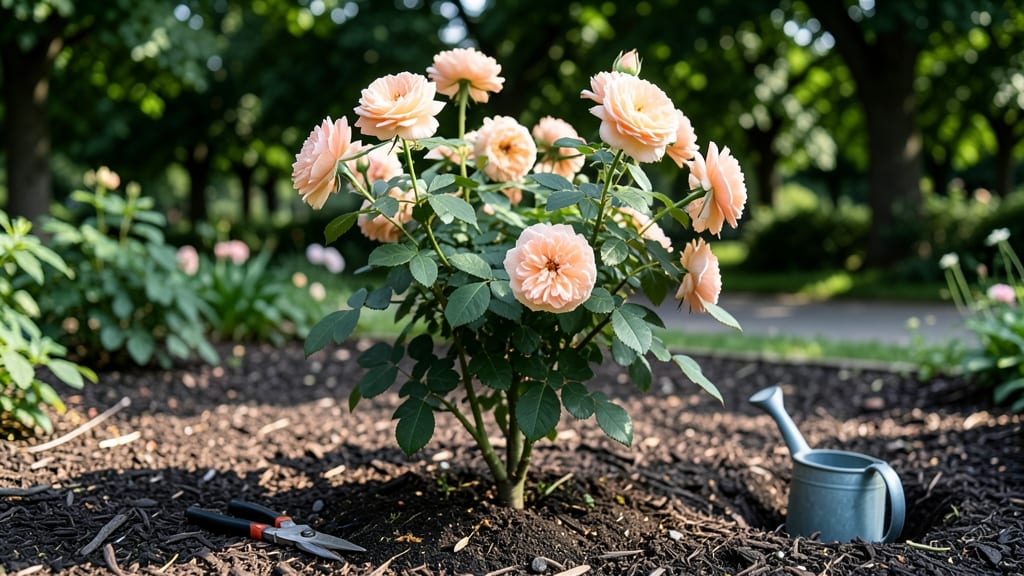
Houston’s summer heat and humidity can turn roses into wilting messes—but David Austin roses thrive here with the right pruning. 🌹 These English roses bloom continuously, filling your garden with old-fashioned fragrance even when temperatures soar.
The key isn’t just when you prune, but how you adapt the technique to Houston’s long, steamy seasons. Most gardeners cut back too late, missing the spring flush of blooms.
I’ve perfected a three-season pruning schedule that keeps my David Austin roses producing fragrant blooms from early spring through fall—no deadheading required. The secret? Light cuts in late winter, strategic shaping in summer, and minimal winter pruning to avoid frost damage.
Your roses will reward you with vibrant, disease-resistant blooms that outperform hybrid teas in this climate. You’ll end up with roses that smell like a country garden, not a chemical-laden store-bought bouquet.
The fragrance lingers in the evening air, and your neighbors will ask how you keep them looking so lush. These roses also make low-maintenance hedges or dramatic borders that handle Houston’s humidity better than most varieties.
Local nurseries like Natives in Motion and The Garden Center at Houston carry David Austin varieties perfect for our climate—just ask for disease-resistant selections like ‘Gertrude Jekyll’ or ‘Munstead Wood’. Here’s the blueprint: prune for airflow, avoid over-trimming, and feed with compost instead of synthetic fertilizers.
Your roses will thank you with year-round blooms that turn your yard into a fragrant oasis. Ready to transform your Houston garden?
📚 In This Guide
- What you need
- Instructions
- Tips and common mistakes
- Wrapping up and next steps
What you need
- ● Pruning shears: Bypass pruners (sharp, sterilized with rubbing alcohol or bleach). Quantity: 1 pair (or 2 for large bushes).
- ● Hand pruners: For smaller cuts (e.g., deadheading). Quantity: 1 pair.
- ● Loppers: For thicker stems (3/4"–1.5" diameter). Quantity: 1 pair.
- ● Disposable gloves: Nitrile or latex-free (to avoid skin irritation from thorns). Quantity: 2–3 pairs.
- ○ Pruning sealant: Optional but highly recommended for Houston’s humidity (e.g., Tanglefoot Tree Wound Pruning Seal). Quantity: Small jar.
- ● Disinfectant: 70% isopropyl alcohol or 10% bleach solution (1 part bleach to 9 parts water). Quantity: Small spray bottle.
- ● Trash bags: Heavy-duty (for debris). Quantity: 2–3.
- ● Garden twine or zip ties: To secure large branches post-pruning (if needed). Quantity: Small roll.
- ● Rake: For clearing fallen leaves/debris post-pruning.
- ● Hose with nozzle: To clean tools and rinse off sap.
- ● Sunscreen & hat: Houston sun is no joke—protect yourself!
- ● Rose fertilizer: Slow-release (e.g., Espoma Rose-Tone) to apply post-pruning.
- ● Camera or notebook: To document your progress (because every pruning session is a win!).
Step-by-step pruning guide for David Austin roses in Houston's humid climate
Here's the method I've perfected to keep David Austin roses thriving through Houston's heat and humidity.
✂️ Step 1: Time Your First Prune for Late Winter
Prune your David Austin roses in late February to early March when the danger of hard freezes has passed but before new growth begins. Houston's mild winters often delay this window until mid-March, so check your local forecast. The goal is to remove dead, diseased, or crossing branches while maintaining the plant's natural shape.
Start by removing any blackened canes from winter damage—these won't recover. Then cut out thin, weak stems growing inward. I like to make my first cuts just above an outward-facing bud, about 1/4 inch above it. This encourages stronger growth patterns and better air circulation, which is critical in Houston's damp air.
🌿 Step 2: Perform the Main Prune After First Bloom
After your roses finish their first flush of blooms—typically late April to early May in Houston—perform your heaviest pruning. Cut back each stem to just above a strong, outward-facing bud, leaving 3-5 buds per stem. This ensures a second bloom cycle while preventing overcrowding.
Here's the thing—David Austin roses respond best to moderate pruning. Avoid aggressive cuts that leave stubs. Instead, make clean cuts at a 45-degree angle about 1/4 inch above the bud. This prevents water from pooling on the cut and reduces disease risk. Remove any suckers (shoots growing from the base) immediately—they drain energy from your main plant.
☀️ Step 3: Light Summer Maintenance for Heat Tolerance
During Houston's summer heat, focus on light maintenance pruning rather than heavy cuts. Remove spent blooms regularly to encourage continuous flowering, but avoid cutting back more than 1/3 of the plant's height. This prevents stress during our intense summer sun.
Watch for yellowing leaves—a sign of fungal issues in our humidity. Prune out any infected foliage immediately, cutting back to healthy green growth. I also thin the center of the plant to improve airflow. You'll see new shoots emerging from the sides within a week, signaling the plant is responding well to the pruning.
⏰ Step 4: Prepare for Winter Dormancy in Late Fall
In November, perform your final prune of the year. Cut back weak, crossing, or damaged stems to 12-18 inches from the ground, leaving 3-4 strong canes. This shape helps the plant withstand Houston's occasional winter chills while maintaining its structure.
Remove all deadheading and fallen leaves from around the base. This prevents fungal spores from overwintering in our damp climate. I like to apply a 2-inch layer of mulch (not listed here but recommended) to insulate roots during cooler nights. The key is to leave the plant upright and open—never prune into a tight center that traps moisture.
🪴 Step 5: Year-Round Care Adjustments
Throughout the year, monitor your roses weekly for signs of stress. In Houston's heat, you'll notice wilting leaves by 10 AM—this is normal. Water deeply once a week (unless we have a heatwave) to encourage deep root growth. Prune out any shoots growing from the graft immediately—they'll produce weak, non-fragrant blooms.
David Austin roses reward precise pruning with prolonged fragrance. The secret is consistency—never let the plant get overgrown between prunes. You'll know you're doing it right when your roses produce continuous blooms from spring through fall, even in Houston's challenging climate.
Tips & tricks for perfect David Austin roses in Houston's humid heat
These insights will help you navigate Houston's unique climate challenges and keep your roses blooming beautifully all year.
Timing is Everything: Houston's unpredictable weather means you need to stay flexible with your pruning schedule. If we experience an unusually warm February, don't wait until mid-March to prune—watch for the first signs of new growth. The key is to prune just before that growth begins, which typically happens when daytime temperatures consistently reach the mid-60s°F. I've learned this the hard way after seeing early growth get damaged by late freezes.
Tool Selection Matters: Invest in a pair of sharp, high-quality bypass pruners for clean cuts. Dull blades crush stems, which creates larger wounds that invite disease—especially problematic in Houston's humidity. I also keep a pair of loppers for thicker stems (over 1/2 inch in diameter) and a small pruning saw for any stubborn branches. Always clean your tools with rubbing alcohol between cuts to prevent spreading any potential pathogens.
Bud Selection Technique: When making your cuts, focus on selecting outward-facing buds to encourage an open, airy growth habit. This is particularly important in Houston's climate where poor air circulation leads to fungal issues. Look for buds that are plump and green—these indicate healthy growth potential. I make a point to avoid buds that are facing inward or downward, as these will create dense growth that traps moisture and promotes disease.
Seasonal Adjustments: During Houston's intense summer months, shift your focus from heavy pruning to maintenance. Instead of cutting back more than 1/3 of the plant's height, concentrate on removing spent blooms and thinning the center to improve airflow. This light approach prevents stress during our hot, humid summers while still encouraging continuous blooming. I've seen roses that were heavily pruned in summer struggle to recover, while those given light maintenance thrived.
Pro Tips for David Austin Roses Houston
- These insights will help you navigate Houston's unique climate challenges and keep your roses blooming beautifully all year.
- Timing is Everything: Houston's unpredictable weather means you need to stay flexible with your pruning schedule.
- Tool Selection Matters: Invest in a pair of sharp, high-quality bypass pruners for clean cuts.
Frequently asked questions
about pruning David Austin Roses in Houston’s humid heat—because even the most elegant roses need a little TLC to thrive!When is the best time to prune David Austin Roses in Houston?
Prune David Austin Roses in Houston twice a year: late winter (February) for shaping and early summer (June) to encourage fall blooms. Avoid pruning during heatwaves or frost—aim for mild, dry days (60–75°F) to minimize stress. Houston’s humidity means pruning too late can invite fungal diseases.
How do I prevent fungal issues after pruning in Houston’s humidity?
Houston’s damp air is a fungal buffet, but you can fight back! Always sterilize tools with rubbing alcohol, avoid overhead watering after pruning, and prune in the morning so cuts dry quickly. Fungicide sprays (like neem oil) applied post-prune add extra protection. Deadhead spent blooms regularly to improve airflow.
What’s the difference between hard and light pruning for David Austin Roses?
Light pruning
(removing only dead/diseased wood) is for spring maintenance or after storms. Hard pruning (cutting back ⅓ of the plant) is for late winter to rejuvenate growth. Houston’s heat demands gentler cuts—over-pruning stresses roses, making them vulnerable to pests. Stick to 15–20% of the plant’s volume per session.
Can I use the same pruning techniques for other roses in Houston?
While David Austin Roses (English roses) share basics with other varieties, Hybrid Teas or Floribundas need more aggressive pruning (up to ⅔ of the plant) for bushier blooms. Climbing roses require structural support pruning to guide growth. Houston’s heat amplifies differences, so research your specific rose type—David Austin’s are more delicate!
What should I do if my David Austin Rose looks stressed after pruning?
Stress signs? Yellow leaves, slow regrowth, or blackened canes mean over-pruning or disease. Act fast:
- Water deeply (1–2 inches per week) but avoid soggy soil.
- Apply balanced fertilizer (10-10-10) to boost recovery.
- Inspect for pests (aphids, spider mites)—Houston’s heat attracts them!
- Mulch around the base to retain moisture and cool roots.
Wrapping up and next steps
Growing David Austin roses in Houston’s humid heat is a rewarding journey—especially when you master the art of pruning for year-round fragrance! 🌹 With the right tools, timing, and techniques, your roses will thrive, blooming lushly even in the toughest conditions.
Remember, consistency is key: prune early, prune often, and keep those canes open for airflow.
Ready to transform your garden? Start by auditing your roses this week—remove dead or weak growth, shape those canes, and give your plants the care they deserve. Before you know it, your Houston garden will be a fragrant paradise! 🌿