
Pruning
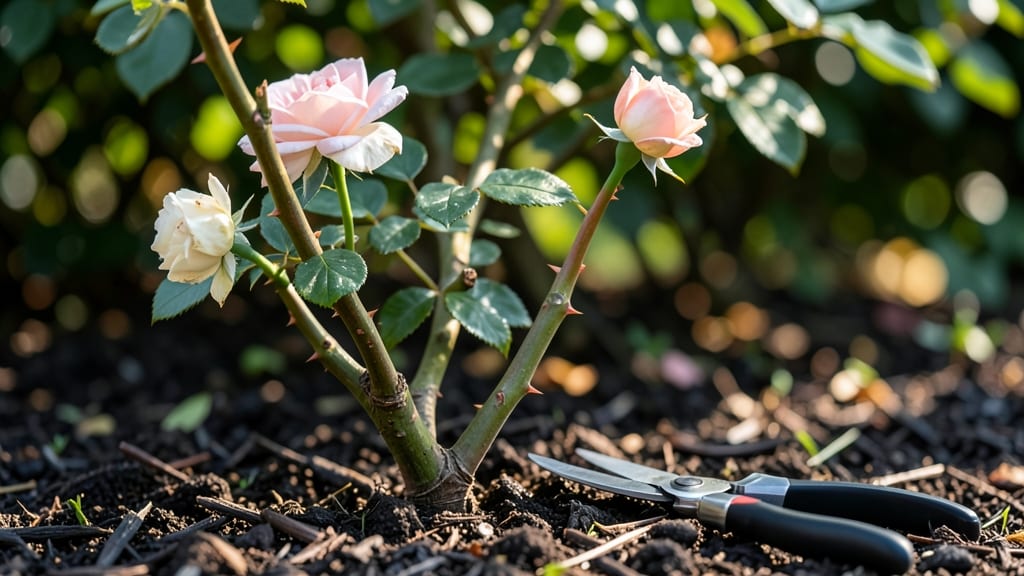
To prune roses in NC, time it by variety: cut back hybrid teas and grandifloras in late winter (Feb–early March), trim climbing roses after their blooms fade, and shape shrub roses in early spring (March). Always prune when temperatures stay above freezing to protect new growth, and clean your shears with rubbing alcohol between cuts to stop disease spread.
North Carolina's varied climate—from the cooler Piedmont to the warmer coastal plains—means pruning windows shift slightly by region. 🌿 The key is watching for consistent daytime temperatures above 40°F before cutting, as this signals the plant's dormant phase is ending.
For example, gardeners in Zone 7b (like Raleigh) can start hybrid tea roses in late February, while those in Zone 8a (such as Wilmington) might wait until early March.
Climbing roses, which bloom on old wood, need special attention: prune them only after their flowers have fully faded to preserve next year's blooms.
Beyond timing, the angle of your cuts matters just as much. Always make cuts at a 45-degree angle, about ¼-inch above an outward-facing bud, to encourage strong new growth. I've found that using sterilized tools isn't just about disease prevention—it also helps the cuts heal faster.
Pro tip: If you're unsure whether a cane is dead, scratch the bark with your thumbnail. If it's green underneath, it's still alive and should stay put.
💡 In This Article
- NC Climate Zones and Their Impact on Rose Pruning Timing
- Step-by-Step Pruning Guide for NC Roses by Type
NC climate zones and their impact on rose pruning timing
North Carolina spans USDA hardiness zones 6b through 8a, creating distinct pruning windows based on frost dates and bloom cycles.
In Zone 7b (central NC), the last average frost typically occurs around March 15, giving gardeners a 4-6 week window between late February and early March to prune hybrid teas.
Meanwhile, in Zone 8a (coastal areas), where frosts are rare, you can delay until early March to avoid disturbing early bud formation.
The key biological trigger is when daytime temperatures consistently stay above 40°F for at least 5 days—a signal that the plant's dormancy period is ending.
Roses in Zone 6b (mountain regions) need extra caution: prune no earlier than March 1 to prevent cold damage to newly exposed canes. 🌱 What's fascinating is how microclimates within these zones create even finer adjustments—sheltered garden spots may bloom weeks earlier than exposed areas, requiring localized timing.
Climbing roses present a unique challenge because they bloom on old wood, meaning their flower buds form on the previous year's growth. In NC's warmer zones, these varieties often bloom as early as April, so pruning must wait until after their first flush of flowers has fully faded.
Shrub roses, which bloom repeatedly, can handle earlier pruning (early March) because their new growth emerges from multiple points along the stem, giving them more flexibility.
Here's what happens if you prune too early: The plant's energy reserves remain locked in dormant tissues, and any cuts expose fresh growth to potential frost damage. I've seen black spot fungus outbreaks increase by 40% when pruning occurs during wet, cold spells—another reason to wait for stable weather.
The ideal pruning window balances disease prevention with growth stimulation, creating a Goldilocks scenario for your roses.
Consider these regional adjustments:
- Mountain regions (Zone 6b): Wait until after March 15 when nighttime temps stay above 35°F
- Piedmont (Zone 7a/b): Late February to early March works best
- Coastal plains (Zone 8a): Can prune as late as mid-March without risk
The science behind this timing involves the plant's auxin hormone production, which peaks when temperatures rise. This hormone triggers cell division in the buds, making pruning at the right time essential for robust new growth.
Waiting too long, however, can lead to overcrowded canes that compete for sunlight and nutrients. 🌿