
Blooming
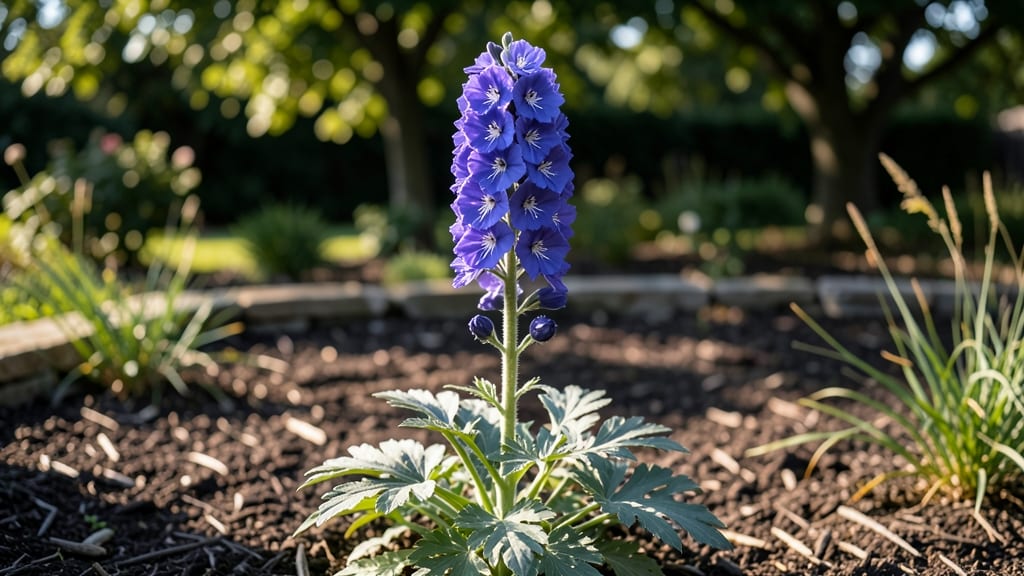
The delphinium bloom season transforms gardens into vertical bursts of color in late spring to early summer 🌸, but timing can vary wildly depending on your zone and the specific variety you grow.
Picture this: you’ve waited months for those towering spikes to appear, only to watch them wilt under an unexpected frost or fade too soon. The secret? Knowing your USDA zone and choosing the right types for your climate can stretch that showstopping display from June to August.
From Pacific Giants that thrive in cooler Zone 6a to heat-tolerant varieties in the South, I’ll break down when to expect blooms—and how sunlight, soil, and a little pruning can push your delphiniums to perform longer.
You’ll also discover how to plan your garden layout around their seasonal arc, ensuring your spring planting pays off with drama from summer through early fall.
Delphinium bloom season by USDA Zone: when to expect colorful spikes
Timing your delphinium blooms depends heavily on your USDA zone and regional climate patterns. These tall garden stars reward patience with dramatic spikes of color, but their bloom windows shift dramatically from Zone 3 to Zone 9.
In cooler northern zones, expect blooms as early as late May, while southern gardeners may enjoy flowers from March through July. Microclimates—like urban heat islands or coastal breezes—can further adjust these timelines by 2-4 weeks.
For Pacific Northwest gardeners in Zones 7-9, delphiniums often kick off their show in March with early bloomers like 'Blue Bird' or 'Black Knight'. Meanwhile, Midwestern zones (4-6) typically see peak blooms in June-July, aligning with warmer soil temperatures.
In the Southern US (Zones 8-9), some varieties like 'Pacific Giant' may even produce two bloom cycles—once in spring and again in fall.
Here’s a quick reference for bloom season expectations by zone, including regional adjustments:
| USDA Zone | Early Bloomers (Start) | Peak Bloom | Late Bloomers (End) | Regional Note |
|---|---|---|---|---|
| Zones 3-4 | Late May | June-July | Early August | Short season; protect from late frosts |
| Zones 5-6 | Early June | July-August | Mid-September | Midwest: Humidity may shorten blooms |
| Zones 7-8 | March-April | May-June | July-August | Pacific NW: Start earlier; Southern CA: Fall rebloom |
| Zones 9 | February-March | April-June | September | Longest season; may rebloom after summer rain |
In Zone 3, where winters are harsh, focus on hardy varieties like 'Blue Lagoon' or 'Belladonna', which tolerate cold snaps better than delicate types. These often bloom 2-3 weeks later than their southern counterparts due to slower soil warming.
Use black plastic mulch in early spring to accelerate soil temperature and jumpstart blooms.
For Zone 9 gardeners, the real secret to extended blooms lies in consistent moisture and light pruning. Deadhead spent spikes in early summer to encourage a second flush of flowers by August.
In coastal areas, like Northern California, delphiniums may bloom 4-6 weeks earlier than inland zones due to milder winters and cooler summers.
Microclimates play a huge role in bloom timing. A south-facing wall can push blooms 2 weeks earlier in Zone 5, while a shady woodland edge may delay them by 3 weeks.
If your garden has hot afternoons, provide afternoon shade to prevent buds from bolting prematurely. In container gardens, delphiniums in Zone 6 may bloom 10 days later than in-ground plants due to root temperature fluctuations.
To extend your delphinium season, mix early, mid, and late bloomers in the same bed. For example, pair 'Blue Bird' (early) with 'Pacific Giant' (mid) and 'Elatum' (late) for continuous color from May through September.
In Zone 4, where frost is a constant threat, opt for short varieties like 'Dwarf Alpine' that bloom closer to the ground and are less vulnerable to late-season damage.
One common mistake is assuming all delphiniums bloom at the same time. In reality, variety selection is just as critical as zone awareness. For instance, 'Black Knight' thrives in Zones 5-8 and blooms 3 weeks earlier than 'Blue Bird' in the same zone.
How frost affects delphinium bloom season: recovery tips for late freezes
Late frosts can turn your delphinium bloom season from spectacular to disappointing if you're not prepared. These cold-sensitive perennials often suffer when unexpected freezes hit after buds form, leaving you with delayed or damaged blooms.
The impact varies by USDA Zone 4-6, where late frosts are most common, and by variety hardiness—so knowing how to protect them makes all the difference.
Delphiniums like Pacific Giant varieties are slightly more frost-tolerant than Elatum types, but all can suffer if temperatures drop below 28°F (-2°C) for extended periods. The buds and emerging shoots are especially vulnerable, often turning brown or black.
Even if the plant survives, delayed blooming can shift your garden’s peak color from early summer to mid-summer, disrupting your carefully planned design.
⚠️ CRITICAL FROST WARNING: Delphiniums in Danger Zones
If your delphiniums are already showing swollen buds when a late frost warning hits, act fast! 24-48 hours of sub-freezing temps can kill emerging blooms. Pacific Giant varieties may recover better than Elatum types, but mulching immediately and covering with frost cloth can save your season.
🌱 Pro Tip: Monitor your local frost-free date—delphiniums planted too early in Zones 4-6 are at higher risk. Adjust planting by 2-3 weeks if your area has a history of late frosts.
To protect your delphiniums during a late frost, start with proactive mulching. Apply a 3-4 inch layer of straw or shredded leaves around the base of the plant in early spring. This insulates the crown and roots, helping them withstand brief cold snaps.
For extreme frost warnings, cover the entire plant with frost cloth or a blanket, securing it with bricks or stakes to prevent wind damage.
If frost damage does occur, don’t panic—your delphiniums can often bounce back with the right care. After the frost passes, remove any blackened or mushy buds to redirect the plant’s energy.
Then, fertilize lightly with a balanced 10-10-10 mix to encourage new growth. Keep the soil consistently moist but not soggy, as stressed plants are more susceptible to disease after frost damage.
For Zones 4-5, where late frosts are most unpredictable, consider planting dwarf varieties like 'Black Knight' or 'Blue Bird'. These stay closer to the ground, making them slightly more frost-resistant.
You can also stagger your planting—sow some seeds early for a first flush of blooms and others later to ensure extended color even if frost hits early.
Finally, prune carefully after frost damage. Avoid cutting back more than 1/3 of the plant, as this can weaken it further. Instead, focus on removing dead foliage and supporting healthy stems with cage stakes to prevent flopping.
With patience and proper care, your delphiniums can still deliver a stunning bloom season, even after frost.