
Blooming
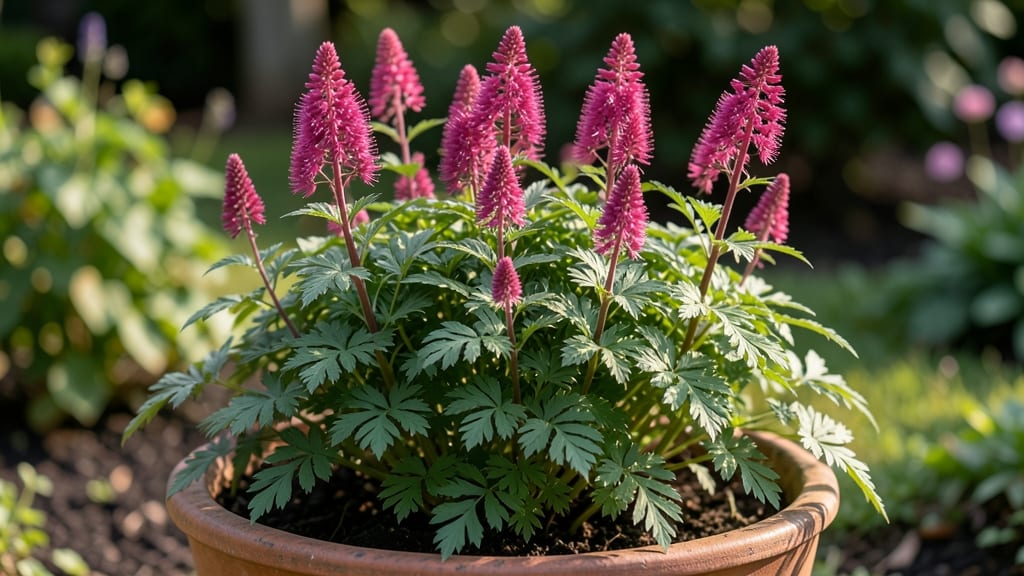
Astilbe don't bloom all summer—they produce vibrant flowers for about 4 to 6 weeks, peaking in late spring to early summer. While careful pruning and maintenance can coax a few extra weeks of color, they're not designed for continuous summer-long blooms.
Astilbe's bloom cycle is actually quite short compared to many perennials, with most varieties flowering for just 4-6 weeks during their peak season. 🌸 The timing depends heavily on your climate zone—cooler regions often see earlier blooms, while warmer areas might experience a delayed but slightly extended display.
What's fascinating is how these plants respond to temperature shifts; once summer heat arrives, they naturally shift focus from flowering to seed production, which is why you won't see continuous color throughout the season.
For gardeners hoping to stretch that colorful window, strategic pruning after the first bloom cycle can sometimes trigger a second, smaller flush of flowers. I've found that removing spent blooms regularly and keeping the soil consistently moist makes a noticeable difference in how long the plants continue producing fresh buds.
The key is balancing maintenance with the plant's natural rhythms—push too hard, and you might stress the foliage rather than extend the blooms.
💡 In This Article
- Understanding Astilbe Bloom Duration and Seasonal Patterns
- Extending Astilbe Blooms: Pruning, Deadheading, and Care Tips
Understanding astilbe bloom duration and seasonal patterns
Astilbe's flowering cycle is governed by a delicate balance of environmental triggers, primarily daylight hours and temperature. These plants are day-neutral but highly sensitive to seasonal changes—once temperatures consistently exceed 75°F, they shift from flowering to seed production.
This biological shift explains why most astilbe varieties bloom for just 4-6 weeks, with peak color appearing between late May and early July in most temperate zones.
The plant's response to daylight follows a photoperiodic pattern: shorter days in early summer signal the end of the primary bloom cycle. In cooler climates (USDA zones 3-5), blooms often appear 2-3 weeks earlier than in warmer zones (6-8), where heat delays initial flowering but may extend the season slightly.
For example, 'Fanal' astilbe typically blooms 1-2 weeks later than 'Bridal Veil' in the same location due to its slightly later sensitivity to temperature cues.
What makes astilbe unique is their secondary bloom potential—some varieties like 'Deutschland' can produce a smaller second flush if given proper care. This occurs because the plant retains some floral buds that remain dormant until stimulated by specific conditions: consistent moisture and moderate temperatures (below 80°F).
The trade-off? These secondary blooms are usually 30-50% smaller and less vibrant than the initial display.
Climate plays a surprising role in bloom longevity. In humid continental climates, astilbe often bloom 1-2 weeks longer than in arid regions because consistent moisture prevents stress-induced dormancy.
The plant's native habitat in Japan's mountainous regions explains this moisture sensitivity—wild astilbe thrive in damp, shaded conditions that mimic their natural environment.
For gardeners in Zone 9 and warmer, the challenge is different: extreme heat (>90°F) can cause buds to abort before opening. I've observed that providing afternoon shade during peak summer months can extend the bloom window by 10-14 days—this simple adjustment mimics the plant's preferred cooler, shaded conditions.
The visual difference between early and late-season varieties is striking. Early bloomers like 'Amethyst Falls' produce deep purple plumes that fade to lavender as they age, while late varieties like 'Glut' maintain their bright pink color longer but with slightly less intensity.
This color evolution is a natural part of the plant's reproductive strategy—once pollination occurs, energy shifts from vibrant blooms to seed development.