
Blooming
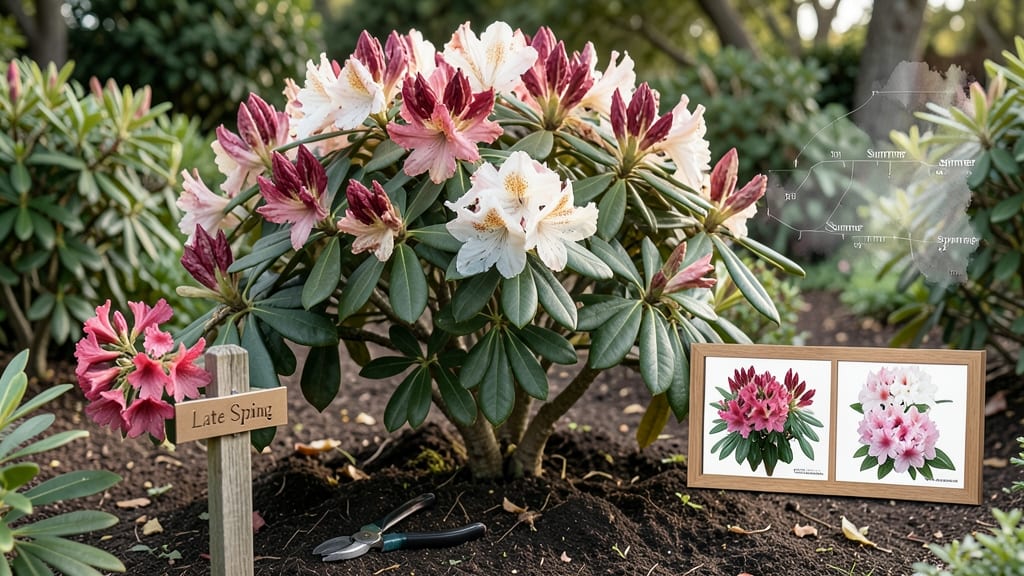
Do azaleas bloom more than once? Yes, but only specific reblooming varieties—like the 'Encore' or 'Bloom-a-Thon' series—produce multiple flower flushes per season when given proper care, including precise pruning, fertilization, and moisture control.
Most azalea varieties bloom just once per year, typically in spring, but reblooming types are genetically bred to produce two or even three flower cycles—usually spring, summer, and sometimes fall. 🌸 The key difference lies in their growth habits: single-bloom azaleas set buds on old wood (last year's growth), while rebloomers develop new buds on current season's growth, requiring careful pruning after each bloom cycle.
Without proper care, even reblooming varieties may revert to single-flowering behavior, which is why consistent moisture, balanced fertilization, and strategic trimming make all the difference.
For example, the 'Encore' series is specifically designed to handle this extra workload, but they demand acidic soil (pH 4.5-6.0) and protection from extreme heat or cold.
I've seen gardeners achieve stunning summer reblooms by fertilizing with azalea-specific formulas every 6-8 weeks and avoiding heavy pruning until after each bloom cycle finishes.
💡 In This Article
- How Reblooming Azaleas Differ From Single-Bloom Types
- Step-by-Step Care Guide for Encouraging Azalea Reblooming
How reblooming azaleas differ from single-bloom types
The core difference between reblooming azaleas and their single-bloom cousins lies in their bud formation process. Single-bloom varieties like Kurume azaleas set flower buds on old wood—last year's growth—during late summer or early fall.
These buds remain dormant through winter and bloom once in spring, then die back completely. Reblooming types, however, produce buds on current season's growth, allowing them to generate multiple flushes when conditions are ideal. 🌿
Genetically, rebloomers like the 'Bloom-a-Thon' series have been selectively bred to maintain a balance between vegetative growth and flower production. This means they allocate energy to both leaf development and bud formation simultaneously, rather than focusing all resources on one bloom cycle.
The trade-off? They require more precise care—particularly in soil pH (4.5-6.0), consistent moisture, and protection from temperature extremes. For instance, a soil pH above 6.5 can lock out essential nutrients like iron and phosphorus, stunting both growth and flowering.
The flowering cycle of rebloomers follows a distinct pattern: spring bloom, summer dormancy (if conditions aren't perfect), and potential fall rebloom. Single-bloomers skip these extra steps entirely.
What makes this possible is the plant's ability to photosynthesize continuously—rebloomers maintain active foliage throughout the season, while single-bloomers often enter semi-dormancy after their spring display. This explains why rebloomers need 6-8 hours of morning sun but protection from afternoon heat, which can stress the plant.
Consider the 'Encore' series as a prime example: these hybrids were developed specifically to handle the energy demands of multiple blooms. Their leaves contain higher concentrations of chlorophyll b, which improves light absorption during shorter summer days.
However, this efficiency comes with a catch—rebloomers are more sensitive to root competition from weeds or overcrowded plantings, which can divert energy away from bud formation. 🌸
Another critical factor is the plant's hormonal regulation. Single-bloomers naturally produce higher levels of abscisic acid after their spring bloom, triggering dormancy. Rebloomers have been bred to produce lower levels of this hormone, allowing them to remain active longer.
This is why improper pruning—like cutting back too aggressively after the first bloom—can signal the plant to enter dormancy prematurely, halting any chance of reblooming.
For gardeners, understanding these differences translates directly to care practices. Rebloomers need monthly fertilization with acid-loving formulas (like those containing 10-10-10 NPK with sulfur) to maintain their energy reserves, while single-bloomers can thrive with a single spring feeding.
The same goes for watering: rebloomers require 1-1.5 inches of water per week during bloom periods, while single-bloomers are more drought-tolerant once established.