
Blooming
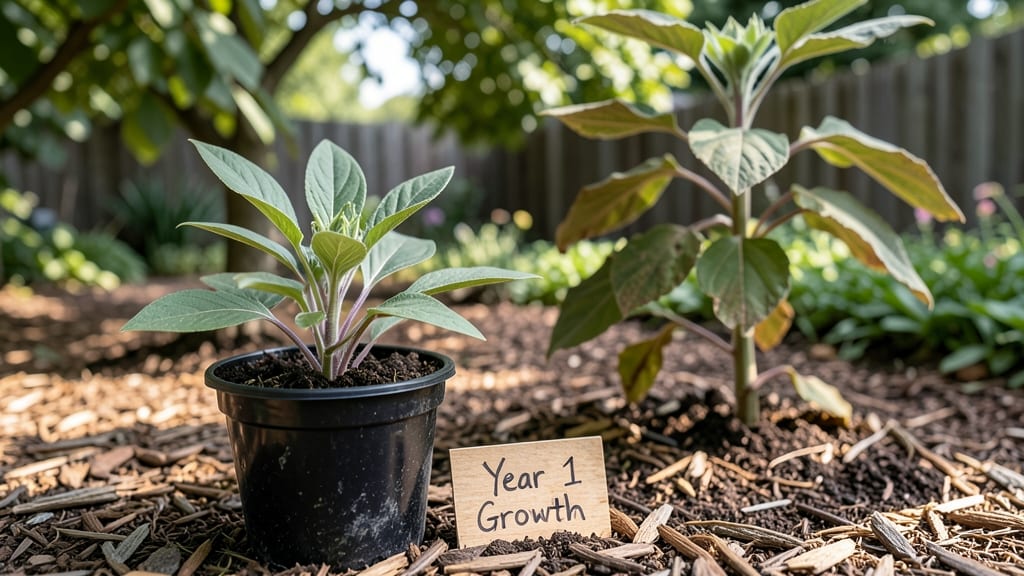
Black-eyed Susans typically do not bloom the first year after planting, as they focus energy on establishing roots and foliage before producing flowers in their second year under ideal conditions. Patience and proper care maximize early flowering potential.
Black-eyed Susans prioritize root development during their first growing season, a survival strategy that ensures stronger plants for future blooms. 🌱 This biennial growth pattern means nursery-grown plants (with established roots) may produce sporadic flowers in their first year, while seed-started plants rarely bloom until year two.
Proper soil nutrition—especially phosphorus for flowering—can help coax earlier blooms, but rushing the process often weakens the plant's long-term health.
For gardeners eager to see color sooner, I recommend transplanting well-established nursery plants rather than starting from seed. These plants already have a head start on root development, giving them a better chance to produce flowers in their first season.
Just be prepared for smaller, less vigorous blooms compared to fully mature plants.
💡 In This Article
- Why Black-Eyed Susans Delay Flowering in Their First Year
- Tips to Encourage Earlier Black-Eyed Susan Blooms
Why black-eyed Susans delay flowering in their first year
Black-eyed Susans (Rudbeckia hirta) follow a biennial growth pattern, meaning they prioritize root and foliage development in their first year to build energy reserves for flowering.
This strategy is rooted in survival biology—plants allocate up to 70% of their energy to establishing a deep, stable root system before diverting resources to flower production. 🌱 The roots grow aggressively to access water and nutrients, while the plant stores carbohydrates in its stems and leaves, creating a "bank" for future blooms.
The timing of flowering depends heavily on environmental conditions. In cooler climates (USDA zones 3-6), black-eyed Susans often wait until their second year because the shorter growing season limits their ability to store enough energy.
Warmer zones (7-9) may see some flowering in the first year, but only if the plant receives consistent 6-8 hours of sunlight daily and well-draining soil with adequate phosphorus (0.1% phosphorus by weight in the soil promotes flowering).
Temperature also plays a role—plants exposed to 50-60°F nighttime temperatures for at least 4-6 weeks trigger the hormonal shift needed for bud formation.
What most gardeners don't realize is that black-eyed Susans are sensitive to stress during their first year. Overwatering or poor soil can stunt root growth, delaying flowering by up to 6-12 months. The plant's natural defense mechanism is to delay reproduction until it's physically capable of supporting it.
This is why nursery-grown plants (with pre-established roots) sometimes produce a few flowers in their first year—those roots already have the energy reserves to support limited blooming.
Light quality matters too. Black-eyed Susans respond best to full-spectrum sunlight, particularly in the blue and red wavelengths (400-500nm and 600-700nm), which drive photosynthesis and flower initiation. Shady conditions force the plant to focus solely on leaf growth, pushing back flowering by an entire season.
Even partial shade can reduce bloom potential by 30-40%, as the plant diverts energy to compensate for lower light levels.
Consider this comparison: A seed-started black-eyed Susan may take 12-18 months to reach full bloom potential, while a nursery plant with a 6-inch root ball could flower in as little as 8-10 months under ideal conditions.
The difference lies in the plant's energy reserves—nursery plants skip the early root-building phase, allowing them to allocate resources to flowers sooner. 💡
For gardeners in impatient to see results, the key takeaway is this: Pushing a black-eyed Susan to bloom early by over-fertilizing or stressing the plant can backfire, resulting in weak stems and fewer blooms in subsequent years.
The plant's natural timing ensures the most vibrant, long-lasting flowers when it finally decides to bloom.