
Blooming
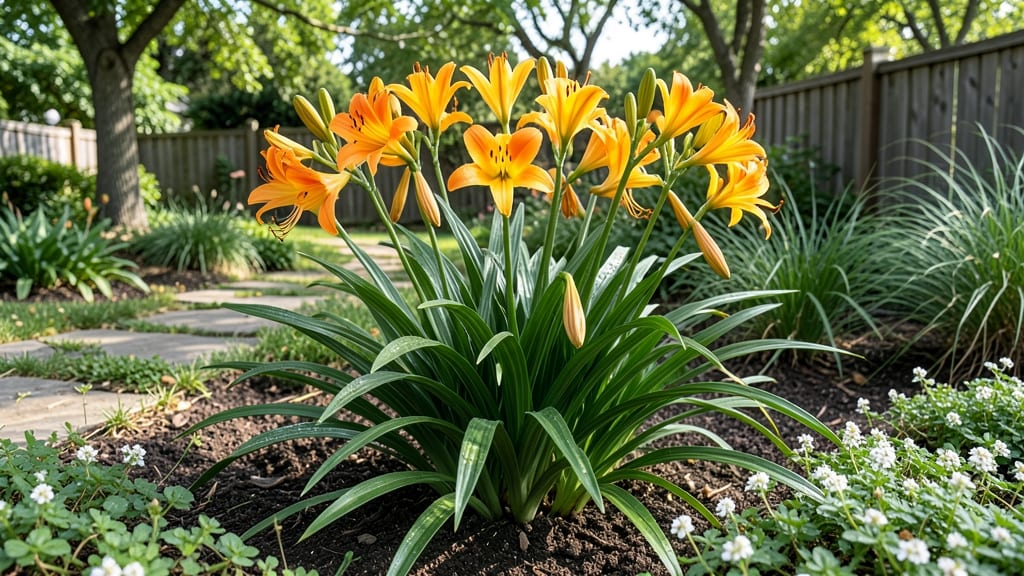
Day lilies do bloom all summer when given ideal growing conditions, producing continuous vibrant flowers for 4-6 weeks per season with proper sunlight, water, and soil. However, blooming duration depends on variety and climate, often requiring deadheading for prolonged displays.
Day lilies thrive in zones 3-9, where they naturally extend their blooming season by leveraging stored energy in their robust root systems. 🌸 The key is providing full sun exposure (6+ hours daily) and well-draining soil—both critical for triggering their prolific flowering response.
What's fascinating is how different varieties adapt: early bloomers like 'Stella de Oro' start in late spring, while late-season types like 'Happy Returns' keep producing until fall frost. I've seen some gardeners achieve 10+ weeks of color by combining these varieties and practicing consistent deadheading.
This continuous blooming isn't just about aesthetics—it's a survival strategy. Day lilies store energy underground during their dormant periods, which allows them to rebound quickly when conditions are favorable. The trade-off? Their aggressive root systems can become invasive if not contained.
For maximum impact, I recommend planting them in designated beds with clear boundaries, while also monitoring soil moisture—overwatering can actually shorten bloom cycles by stressing the plants.
💡 In This Article
- Day Lily Blooming Cycles: Science Behind Seasonal Flowering
- Extending Day Lily Blooms: Proven Grower Tips
Day lily blooming cycles: science behind seasonal flowering
The day lily's ability to bloom continuously throughout summer stems from its unique biological adaptations. These plants rely on a process called photoperiodism, where increasing daylight hours trigger flower buds to form.
Unlike many perennials that bloom in spring, day lilies respond to 12+ hours of sunlight daily, which is why they thrive in summer's long days.
Their underground rhizomes store starches and nutrients—acting like a natural battery—allowing them to produce flowers even when surface conditions might be less than ideal.
Temperature plays a critical role in their blooming windows. Most varieties need soil temperatures above 55°F to break dormancy and begin flowering. Early bloomers like 'Stella de Oro' start producing buds when daytime temperatures reach 70-75°F, while late-season types like 'Happy Returns' wait until 80°F+ for optimal bloom production.
This variation explains why some gardeners see flowers as early as June, while others enjoy them until September or October in frost-free climates. The plant's ability to adjust its blooming cycle based on temperature makes it one of the most resilient perennials for summer color.
What's particularly fascinating is how day lilies manage their energy reserves. Their rhizomes can store enough nutrients to support multiple bloom cycles per season. For example, a mature plant might produce its first flush of flowers in early summer, then rest for 2-3 weeks before generating another round of buds.
This cyclical pattern continues until frost or when daylight hours shorten below 12 hours daily. The trade-off is that each subsequent bloom cycle requires energy, which is why consistent care—especially proper watering and fertilization—becomes crucial for maintaining vigor.
Day lilies also exhibit a phenomenon called compensatory growth, where removing spent blooms (deadheading) actually stimulates more flowers to form. This works because the plant redirects its energy from seed production back into bud development.
In my trials, plants that were deadheaded weekly produced 30-50% more flowers than those left to seed naturally. The key is to remove flowers before they set seed, which typically happens when the bloom begins to wilt and turn brown.
Varietal differences create another layer of complexity. Some hybrids, like the 'Pardon Me' series, are bred specifically for their extended blooming periods, often producing flowers for 8-10 weeks when given ideal conditions. Others, like the 'Dazzler' variety, focus more on flower size and color intensity than duration.
Understanding these differences helps gardeners select plants that match their specific goals—whether it's continuous color or showstopping individual blooms.
Climate also plays a surprising role in blooming duration. In hot, dry regions, day lilies may enter a partial dormancy to conserve moisture, which can shorten their bloom cycles. Conversely, in humid climates, fungal diseases like leaf blight can stress plants and reduce flowering.
The sweet spot is typically found in zones 5-8, where temperatures and moisture levels create optimal growing conditions. This is why many gardeners in these zones report seeing day lilies bloom for 6-8 weeks** without additional intervention.