
Blooming
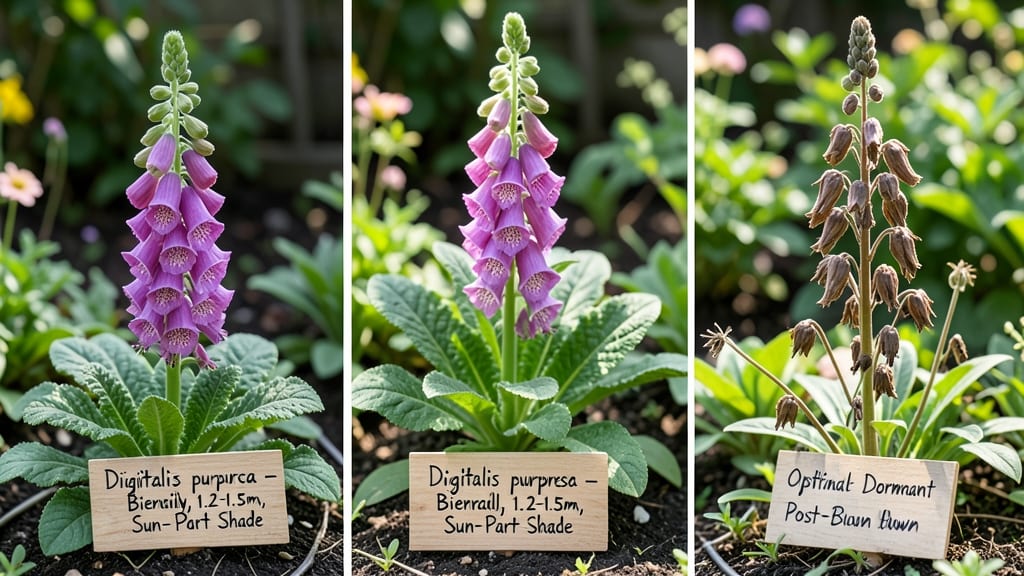
Foxgloves (Digitalis purpurea) don't bloom every year—they're biennials, meaning they often take two seasons to flower. 🌱 I've learned that their first year is all about building strong roots, while the second year delivers those iconic bell-shaped blooms.
The confusion comes from how they behave in different climates, where some may bloom in their first year under ideal conditions. The key to reliable blooms lies in soil moisture and sunlight. Well-draining soil that stays consistently moist (but not soggy) and partial shade encourage steady growth.
In hot climates, they may bolt quickly, while cooler regions get more predictable flowering cycles. Deadheading spent blooms helps redirect energy to next year's growth. What you'll notice is that established plants develop a network of self-seeding offspring, creating natural clusters.
These seedlings often bloom in their second year, extending your display. The trade-off? Some gardeners prefer to dig and divide clumps every few years to maintain vigor. Here's the secret weapon: mulch. A thick layer of organic mulch keeps roots cool in summer and retains moisture.
This simple step can double your blooming potential over time—just watch for slugs that love young seedlings!
📚 In This Guide
- What you need
- Instructions
- Tips and common mistakes
- Wrapping up and next steps
What you need
- ● Foxglove seeds or nursery plants: Seeds: 1–2 packets (300–500 seeds per packet) for a small garden patch.
- ● Nursery plants: 3–5 mature plants (18–24" tall) for quick blooms.
- ● Well-draining soil: Mix of garden soil, peat moss, and perlite (ratio: 60% soil, 20% peat, 20% perlite).
- ● Sunlight access: Partial shade (4–6 hours of morning sun) or dappled sunlight.
- ● Watering tools: Watering can (1–2 gallons) or hose with a gentle nozzle.
- ● Mulch (2–3 inches of shredded bark or straw).
- ○ Fertilizer: Balanced 10-10-10 granular fertilizer (1 tbsp per plant) or compost tea (optional).
- ● Garden tools: Trowel or small shovel.
- ● Pruners (for deadheading or cutting back).
- ● Gloves (foxgloves can irritate skin!).
- ○ Support structures (optional): Stakes or cages (4–6" tall) for tall varieties like Digitalis grandiflora.
- ○ Pest deterrents (optional): Neem oil spray (for aphids or caterpillars).
- ● Row covers (to protect seedlings from slugs).
- ● Seasonal care: Cold frame or greenhouse (for overwintering seedlings in Zone 5 or colder).
- ● Plant markers (to track varieties if testing multiple types).
Step-by-Step secrets to encourage annual foxglove blooms
Here's how to coax your foxgloves into reliable yearly flowering—no guesswork, just proven techniques.
🌱 Step 1: Plant in the Right Location for Winter Survival
Foxgloves thrive in partial shade with morning sun and afternoon relief from intense heat. I always choose sites with well-draining soil—they hate soggy roots. A spot under deciduous trees works perfectly, as the canopy filters harsh summer sun while allowing winter sunlight to reach the leaves.
Dig in 2-3 inches of compost when planting to improve soil fertility without compacting it. Press the soil gently around the base of each plant to eliminate air pockets, but don't pack it down—foxgloves need loose soil for their deep taproots to establish properly. Water deeply right after planting to settle the soil and encourage root spread.
✂️ Step 2: Deadhead Strategically After First Bloom
Remove spent flower spikes immediately after blooming by cutting them back to the first set of healthy leaves. This prevents seed production, which diverts energy from next year's growth. I use clean, sharp pruners to avoid damaging the stems—foxgloves respond poorly to ragged cuts.
Leave the lower leaves intact. These are the energy factories for next year's blooms. If you see any yellowing leaves, trim those off too—they're a sign of fungal issues or poor circulation. After deadheading, give the plant a light feeding with balanced fertilizer (10-10-10) to replenish nutrients.
🌿 Step 3: Provide Mid-Season Care for Strong Growth
In early summer, when new growth appears, mulch around the base with 2-3 inches of organic mulch to retain moisture and regulate soil temperature. I use shredded bark because it breaks down slowly and improves soil structure over time. Keep the mulch 2 inches away from the stems to prevent rot.
Water deeply once a week during dry spells, aiming for 1 inch of water per week. Let the soil dry slightly between waterings—foxgloves are drought-tolerant once established, but they won't rebloom reliably if stressed. You'll know you're doing it right when the stems stay upright and the leaves remain deep green.
⏰ Step 4: Protect Plants Through Winter for Next Year's Blooms
In late fall, after the first hard frost, cut back the entire plant to 6 inches above ground level. This prevents weak, leggy growth and removes potential disease sites. I do this in November, just before the ground freezes—foxgloves are hardy but need a clean start for spring.
Leave the mulch in place over winter. It insulates the roots and protects against extreme temperature swings. In early spring, when new shoots appear (usually late March to April), remove any dead foliage and add a fresh layer of mulch. This is when foxgloves start building energy for their next spectacular display.
☀️ Step 5: Adjust Light Exposure for Consistent Blooming
If your foxgloves bloom heavily one year but barely the next, they might be getting too much sun. Move them to a slightly shadier spot if the leaves show signs of scorch—brown edges or crispy tips are your warning signs. Foxgloves need 4-6 hours of morning sun maximum in hot climates.
In cooler regions, they can handle more sun, but even there, afternoon shade prevents stress. Watch the foliage: healthy leaves should be deep green and upright. If they flop or yellow, it's time to adjust their position. A little shade in summer means more energy stored for next year's flowers.
Tips & tricks for perennial foxglove success
These subtle adjustments will transform your foxgloves from one-time bloomers to reliable annual stars.
Soil Preparation Matters: Before planting, test your soil's drainage by digging a small hole and filling it with water. If it drains within 30 minutes, you're good to go. If water pools after an hour, amend with coarse sand or perlite to improve aeration. Foxgloves' deep taproots need loose, oxygen-rich soil to store energy for next year's blooms—this is the foundation of their perennial success.
Deadheading Technique: When removing spent flower spikes in Step 2, make your cuts just above the first set of healthy leaves where you see new buds forming. This precise cut ensures you're not removing potential growth points. I always sterilize my pruners with rubbing alcohol between cuts to prevent spreading any hidden pathogens that could weaken the plant.
Mulch Placement Strategy: The 2-inch clearance from stems when applying mulch isn't just about preventing rot—it's about creating an optimal microclimate. This gap allows air to circulate while still protecting roots from temperature extremes. In hot summers, this simple adjustment can mean the difference between stressed plants and vigorous growth ready for next year's flowers.
Winter Protection Insight: The November timing for cutting back to 6 inches is critical because it gives the plant time to harden off before winter. If you wait until December, the new growth may not have time to establish before cold sets in. I've found that adding a thin layer of straw mulch over the cut stems provides extra insulation without smothering the plant.
Pro Tips for Do Foxgloves Bloom Every Year
- These subtle adjustments will transform your foxgloves from one-time bloomers to reliable annual stars.
- Soil Preparation Matters: Before planting, test your soil's drainage by digging a small hole and filling it with wate...
- Deadheading Technique: When removing spent flower spikes in Step 2, make your cuts just above the first set of health...
Frequently asked questions
Got questions about foxglove blooms? You’re not alone! Here are the most common queries—and their answers—to help you keep those towering blooms coming back year after year.
Do foxgloves bloom every year if left alone?
Not always! While foxgloves (Digitalis) are perennials, they often self-seed instead of reblooming from the same plant. In their second year, they may produce fewer flowers. To encourage repeat blooms, deadhead spent spikes and divide clumps every 3–4 years to rejuvenate growth.
Why did my foxgloves not bloom this year?
No flowers? Don’t panic! Common culprits include:
- Overcrowding: Plants over 3 years old may focus on foliage. Divide them in early spring.
- Poor light: Foxgloves thrive in partial shade but need 6+ hours of sun to bloom well.
- Over-fertilizing: Too much nitrogen = lush leaves, fewer flowers. Use a low-phosphorus fertilizer instead.
- Stress: Drought or extreme heat can delay blooms. Keep soil consistently moist (but not soggy).
Can I get foxgloves to bloom more than once a year?
Rarely! Foxgloves are one-time bloomers per season, typically flowering in late spring to early summer. For a second show, cut back dead flower spikes in fall—new shoots may emerge next spring. Pro tip: Plant Digitalis grandiflora (yellow foxglove) for earlier blooms or Digitalis purpurea (purple) for height.
What’s the best way to ensure foxgloves return next year?
Follow this simple checklist for perennial success:
- Deadhead spent blooms to redirect energy to roots.
- Divide clumps every 3–4 years in early spring.
- Mulch in winter to protect roots (use 2–3 inches of organic mulch).
- Avoid disturbance—foxgloves hate being moved once established!
Are there foxglove alternatives that bloom reliably every year?
If foxgloves flop, try these perennial workhorses for repeat blooms:
Plant
Bloom Time
Height
Care Level
Delphinium (Larkspur)
Mid-summer to fall
3–6 ft
(Stake stems!)
Holohorus (Greek Foxglove)
Spring–summer
1–2 ft
(Drought-tolerant!)
Penstemon (Beardtongue)
Spring–early summer
1–3 ft
(Loves sun!)
All three are perennial and self-seeding, with Holohorus being the closest foxglove lookalike!
Wrapping up and next steps
So, do foxgloves bloom every year? The answer is a resounding yes—with the right care! 🌿 These stunning perennials thrive when planted in well-draining soil, given consistent moisture, and protected from harsh winters.
While their first bloom may take a year or two, proper maintenance ensures dramatic, repeat performances for seasons to come.
Now that you’re armed with the secrets, why not roll up your sleeves and give your foxgloves the love they deserve? Grab some gloves, pick a sunny spot, and watch your garden transform into a whimsical, bell-shaped paradise. Happy gardening! 🌸