
Blooming
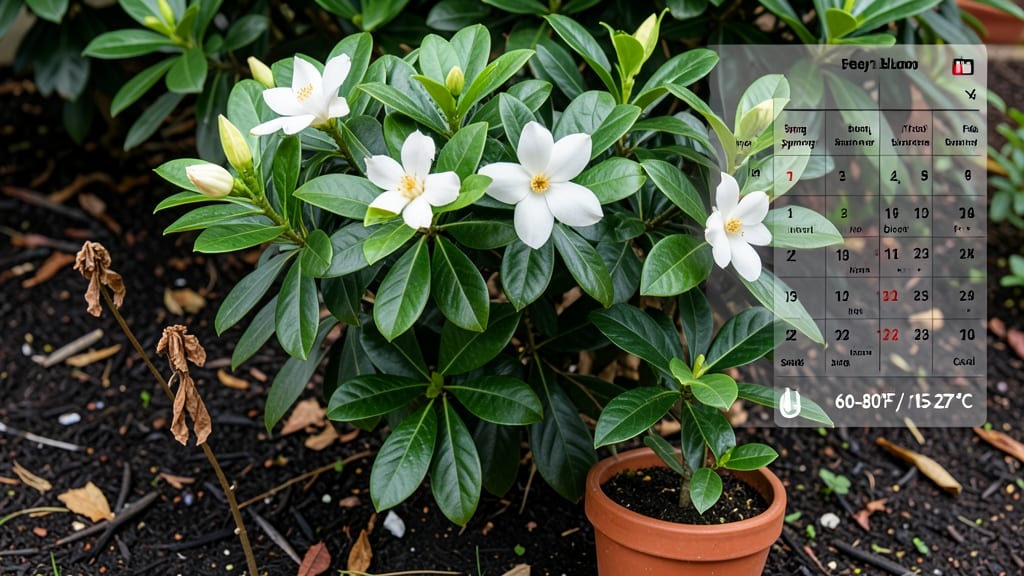
Gardenias do not bloom all year naturally—they follow seasonal cycles, typically flowering spring through summer in temperate climates, with dormancy in cooler months. Proper care can extend blooms slightly, but year-round flowering requires controlled environments like greenhouses.
Gardenias are sensitive to their environment, and their natural blooming patterns are tied to daylight hours and temperature shifts. 🌸 In warmer climates like Florida or Hawaii, they may bloom year-round, but even there, they often take short breaks during extreme heat or humidity.
The key to encouraging longer blooms lies in mimicking their natural preferences—think bright, indirect light and consistent moisture without soggy soil. I've found that gardeners in cooler zones can push blooms into early fall by providing afternoon shade during summer's peak heat.
What's fascinating is how these plants use their dormancy periods to recharge. During cooler months, gardenias focus energy on root and foliage growth rather than flowers, setting the stage for their next big bloom.
This biological rhythm is why forcing year-round blooms often results in weaker flowers or stressed plants. For the best results, I recommend focusing on seasonal care rather than fighting nature's cycle.
💡 In This Article
- Gardenia Blooming Seasons by Climate Zone
- How to Encourage Longer Gardenia Blooms
Gardenia blooming seasons by climate Zone
Gardenias are tropical shrubs that evolved in Southeast Asia, where they experience distinct wet and dry seasons. This natural rhythm translates to their blooming patterns—typically triggered by temperature shifts and daylight hours.
In USDA Zone 10-11 (tropical climates like Florida or Hawaii), gardenias may bloom year-round, but even there, they often pause during extreme heat (>95°F) or high humidity (>80%) to conserve energy. The key difference? Tropical gardenias respond to seasonal rainfall patterns rather than temperature drops.
In USDA Zones 8-9 (coastal California, southern Texas), gardenias bloom from early spring to late summer, with peak flowering between May and July. Here, they rely on 12-14 hours of daylight and soil temperatures above 60°F to trigger bud formation.
What's fascinating is their dormancy period: as days shorten and temperatures dip below 55°F, they redirect energy to root growth, storing nutrients for next year's blooms. This is why gardenias in Zone 9 often bloom 2-3 weeks later than those in Zone 10.
Northern gardeners in Zones 7 and below face bigger challenges—most gardenias won't survive winter outdoors without protection. However, those in Zone 7b+ (like Atlanta or Dallas) may produce one late-spring bloom cycle if planted in sheltered microclimates (e.g., against south-facing walls).
The critical threshold is 20°F: any colder, and the plant's cells rupture from ice crystal formation. This is why container-grown gardenias thrive in Zone 7—potted plants can be moved indoors when temperatures drop below 50°F.
Daylight length plays an even bigger role than temperature. Gardenias are short-day plants, meaning they flower in response to decreasing daylight—typically after the summer solstice.
In Zone 8, this means blooms appear in June-July, while in Zone 10, the cycle may stretch from March to November due to more consistent daylight. The exception? Greenhouse-grown gardenias, where artificial light can delay or extend blooming by manipulating photoperiods (daylight exposure).
Here's what most gardeners miss: gardenias in cooler climates often produce larger, more fragrant blooms during their limited season because they've conserved energy during dormancy. In contrast, tropical gardenias may bloom more frequently but with smaller, less intense flowers.
This trade-off explains why gardeners in Zone 9 sometimes see two bloom cycles per year—one in spring and another in fall—when temperatures moderate and daylight hours shift again.
For those chasing year-round blooms, the secret lies in mimicking tropical conditions: maintain 65-85°F soil temps, 60-70% humidity, and bright, indirect light. Without these, even the hardiest gardenia will revert to its natural cycle.
The trade-off? Forced blooms often result in smaller, shorter-lived flowers and stressed plants. Nature's rhythm wins in the long run. 🌿