
Blooming
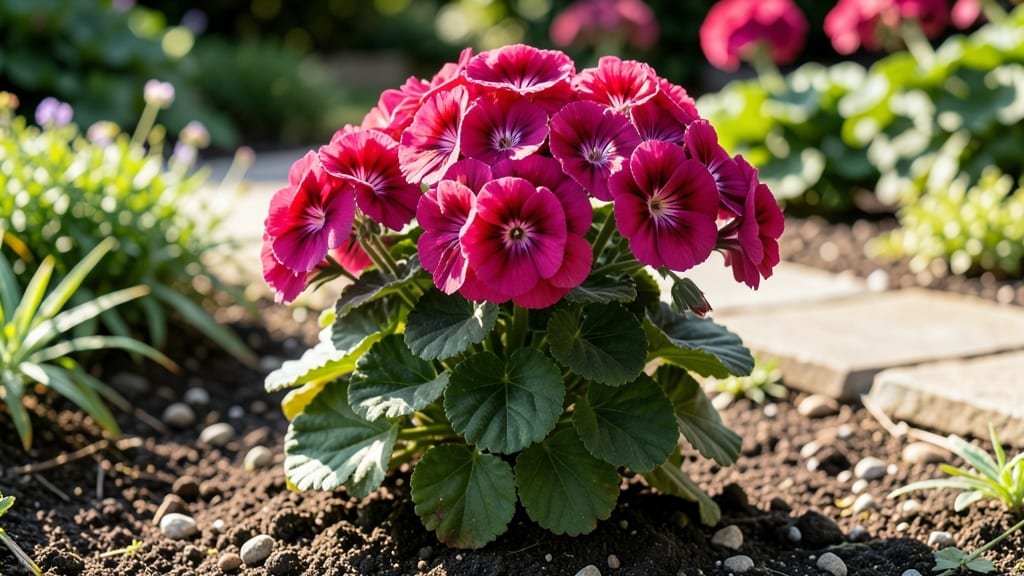
Geraniums can bloom all summer when given the right conditions—six or more hours of sunlight daily, well-draining soil, and regular watering—but extreme heat or drought will cut their flowering short. Zonal geraniums, in particular, perform best with afternoon shade during hot spells.
Geraniums are summer's workhorses because they're naturally programmed to respond to long daylight hours, which trigger their blooming cycle. 🌸 The magic happens when temperatures stay between 65°F and 75°F—any hotter, and the flowers may drop prematurely.
I've seen firsthand how afternoon shade can make all the difference in sweltering climates, giving plants a fighting chance to keep producing those vibrant blooms. Even drought-tolerant varieties need consistent moisture to maintain their energy reserves for continuous flowering.
What many gardeners don't realize is that regular deadheading—removing spent blooms—actually stimulates new flower production. This simple practice keeps the plant focused on creating fresh blooms rather than setting seed. For those in particularly hot regions, choosing heat-resistant varieties like 'Mascotte' series geraniums can extend your blooming season by weeks.
The key is balancing sun exposure with protection from afternoon heat stress.
💡 In This Article
- Light and Heat Requirements for Continuous Geranium Blooms
- Geranium Care Tips to Extend Summer Flowering
Light and heat requirements for continuous geranium blooms
Geraniums rely on a process called photoperiodism—their blooming cycle is triggered by daylight length. When days stretch beyond 14 hours of sunlight, these plants receive the signal to produce flowers continuously.
The optimal temperature range for this process is 65-75°F, where metabolic processes like photosynthesis and nutrient transport function most efficiently. When temperatures climb above 85°F, however, the plant's energy shifts toward survival rather than reproduction, causing buds to drop before opening.
Heat stress affects geraniums at a cellular level. High temperatures cause pollen degradation—the delicate male reproductive structures become nonviable, reducing fertilization rates. This is why you might see fully formed buds that never open or produce seeds.
The afternoon sun (typically between 2 PM and 6 PM) is particularly damaging because it combines high temperatures with intense light, creating a double stressor. Providing 30-50% shade during these hours can reduce leaf scorch by up to 70% while maintaining the light levels needed for photosynthesis.
Soil temperature also plays a hidden role. Geranium roots prefer soil that stays between 60-70°F. When surface soil heats beyond 80°F, root activity slows, limiting the plant's ability to absorb water and nutrients.
This creates a vicious cycle: stressed roots can't support the plant's flowering needs, leading to stunted growth and fewer blooms. Mulching with 2-3 inches of organic matter helps regulate soil temperature while retaining moisture.
Not all geranium varieties respond equally to heat. Zonal geraniums, for example, have a higher heat tolerance threshold than ivy geraniums, which wilt more easily when temperatures exceed 80°F. The 'Mascotte' series stands out for its ability to maintain blooms in 90°F+ conditions when given afternoon shade.
These varieties have been selectively bred to handle heat stress better through thicker leaf cuticles and deeper root systems that access moisture from lower soil layers.
What often surprises gardeners is how humidity levels interact with heat. In dry, hot climates (like 30% relative humidity or lower), geraniums lose moisture through transpiration at alarming rates. This causes buds to dry out before opening—a condition called bud blast.
Increasing air circulation around plants (through pruning or strategic placement) can improve transpiration efficiency by 20-30%, helping maintain turgor pressure in developing buds.
For those in regions with predictable summer heatwaves, planning is key. Planting geraniums 3-4 feet from south-facing walls creates natural shade during peak afternoon sun. Alternatively, using lightweight shade cloth (30-40% coverage) draped over trellises provides protection without blocking necessary sunlight.
The goal is to mimic the natural conditions geraniums evolved in—Mediterranean climates with warm days and cooler nights.