
Blooming
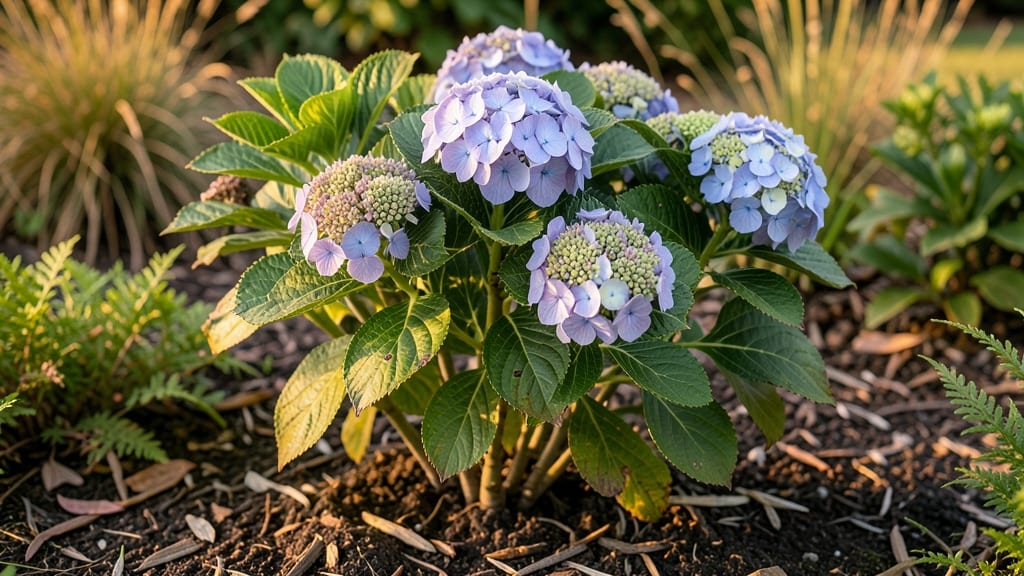
Hydrangeas don’t bloom all summer—unless you’re growing the right varieties and using a few clever tricks. 🌸 I’ve spent years watching mophead hydrangeas fade into green foliage by July, while my panicle types keep producing blooms well into fall.
The secret lies in understanding which hydrangeas are repeat bloomers and how to coax them into a second flush.
Most hydrangeas bloom on old wood (last year’s growth), so they produce their best show in spring. But varieties like ‘Limelight’ or ‘Little Lime’ bloom on new wood, meaning they can produce flowers all season long if you prune correctly.
Even mopheads can rebloom with proper care—think deadheading spent flowers and feeding them with balanced fertilizer every 4-6 weeks.
By late summer, you’ll see fresh buds forming on new growth if you’ve been consistent with watering (they love 1-1.5 inches per week) and protecting them from extreme heat.
The key is keeping them happy during the dog days—mulch helps retain moisture, and morning watering prevents fungal issues that can stress the plants.
Climate plays a big role: Southern gardeners might need afternoon shade to prevent wilting, while Northern growers can leave them in full sun. Either way, with the right variety and a little extra attention, you can extend that hydrangea show well past the usual summer fade-out.
What Triggers Hydrangeas Summer Slump
If your hydrangeas are putting on a spectacular spring show but then fizzle out mid-summer, you’re not alone—this is a common frustration for gardeners. The good news? Understanding the biological and environmental triggers behind this pattern can help you coax those blooms back into action.
Let’s break down the science behind why hydrangeas often take a summer break—and how to override nature’s schedule.
Hydrangeas are big bud producers in spring, but they’re also temperature-sensitive. Most varieties—especially mophead and lacecap types—form their flower buds on old wood (last year’s growth) in late summer or early fall.
However, if summer temperatures consistently exceed 85°F (29°C) for weeks at a time, the plant’s energy shifts toward leaf production over blooms.
- Why it happens: High heat accelerates photosynthesis, but the plant prioritizes vegetative growth (leaves/stems) over reproductive growth (flowers). Think of it like a student cramming for finals—they focus on survival, not extra credit.
- Actionable fix:
- Provide afternoon shade (especially in zones 7-9) to lower leaf temps by 10–15°F.
- Mulch heavily with organic matter (3–4 inches) to insulate roots and reduce soil heat.
- Water deeply early in the morning to cool the plant and encourage root activity.
Pro tip: 💡 If your hydrangeas are reblooming varieties (like ‘Endless Summer’), they can produce buds on new wood—but only if given cool nights (below 70°F/21°C) after summer heat waves. Without this, buds may form but fail to open.
Hydrangeas are thirsty plants, and inconsistent watering—or worse, over-fertilizing with nitrogen—can derail blooming. Here’s how it plays out:
| Issue | Why It Stops Blooms | Fix It |
|---|---|---|
| 🚰 Underwatering | Drought stress causes buds to abort before opening. The plant conserves energy by dropping potential flowers. | Water 1–1.5 inches per week (more in containers). Use drip irrigation to keep soil evenly moist. |
| 🌱 Too Much Nitrogen | Nitrogen fuels leafy growth at the expense of flowers. A soil test with high N (first number) = fewer blooms. | Switch to a low-N, high-P (phosphorus) fertilizer (e.g., 5-10-5) in early summer to encourage blooming. |
| 🌡️ Overhead Watering | Wet foliage + heat = fungal diseases (like powdery mildew), which weaken the plant and reduce flower production. | Water at the base and avoid evening watering. Prune for airflow if leaves stay damp. |
Pro tip: 🌡️ Reblooming hydrangeas need a phosphorus boost in mid-summer to restart flower formation. Look for fertilizers labeled for blooming plants (e.g., Miracle-Gro Bloom Booster).
Timing is everything with hydrangeas—and pruning at the wrong time can reset their blooming clock. Here’s what’s likely happening:
- Old wood bloomers (e.g., ‘Annabelle’, ‘Nikko Blue’):
- These form buds on last year’s stems in late summer/fall. If you prune after June, you risk cutting off next year’s flowers.
- Pruning too late can also stimulate new growth that won’t harden off before winter, leading to weak spring blooms.
- New wood bloomers (e.g., ‘Endless Summer’, ‘Limelight’):
- These can rebloom if given the right conditions, but over-pruning in spring removes potential flower buds before they form.
- If you don’t prune at all, the plant may put all its energy into a single massive bloom cycle in spring and then taper off.
Actionable fix:
- For old wood types: Prune right after blooming (late spring/early summer) and never after July 1st.
- For new wood types: Prune lightly in late winter (remove dead wood) and again after the first bloom cycle to encourage reblooming.
Pro tip: ✨ If your hydrangea stopped blooming after a hard prune, don’t panic—it may take 1–2 years to recover. Focus on healthy foliage and proper summer care to rebuild its energy reserves.
Unseen invaders can sap your hydrangea’s energy faster than you’d think. Common culprits include:
- Spider mites & aphids: These suck plant sap, causing yellowing leaves and stunted growth—both of which reduce flower production.
- Powdery mildew: A fungal infection that coats leaves in white powder, blocking sunlight and weakening the plant.
- Root rot: Overwatered or poorly drained soil leads to anaerobic roots, which can’t support heavy blooming.
How to spot the problem:
- Check undersides of leaves for mites or aphids (use a magnifying glass).
- Look for white powdery spots on leaves (powdery mildew).
- Gently tug on stems—if roots slip easily, you may have root rot.
Fix it:
- Spray neem oil (for pests) or baking soda mix (1 tsp baking soda + 1 quart water + drop of dish soap) for mildew.
- Improve drainage by amending soil with perlite or sand.
Revitalize Your Hydrangeas Summer Bloom
---
If your hydrangeas are struggling to bloom all summer, don’t fret—there are practical ways to coax them back to life! The key is addressing the root causes (literally and figuratively) with targeted fixes.
Below, we’ve mapped out solutions based on the most common issues, from heat stress to nutrient deficiencies, plus prevention tips to keep your blooms vibrant all season long.
---
Hydrangeas can wilt under scorching sun, especially in late summer. Here’s how to cool them down:
🌿 Step 1: Provide Afternoon Shade Move potted hydrangeas to a spot with morning sun and afternoon shade. For in-ground plants, install a lightweight shade cloth (30-50%) over them during peak heat (12–4 PM). Avoid dense shade, which can reduce blooms.
💦 Step 2: Deep Watering Trick Water deeply twice weekly (or daily in extreme heat) to encourage root growth. Use the “finger test”: Stick your finger 2 inches into the soil—if it’s dry, water until it drains 6 inches down. Mulch heavily (3–4 inches of organic mulch like shredded bark) to retain moisture.
❄️ Step 3: Cool Down with Foliar Spray Mist leaves early in the morning or late evening to lower their temperature. For severe stress, set up a light spray system (like a drip hose) for 10–15 minutes daily.
💡 Pro Tip: Avoid overhead watering in the heat—it can scorch leaves. Water at the base instead.
---
Yellowing leaves or sparse blooms often mean your hydrangeas are hungry. Fix it fast:
📊 Step 1: Test Your Soil Use a home soil test kit (or send a sample to a local extension office) to check pH and nutrient levels. Hydrangeas thrive in acidic soil (pH 5.5–6.2) for blue blooms or neutral soil (pH 6.0–7.0) for pink/red.
🍄 Step 2: Feed with the Right Fertilizer - For new growth: Use a balanced fertilizer (10-10-10) in early summer. - For blooms: Switch to a high-phosphorus fertilizer (5-10-10) when buds form. - For acid-loving varieties: Add sulfur or peat moss to lower pH gradually.
🥄 Step 3: Compost Tea Boost Brew a compost tea (steep compost in water for 24 hours, strain) and apply as a foliar spray or soil drench every 2 weeks. It adds microbes and trace minerals for a quick pick-me-up.
🌡️ Pro Tip: If your soil is alkaline, amend it with pine needles or coffee grounds (they’re acidic) to encourage blue blooms.
---
Some hydrangeas bloom on old wood (last year’s growth), while others bloom on new wood (current season). Prune strategically:
🌸 Step 1: Identify Your Hydrangea Type - Bigleaf & Oakleaf: Bloom on old wood—prune after flowering (late summer/fall). - Panicle & Smooth: Bloom on new wood—prune in late winter/early spring to encourage fresh growth.
✂️ Step 2: Cut Back Correctly - For old-wood bloomers, remove only dead or weak stems—never cut back more than 1/3 of the plant. - For new-wood bloomers, prune 1/3 of the oldest stems to the ground in spring to stimulate new blooms.
🎯 Pro Tip: Deadhead spent blooms (cut just above the 5th leaf from the bottom) to redirect energy to new flowers.
---
Aphids, powdery mildew, or fungal infections can stunt blooms. Act fast:
🐜 Step 1: Spot & Treat Pests - Aphids/Spider Mites: Spray with neem oil or insecticidal soap (reapply every 5–7 days). - Japanese Beetles: Handpick them into soapy water or use milky spore bacteria for long-term control.
🍄 Step 2: Fight Fungal Issues - Powdery Mildew: Apply baking soda spray (1 tsp baking soda + 1 quart water + a drop of soap) weekly. - Leaf Spot: Remove infected leaves and spray with copper fungicide every 10 days.
✨ Pro Tip: Improve airflow by thinning dense foliage to prevent fungal spores from thriving.
---
Keep your hydrangeas happy year-round with these habits:
- 💧 Water Consistently: Drought stress = fewer blooms. Use a drip irrigation system for even moisture.
- 🍂 Mulch Religiously: Refresh mulch annually to lock in moisture and cool roots.
- 🌱 Divide Overcrowded Plants: Every 3–4 years, split clumps in early spring to rejuvenate growth.
- 🌡️ Monitor Heat Waves: If temperatures hit 90°F+, provide extra shade and water.
- 📅 Bloom Timeline: Note when your hydrangeas flower—this helps you prune and fertilize at the right times.
---
With these fixes, your hydrangeas should bounce back with bold, continuous blooms all summer long. 🌸 The secret? Stay proactive—a little care now means a garden full of color later!
Frequently asked questions
Why do most hydrangeas stop blooming after June?
Most hydrangeas bloom on old wood (last year's growth), so they produce their biggest show in spring. After June, they shift energy to new growth, especially in hot weather. Varieties like mopheads and lacecaps typically fade unless you prune correctly or provide afternoon shade during heatwaves.
Can I make my hydrangeas rebloom all summer?
Yes! Choose reblooming varieties like 'Endless Summer' or 'Limelight' that produce flowers on new wood. For any type, deadhead spent blooms, feed with phosphorus-rich fertilizer every 4-6 weeks, and keep soil consistently moist. Morning watering helps prevent fungal issues that stress plants.
How do I know if my hydrangea blooms on old or new wood?
Check the stems: Old wood bloomers (like 'Nikko Blue') have buds forming on last year's growth, while new wood bloomers (like 'Little Lime') develop buds on current season's stems. Another clue: If your hydrangea blooms heavily in spring but fades by summer, it's likely an old wood type.
What's the best way to extend summer blooms?
Combine these tricks: Provide afternoon shade in hot climates, mulch heavily to retain moisture, and fertilize with low-nitrogen, high-phosphorus formula when buds appear. Deadhead regularly and water at the base (not overhead) to prevent fungal diseases that weaken plants.
Why did my hydrangea suddenly stop blooming this year?
Common culprits include over-pruning (cutting old wood buds), nutrient deficiencies (too much nitrogen), or pest damage (aphids, spider mites). Check for yellowing leaves, weak stems, or signs of insects. Adjust care and monitor for 2-3 weeks to see if blooms return.