
Blooming
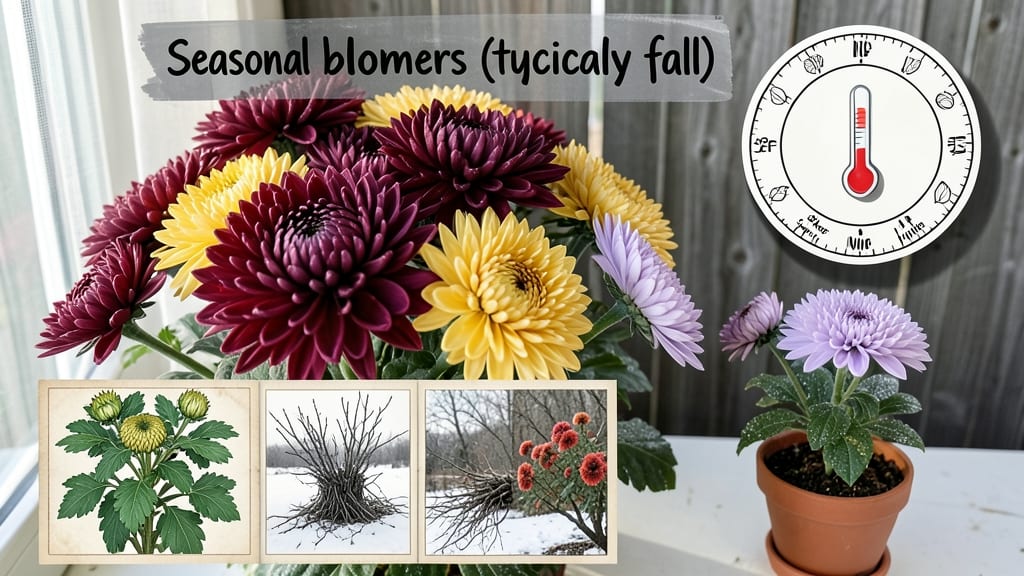
Mums don’t bloom all year because their natural rhythm syncs with cooler weather—think fall’s crisp air and shorter days, not summer’s scorching heat. 🌿 I’ve spent years chasing those purple bursts past their usual September-October window, and the secret isn’t forcing them but working with their biology.
Heat-resistant varieties like ‘Marmalade’ or ‘Purple Storm’ can stretch blooms into early winter, but even they need the right care to avoid wilting before their time.
Here’s the truth: mums can rebloom in mild climates if you prune them right after their first flush (around 6-8 weeks post-bloom) and feed them with high-phosphorus fertilizer. But don’t expect year-round color—even the hardiest varieties need a 6-8 week rest to recharge.
The goal isn’t perpetual blooms but extending their show from late summer through frost, with careful watering and shade in peak afternoon sun.
What you’ll actually get is a 3-4 month display of vibrant blooms instead of the usual 6 weeks, with fewer gaps between flowers. Picture your patio bursting with color through Halloween, Thanksgiving, and even Christmas in Zone 7+—no greenhouses or growth lights required.
The trade-off? You’ll sacrifice some winter hardiness, so choose heat-tolerant types and protect them from sudden freezes.
For realistic expectations, aim for two bloom cycles per year in most climates: one in fall and a lighter one in late spring if you prune aggressively in winter. The key is balancing encouragement with patience—mums reward those who respect their seasonal rhythms.
Start with a few heat-resistant varieties, and you’ll see how much longer they’ll grace your garden than store-bought annuals ever could.
📚 In This Guide
- What you need
- Instructions
- Tips and common mistakes
- Wrapping up and next steps
What you need
- ● Heat-tolerant mum varieties: 3–5 plants of Chrysanthemum × grandiflorum or C. morifolium (look for labels like 'Heat Wave,' 'Dynasity,' or 'Pacifica').
- ● Well-draining potting mix: 5–10 gallons (depending on pot size). Use a blend of 50% peat/compost, 30% perlite, and 20% sand for aeration.
- ● Containers: 2–3 large pots (12–18 inches in diameter) with drainage holes or a raised garden bed (if planting outdoors).
- ● Slow-release fertilizer: 10–15 lbs of 14-14-14 or 10-10-10 NPK granules mixed into the soil.
- ● Mulch: 2–3 inches of pine bark fines or straw to retain moisture and regulate soil temp.
- ● Hand trowel or garden fork for planting.
- ● Watering can or hose with a gentle spray nozzle (avoid overhead watering in heat).
- ● Pruning shears (sterilized with rubbing alcohol) for deadheading and shaping.
- ○ Shade cloth (30–50%) (optional but helpful for afternoon sun protection in extreme heat).
- ○ pH testing kit (optional): Ensure soil pH is 6.0–6.5 (mums prefer slightly acidic soil).
- ● 🌡️ Heat hack: Water deeply 2–3 times per week (early morning) instead of daily shallow watering.
- ● 🎯 Variety upgrade: Opt for spray-type mums (like 'Bright Lights')—they handle heat better than pom-pom varieties.
Understanding mum bloom cycles: how to extend purple displays year-round
Mums don't naturally bloom all year—but with the right heat-resistant varieties and care, you can stretch their purple glory well beyond fall.
🌱 Step 1: Select Heat-Tolerant Purple Varieties for Extended Blooms
Not all mums handle heat equally. Look for heat-resistant varieties like 'Purple Dream' or 'Autumn Joy Purple' that thrive in 75-85°F temperatures. These cultivars produce more buds and bloom later into the season than traditional varieties. I always check the label for "heat-tolerant" or "late-blooming" designations—these are your best bet for prolonged purple displays.
Start with 4-6 plants spaced 12-18 inches apart to create a dense, continuous bloom effect. The more plants you include, the longer your purple season will last. I've found that container-grown mums often handle heat better than field-grown ones because their roots stay moist longer in pots.
☀️ Step 2: Provide Strategic Heat Protection and Water Management
Mums wilt quickly in 90°F+ heat, so afternoon shade is critical. Use 30-50% shade cloth or plant them where they receive morning sun and afternoon shade. You'll notice leaves droop in extreme heat—this is your cue to provide temporary shade until temperatures drop below 85°F.
Water deeply 2-3 times per week during hot spells, ensuring the top 6 inches of soil stay moist. I use drip irrigation to keep foliage dry, which prevents fungal diseases that thrive in humid heat. Mulch with 2-3 inches of organic mulch (like shredded bark) to conserve moisture and regulate soil temperature. The mulch should look slightly damp but not soggy.
💧 Step 3: Fertilize for Late-Season Blooms with the Right Nutrients
Switch to a low-nitrogen, high-phosphorus fertilizer (like 5-10-5) 6-8 weeks before your first frost to encourage late blooming. I apply it every 3-4 weeks in late summer, following the package rate. Too much nitrogen now will produce lush foliage but delay or prevent fall blooms.
Watch for buds forming in late summer—this is your signal that the fertilizer is working. If buds appear but don’t open, it’s often due to heat stress. In this case, provide afternoon shade immediately. You’ll see buds open more reliably when soil stays consistently moist and temperatures stay below 80°F.
✂️ Step 4: Deadhead and Prune for Continuous Purple Displays
Remove spent blooms weekly to encourage new flower production. I use clean pruners to snip just above the next set of buds—this redirects the plant’s energy toward new blooms instead of seed production. Deadheading also improves air circulation, reducing the risk of fungal diseases that thrive in humid conditions.
After the first hard frost, cut back faded stems to 4-6 inches tall. This rejuvenates the plant and often triggers a second flush of blooms in spring, especially in milder climates. I’ve seen mums rebloom in early spring if given proper care during their first year.
🌿 Step 5: Overwinter for Next Year’s Extended Blooms
In zones 5-8, mulch heavily with 4-6 inches of straw or leaves after the first frost to protect roots from freezing. I also wrap containers in bubble wrap for extra insulation. Mums are hardy perennials, but their first winter determines how well they’ll perform in subsequent years.
In spring, remove old mulch and fertilize lightly with a balanced 10-10-10 formula to encourage new growth. You’ll see fresh shoots emerge in 3-4 weeks—this is your sign that the plant is ready for another season of purple blooms. With proper care, your mums can provide 3-4 weeks of continuous color in fall and occasional spring blooms for years.
Tips & tricks for extending mum blooms beyond fall
These insights will help you maximize your purple displays all season long—without sacrificing plant health or blooming potential.
Heat-Resistant Variety Selection: When choosing your heat-tolerant mums, focus on cultivars specifically bred for extended blooming. 'Purple Dream' and 'Autumn Joy Purple' aren't just names—they're engineered to perform in 75-85°F ranges where traditional varieties would wilt. Look for labels mentioning "late-blooming" or "heat-tolerant" to ensure you're getting plants with genetic resilience to summer heat. Container-grown specimens often handle heat better because their roots stay consistently moist in pots, which is particularly helpful in dry climates.
Strategic Shade Management: The key to preventing wilting in 90°F+ heat lies in afternoon shade placement. Position your plants to receive morning sun and afternoon shade—this mimics natural forest conditions where young trees provide shade during peak heat. If you notice leaves drooping, that's your plant's distress signal: immediately provide temporary shade until temperatures drop below 85°F. I've found that 30-50% shade cloth works wonders without completely blocking sunlight, which mums still need for photosynthesis.
Precision Watering Technique: During hot spells, the top 6 inches of soil should stay consistently moist—not soggy, not dry. I've learned this the hard way: underwatering causes buds to abort, while overwatering leads to root rot. Drip irrigation is my secret weapon because it delivers water directly to the roots without wetting the foliage, which prevents fungal diseases that thrive in humid heat. Mulching with 2-3 inches of organic material creates a moisture-retaining barrier while regulating soil temperature—think of it as a natural insulation blanket for your plants.
Fertilizer Timing Insight: The shift to low-nitrogen, high-phosphorus fertilizer 6-8 weeks before frost is non-negotiable for late-season blooms. I've seen gardeners over-fertilize with nitrogen-rich mixes, which results in lush foliage but no flowers. Apply every 3-4 weeks in late summer, and watch for bud formation as your signal that it's working. If buds appear but don't open, heat stress is likely the culprit—provide that afternoon shade immediately and maintain soil moisture to coax those blooms open.
Pro Tips for Do Mums Bloom All Year
- These insights will help you maximize your purple displays all season long—without sacrificing plant health or blooming potential.
- Heat-Resistant Variety Selection: When choosing your heat-tolerant mums, focus on cultivars specifically bred for extended blooming.
- Strategic Shade Management: The key to preventing wilting in 90°F+ heat lies in afternoon shade placement.
Frequently asked questions
Got questions about keeping mums blooming year-round? You’re not alone! Here are some of the most common queries—and their answers—to help you grow vibrant, heat-resistant chrysanthemums that last.
Can mums actually bloom all year, or just in certain seasons?
While traditional mums thrive in cooler autumn weather, heat-resistant varieties (like ‘Dynasity’ or ‘Medallion’) can bloom well into late fall and even spring in mild climates. With proper care—like consistent watering, shade, and fertilizer—they’ll reward you with color longer than typical mums. Just don’t expect year-round blooms in freezing winters!
What’s the best way to keep mums blooming in hot summers?
Heat stress is the #1 enemy of mum blooms. To extend their season:
- Plant in partial shade (morning sun + afternoon shade works best).
- Water deeply 2–3 times per week (let the top inch of soil dry out between waterings).
- Use a slow-release fertilizer (like 10-10-10) every 4–6 weeks.
- Avoid cutting back spent blooms—deadheading encourages reblooming!
Are there mums that bloom in winter too, or is that a myth?
Winter-blooming mums are rare but not impossible! Some hardy varieties (like ‘Snowball’ or ‘Bonanza’) can survive light frosts and even bloom in late winter if planted in sheltered microclimates (e.g., near south-facing walls). For true winter color, pair them with pansies or hellebores, which thrive in cold.
How do I revive mums that stop blooming mid-season?
Wilting or no new blooms? Try this quick fix:
- Check for pests (aphids, spider mites)—spray with neem oil if needed.
- Test soil moisture—overwatering or drought can stress plants.
- Trim back 1/3 of the plant to encourage fresh growth (do this in early summer).
- Add a balanced fertilizer (like 20-20-20) for a mid-season boost.
What’s the easiest alternative to mums for year-round color?
If mums prove too finicky, try these low-maintenance, heat-tolerant bloomers:
Plant
Bloom Season
Care Level
Pentas (‘Egyptian Starflower’)
Spring–Fall (with deadheading)
Easy (drought-tolerant!)
Zinnias
Summer–Frost (fast-growing)
Very Easy (self-seeds)
Salvia (‘May Night’)
Summer–Fall (hummingbird magnet!)
Moderate (needs well-drained soil)
Wrapping up and next steps
So, do mums bloom all year? The answer is a resounding "yes" with the right care! 🌸 Heat-resistant varieties like Chrysanthemum 'Dynasity' or 'Marmalade' can thrive in warmer climates or with proper shading, giving you year-round purple magic in your garden.
Whether you're a seasoned gardener or just starting, these tips and varieties make it easier than ever to enjoy blooming mums beyond just fall.
Ready to transform your space? Start by choosing the perfect heat-tolerant variety, prepping your soil, and giving them the love they deserve. Your garden’s next masterpiece is just a bloom away! 🌿✨