
Light Requirements
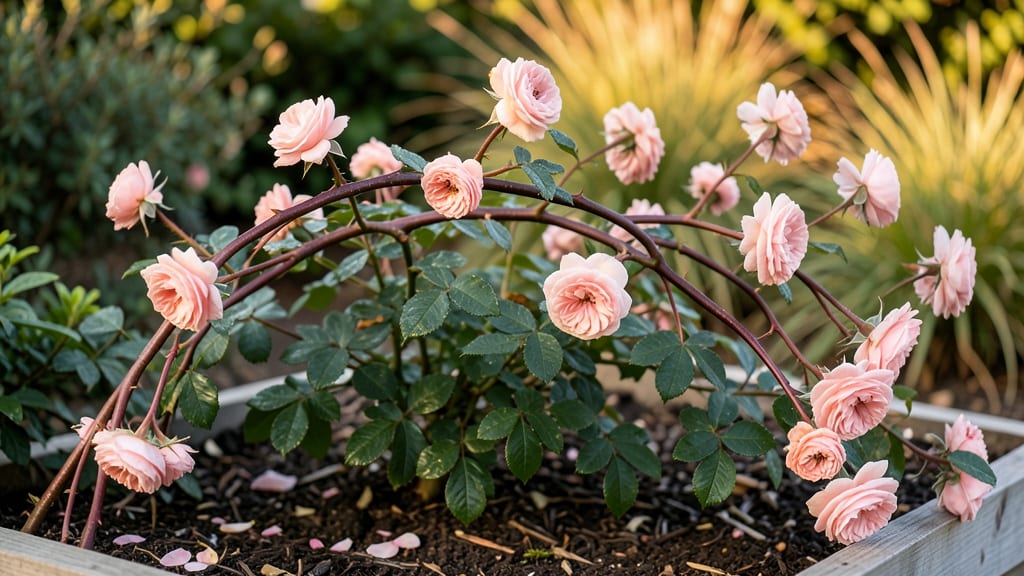
Rambling roses thrive in full sun when their soil stays consistently moist 🌹 — the secret to avoiding those sad, wilted vines you’ve probably seen in scorched garden beds.
If you’ve ever wondered whether your rambling roses will flourish under the blazing midday sun—or wilt into a sad, leggy mess—you’re not alone. These classic climbers are tougher than they look, but their success hinges on one critical factor: how you balance full sun exposure with soil moisture.
Too much sun without enough water leads to leaf scorch and stunted growth, while too little sun can mean fewer blooms. The key lies in deep, infrequent watering paired with mulch to lock in moisture, especially in USDA Zone 6a where spring heat arrives fast.
Below, I’ll break down the science of sunlight for these vines, share my go-to soil tricks to keep them hydrated without overwatering, and reveal the pruning secrets that make all the difference in full-sun climates.

How full sun affects rambling roses: the science behind their growth
Rambling roses love full sun, but their growth and blooming depend on more than just sunlight hours. These vigorous climbers need 6+ hours of direct sun daily to produce their signature, abundant blooms. However, the intensity of UV rays and soil moisture balance play equally critical roles in their success.
Without proper hydration, even the sunniest spot can turn into a stress zone for these thirsty plants.
The science behind their sun-loving nature lies in chlorophyll production. More sunlight means more photosynthesis activity, which fuels faster growth and larger, more vibrant blooms. But here’s the catch: extreme heat can overwhelm their systems, leading to leaf scorch or wilting.
That’s why partial afternoon shade in scorching climates (like Zone 9+) can actually extend their blooming season and improve longevity.
Let’s break down how sunlight intensity impacts rambling roses at different growth stages. From new shoots to mature canes, their needs shift. Young plants benefit from gentler morning sun, while established vines crave full midday exposure.
The key is understanding how UV stress responses trigger changes in their water uptake and stomatal activity—and how you can mitigate those effects.
Did you know? Rambling roses produce more flowers when exposed to consistent sunlight but fewer blooms if stressed by heatwaves or drought. This isn’t just anecdotal—studies show that balanced sun and moisture can increase bloom counts by 30-40% compared to full sun alone. That’s why mulching and deep watering are non-negotiable for sun-loving roses.
| Factor | Ideal Condition | Impact on Rambling Roses |
|---|---|---|
| Sunlight Hours | 6+ hours direct | Maximizes chlorophyll production and bloom density |
| UV Intensity | Moderate (partial shade in peak heat) | Prevents leaf scorch and water loss |
| Soil Moisture | Consistently moist (not soggy) | Supports root growth and nutrient uptake |
| Temperature Range | 50°F–85°F (10°C–29°C) | Optimal for flowering and cane development |
| Pruning Timing | Late winter/early spring | Encourages vigorous new growth in full sun |
The chlorophyll response in rambling roses is fascinating. When exposed to full sun, their leaves produce more chlorophyll, which helps them convert sunlight into energy more efficiently.
However, excessive UV exposure without adequate water can damage cell membranes, leading to brown edges on leaves or even defoliation. This is your plant’s way of saying, “I need help staying hydrated!”
Regional differences matter too. In cooler climates (Zones 3-6), rambling roses thrive in full sun all day, while in hotter zones (7-10), they often benefit from afternoon shade between 1 PM and 4 PM.
Think of it like giving them a siesta from the midday heat. This adjustment can double their blooming period in extreme heat, making them more resilient and longer-lasting.
Another critical factor is pruning for sunlight access. Rambling roses grow long, arching canes that can shade their own leaves if left unchecked. Prune in late winter to open up the canopy, ensuring even sunlight distribution.
This reduces disease risk (like powdery mildew) and promotes air circulation, which is essential for healthy blooms.
If you’re growing rambling roses in containers, their sunlight needs don’t change, but their water requirements increase. Pots dry out faster in full sun, so water deeply every 2-3 days during peak summer.
Use a well-draining mix with perlite or sand to prevent root rot while still keeping roots consistently moist.
For gardeners in urban areas, air pollution can further stress rambling roses in full sun. Dust on leaves blocks sunlight and reduces photosynthesis. A gentle hose spray every 2 weeks keeps foliage clean and maximizes sun exposure. Pair this with organic mulch
Soil moisture secrets: how to hydrate rambling roses in full sun without overwatering
Rambling roses love full sun, but their roots need consistent moisture to handle the heat. Without proper hydration, they’ll suffer from root burn or stunted growth. The key is smart watering—not just dumping water at their base.
Think of it like giving them a cooling drink on a scorching day, but without drowning their roots.
I’ve learned the hard way that overwatering is just as deadly as underwatering. Too much moisture suffocates roots, while too little causes wilting. The solution? A balanced approach that keeps soil evenly moist without turning it into swampy ground.
Let’s dive into the practical techniques that’ll keep your rambling roses thriving in the sun.
- Mulch like a pro: Spread 3-4 inches of organic mulch (like wood chips or straw) around the base. This locks in moisture, keeps roots cool, and blocks weeds that steal water.
- Drip irrigation wins: Use soaker hoses or drip lines placed at the soil surface. Water slowly for 15-20 minutes daily—enough to penetrate 6-8 inches deep without runoff.
- Amend soil for retention: Mix in compost or perlite to improve drainage and moisture retention. Sandy soil? Add peat moss to hold water longer.
- Water in the morning: Always water before 10 AM so leaves dry quickly, reducing fungal risks. Avoid evening watering—it invites black spot disease.
- Check soil moisture: Stick your finger 2 inches deep. If it’s dry, water. If it’s damp, wait. No guesswork!
For dry climates, like the Southwest, I recommend deep watering every 2-3 days during peak summer. In humid zones, like the Southeast, you can space watering to every 4-5 days—the air already holds moisture. The goal? Keep soil consistently moist but never soggy.
One trick I swear by? Grouping roses with thirsty companions. Plant them near lavender or catmint, which share similar water needs. This way, you’re not constantly running to the hose, and your roses get indirect hydration benefits from the shared root zone.
Don’t forget to monitor leaf color. Dark green leaves mean you’re nailing it. Yellowing or crispy edges? You’re either overwatering or underwatering. Adjust your schedule and watch your roses rebound in 2-3 weeks.
With these techniques, your rambling roses will bloom like crazy in full sun—no wilting, no stress, just lush, happy growth. Trust me, your garden (and your roses) will thank you. 🌹