
Container Gardens
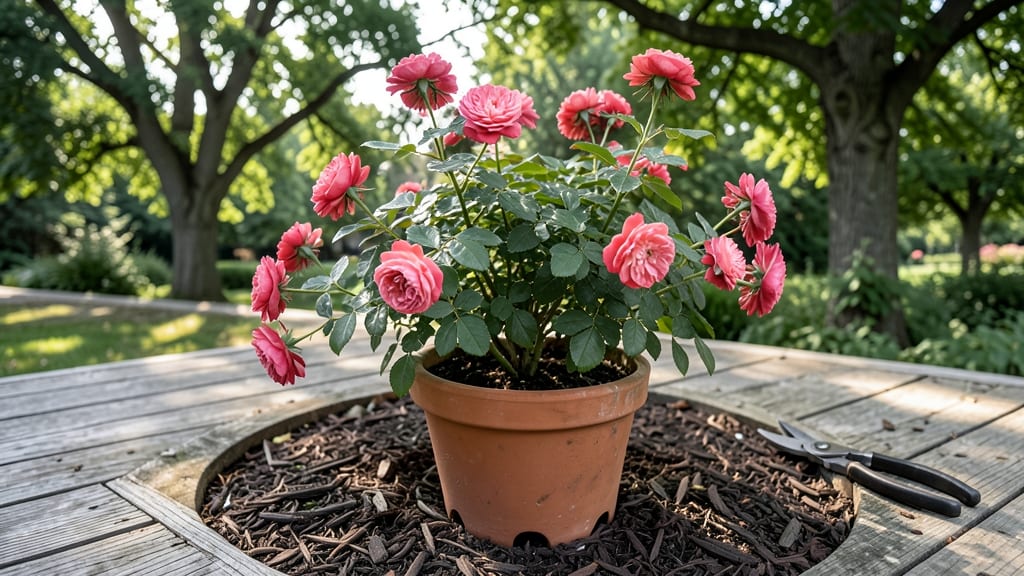
Double Knockout roses in containers turn any space into a fragrant, picture-perfect display—without needing a yard. 🌹 I’ve filled balconies, patios, and even fire escapes with these roses, and their bold blooms never disappoint.
The secret lies in choosing the right container, pairing them with the perfect companions, and giving them just enough love to thrive in confined spaces.
Start with a 5-gallon or larger container—these roses need room for strong roots and won’t tolerate being root-bound. Glazed ceramic or fiberglass pots help retain moisture, while wood or metal adds rustic charm.
Add a drainage layer of gravel or broken pottery, then fill with a mix of high-quality potting soil and compost to keep them fed and happy.
By summer, you’ll have vibrant clusters of blooms that last all season, their sweet fragrance drawing in hummingbirds and bees. Pair them with trailing lantana or sweet alyssum for color contrast, or tuck in lavender for a soothing, aromatic combo.
The key is morning sun and afternoon shade—these roses reward the right placement with nonstop blooms from spring to frost.
Container-grown roses need weekly deep watering and a balanced fertilizer every 4-6 weeks, but the trade-off is worth it: no weeds, no pests, and the freedom to move them for the perfect view. Whether you’re urban or rural, this setup turns even the smallest space into a showstopping garden.
📚 In This Guide
- What you need
- Instructions
- Tips and common mistakes
- Wrapping up and next steps
What you need
- ● Container: At least 15-20 gallons (18-24" diameter/wide) with drainage holes. Tip: Choose fabric grow bags or glazed ceramic pots for better aeration and temperature regulation.
- ● High-quality potting mix: 6-8 bags (2-3 cu. ft. each) of a well-draining, organic blend (e.g., 60% potting soil, 30% perlite/pumice, 10% compost). Avoid garden soil—it compacts!
- ● Double Knockout rose bush: 1-2 bare-root or potted plants (dwarf varieties like Knock Out® 'Double Red' or 'Double Pink' work best for containers).
- ● Slow-release fertilizer: 1-2 lbs of rose-specific granules (12-14-18 NPK ratio) or organic options like fish emulsion.
- ● Mulch: 2-3 inches of pine bark fines or cocoa hulls to retain moisture and regulate soil temp.
- ● Drainage material: 2-3 inches of gravel, perlite, or expanded shale for the container’s base.
- ● Pruning tools: Bypass pruners (for clean cuts)
- ● Loppers (for thicker stems)
- ● Sharp pruning saw (if needed)
- ● Watering can or hose with nozzle: 5+ gallons capacity (or a drip irrigation kit for consistency).
- ● Container saucers: To catch runoff and protect patios.
- ● Rose food spikes: For monthly feeding during peak bloom.
- ● Epsom salt: 1 tbsp/month dissolved in water to boost magnesium.
- ● Support stake or tomato cage: For taller varieties (6+ feet).
- ● Soil moisture meter: To avoid over/under-watering.
- ● Fungicide (copper-based): For preventative care in humid climates.
Step-by-step instructions for growing Double Knockout roses in containers
Here's how to cultivate these stunning, disease-resistant roses in pots for vibrant, repeat-blooming displays.
🪴 Step 1: Select the Right Containers and Drainage System
Double Knockout roses need at least 15-gallon containers per plant to accommodate their vigorous root systems. I recommend fabric grow bags or glazed ceramic pots with drainage holes—both prevent root circling while allowing excess water to escape. If using traditional clay pots, add 3-4 inches of gravel at the bottom for drainage. The container must be 12-18 inches deep to support the plant's growth without becoming top-heavy.
Position containers where they'll receive full sun (6+ hours daily)—Double Knockouts thrive with morning sun and afternoon shade in hot climates. Avoid placing pots on concrete or pavement, which can bake roots. Instead, use elevated stands or insulated saucers to regulate soil temperature. Here's the thing—these roses reward proper drainage with bold, fragrant blooms all season long.
🌱 Step 2: Prepare the Soil Mix for Optimal Growth
Fill the container with a custom soil blend that mimics loose, well-draining garden soil. I mix 60% premium potting mix, 20% perlite, and 20% compost to create an airy, nutrient-rich medium. Avoid garden soil—it compacts in containers and suffocates roots. Amend the mix with 1 cup of slow-release rose fertilizer (10-10-10) per container to provide steady nutrients during the growing season.
Plant your Double Knockout rose bare-root in early spring or container-grown anytime after the last frost. Dig a hole twice as wide as the root ball to encourage root spread. Position the plant so the graft union (visible bump near the base) sits 1-2 inches above soil level—this prevents root rot while allowing the plant to establish properly. Tap the soil gently around the roots to eliminate air pockets, then water deeply until moisture drains from the bottom.
☀️ Step 3: Water and Fertilize for Continuous Blooms
Double Knockout roses demand consistent moisture—water when the top 2 inches of soil feel dry. I use a soaker hose or drip irrigation to deliver water at the base, avoiding wetting foliage (which spreads disease). In hot weather, check soil moisture daily, as containers dry out faster than in-ground plantings. Mulch with 2 inches of shredded bark to retain moisture and regulate soil temperature.
Feed your roses every 4-6 weeks with a balanced liquid fertilizer (20-20-20) during the growing season. I also add Epsom salt (1 tablespoon per gallon of water) monthly to boost magnesium levels—this prevents yellowing leaves and promotes vibrant, dark green foliage. Stop fertilizing in late summer to encourage dormancy and prepare for winter. Real talk: Skipping this step leads to weak growth and fewer blooms.
✂️ Step 4: Prune for Shape and Disease Prevention
Prune your Double Knockout roses twice a year—once in early spring (just before new growth starts) and again in late fall (after blooming). Remove dead, diseased, or crossing branches first, then cut back remaining stems by one-third to encourage bushier growth. Always prune just above an outward-facing bud to maintain an open center. I use sterilized pruners to prevent bacterial infections, wiping blades with rubbing alcohol between cuts.
Watch for black spot or powdery mildew—common fungal issues in containers. If you spot yellowing leaves with black spots, remove affected foliage immediately and apply a copper fungicide as a preventive measure. Double Knockouts are disease-resistant, but poor air circulation (from overcrowded pots) invites problems. Thin out stems if growth becomes too dense—this ensures better airflow and more blooms.
⏰ Step 5: Overwintering for Year-Round Success
In colder climates, move containers to a protected location (like a garage or shed) before temperatures drop below 20°F. Wrap the pot in bubble wrap and cover the top with straw or burlap to insulate roots. Check soil moisture monthly—water sparingly to prevent rot, but don’t let it dry out completely. In USDA Zones 8-10, roses can stay outdoors with extra mulch and frost cloth on particularly cold nights.
Come spring, uncover the plant and prune lightly to remove winter-damaged stems. Gradually reintroduce it to outdoor conditions by placing it in a shaded, sheltered spot for a week before moving to full sun. Double Knockouts bounce back stronger each year when given proper winter care—this is the secret to year-round blooms in containers. Here's the moment that matters: Timing your winter prep ensures a vibrant, healthy plant ready to burst into color by spring.**
Tips & tricks for thriving Double Knockout roses in containers
These expert insights will help you coax even more vibrant blooms from your container-grown Double Knockout roses.
Container Size Matters: Don't skimp on container dimensions—those 15-gallon requirements are non-negotiable for these vigorous varieties. I've seen gardeners use smaller pots thinking they'd save space, only to watch their roses struggle with stunted growth. The extra volume prevents root binding and gives your plant room to establish its extensive root network. For extra insurance, choose containers with 12-18 inches of depth—this vertical space mimics natural root growth patterns and supports the plant's structural needs.
Soil Science Secret: The 60-20-20 soil blend (potting mix/perlite/compost) creates the perfect air-to-moisture ratio, but here's what nobody tells you—sterilize your components first. Heat your potting mix and perlite in a microwave for 2 minutes to kill any lurking pathogens. This prevents fungal issues before they start. Also, add 1 cup of slow-release fertilizer to your mix at planting time—this gives your roses a nutrient head start that lasts all season.
Watering Wisdom: Those top 2 inches of dry soil guidelines are spot-on, but I've learned this the hard way: morning watering is always better than evening. Wet foliage overnight creates the perfect conditions for black spot and powdery mildew. For even distribution, I use a soaker hose inserted vertically into the soil—this delivers water directly to the roots where it's needed most. In summer heat, I check soil moisture twice daily—containers dry out faster than you'd expect, and Double Knockouts wilt dramatically when thirsty.
Winter Prep Timing: The 20°F threshold is critical, but here's my pro move: I start winter preparations when nighttime temps consistently hit 35°F—about 2 weeks before the official move. This gradual acclimation prevents shock. For extra protection, I wrap containers in double-layer bubble wrap and add 4 inches of straw mulch on top. This insulation combo has kept my roses thriving through -10°F winters without any damage.
Pro Tips for Double Knockout Roses In Containers
- These expert insights will help you coax even more vibrant blooms from your container-grown Double Knockout roses.
- Container Size Matters: Don't skimp on container dimensions—those 15-gallon requirements are non-negotiable for these vigorous varieties.
- Soil Science Secret: The 60-20-20 soil blend (potting mix/perlite/compost) creates the perfect air-to-moisture ratio, but here's what nobody tells you—sterilize your components first.
Frequently asked questions
Got questions about growing Double Knockout roses in containers? You’re not alone! Here are some of the most common queries—and their answers—to help you cultivate stunning, fragrant blooms with confidence.
What size container is best for Double Knockout roses?
Double Knockout roses thrive in containers that are at least 18–24 inches deep and wide. A larger pot (20+ gallons) gives roots room to spread, while smaller containers (12–15 inches) work for dwarf varieties but may require more frequent watering. Pro tip: Add drainage holes to prevent root rot!
When is the best time to plant Double Knockout roses in containers?
For spring planting, wait until after the last frost when soil temps hit 60°F+. If planting in fall, do it 6–8 weeks before the first frost to allow roots to establish. Avoid extreme heat—roses stress easily in summer’s peak.
How often should I water Double Knockout roses in pots?
Containers dry out fast—check soil moisture daily in hot weather. Water deeply until it drains from the bottom, then wait until the top 1–2 inches feel dry before watering again. Morning watering reduces evaporation and fungal risks. Mulch helps retain moisture!
What are common pests for container-grown Double Knockout roses?
Watch for aphids, spider mites, and Japanese beetles. Start with neem oil or insecticidal soap for mild infestations. For severe cases, introduce beneficial insects (ladybugs) or use systemic pesticides like imidacloprid. Prevention tip: Prune regularly to improve airflow!
Can Double Knockout roses survive winter in containers?
Yes! Move pots to a protected location (garage, shed, or against a south-facing wall) before frost. Wrap containers in burlap or insulating foam and reduce watering. In Zone 5 or colder, dig up the rose, trim, and store it in a cool, dark spot until spring.
What’s a good alternative if Double Knockout roses are too high-maintenance?
Try Knock Out roses (single blooms), David Austin roses (English varieties), or dwarf climbing roses like ‘New Dawn.’ They’re equally hardy but often more forgiving for beginners. Bonus: ‘The Fairy’ or ‘Playboy’ roses are compact and fragrant!
Wrapping up and next steps
Double Knockout roses in containers are a game-changer for small spaces—packing bold beauty, fragrance, and resilience into every bloom! 🌹 With the right care, they’ll reward you with year-round color and minimal fuss.
Whether you’re a seasoned gardener or just starting, these roses prove that big impact doesn’t need big yards.
Ready to transform your patio or balcony? Start by picking your container, prepping the soil, and planting your Double Knockout roses today. Watch them flourish—and enjoy the compliments! 🌿