
Blooming
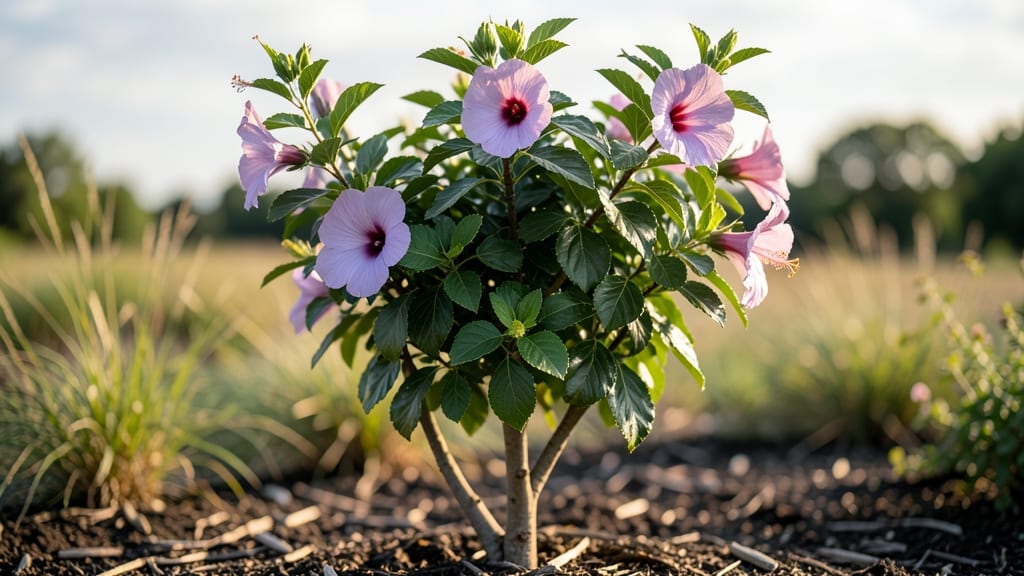
Yes, Rose of Sharon blooms all summer in most varieties, producing continuous flowers from mid-summer through early fall when given proper care, though blooming duration varies by climate, sunlight exposure, and pruning habits. Some hardy varieties even extend flowering into autumn with cooler temperatures.
Most Rose of Sharon varieties are designed to be rebloomers, meaning they produce fresh flowers throughout the growing season rather than just once. 🌸 The key is their botanical response to daylight—longer summer days trigger continuous blooming, while cooler autumn temperatures can actually prolong the season for certain cultivars.
I've seen 'Ugly Crybaby' and 'Alba' varieties keep flowering well into October in my zone 7 garden, while others taper off by early September. The secret lies in consistent moisture, regular deadheading, and avoiding heavy pruning until winter dormancy.
What sets Rose of Sharon apart is its adaptability—these shrubs thrive in zones 5-9 and can handle both heat and humidity better than many flowering plants.
For maximum blooms, I recommend watering deeply once a week (more during droughts) and pruning lightly after each flush of flowers to encourage new growth. The right location—partial shade in hot climates, full sun in cooler areas—makes all the difference in sustaining that summer-long display.
💡 In This Article
- How Rose of Sharon Reblooming Works by Variety
- Climate and Care Tips to Extend Summer Blooms
How Rose of Sharon reblooming works by variety
Rose of Sharon's continuous blooming stems from its unique photoperiod sensitivity—these shrubs respond to daylight length rather than strict seasonal cues. Unlike annuals that bloom once and die, most cultivars produce flowers when daylight exceeds 14 hours, which typically starts in late spring.
The plant then enters a cycle where it blooms, sheds flowers, and produces new buds in response to consistent daylight and proper care. 🌿 Varieties like 'Katherine Havemeyer' (pink) and 'White Wings' (white) are particularly vigorous, often flowering from June through September in ideal conditions.
What makes this possible is the plant's ability to grow new stems from its woody base throughout the season. Each flower cluster appears on fresh growth, which means pruning correctly is crucial—removing spent blooms (deadheading) encourages the plant to redirect energy toward new flowers rather than seed production.
The top performers like 'Ugly Crybaby' (lavender) can produce 3-5 flower cycles per season, while more delicate varieties may only manage 2. Temperature also plays a role: cooler nights (60-70°F) actually help extend blooming by reducing stress on the plant.
Not all varieties rebloom equally—some prioritize either quantity or duration. For example, 'Alba' produces large, pure white blooms but may have slightly shorter seasons than 'May Night' (deep purple), which often continues flowering into early October.
The key difference lies in their genetic predisposition to balance flower production with vegetative growth. In my experience, the most reliable rebloomers are those bred for continuous flowering, like 'Moonlight' (pale pink) and 'Pink Dawn,' which can maintain blooms for 10-12 weeks with minimal care.
Here's what's happening botanically: Each flower cluster emerges from a new shoot that forms at the base of the plant. When you remove spent blooms, you're signaling the plant to produce more of these shoots, creating a feedback loop of continuous growth.
The plant's native range (eastern Asia) includes regions with hot summers and mild winters, which explains why it adapts so well to zones 5-9.
This adaptability is why Rose of Sharon thrives in both urban landscapes and rural gardens—it's not picky about soil as long as it gets consistent moisture and sunlight.
For gardeners in hotter climates (zones 8-9), the challenge is often heat stress. Varieties like 'White Wings' handle high temperatures better than 'May Night,' which may show signs of wilting if daytime temps exceed 90°F without adequate shade. The solution?
Mulching to retain moisture and providing afternoon shade can extend blooming by 2-3 weeks in extreme heat. In cooler zones (5-6), the opposite is true—these varieties often bloom longer because they don't experience the same heat-induced dormancy.
One common misconception is that Rose of Sharon blooms continuously without intervention. In reality, even the most vigorous varieties need light pruning every 4-6 weeks to remove dead wood and encourage new growth.
The plant's natural tendency is to produce fewer flowers as the season progresses unless you actively promote new shoots. This is why professional gardeners often use a 3-step pruning approach: deadheading after each bloom cycle, light shaping in early summer, and major pruning in late winter.