
Light Requirements
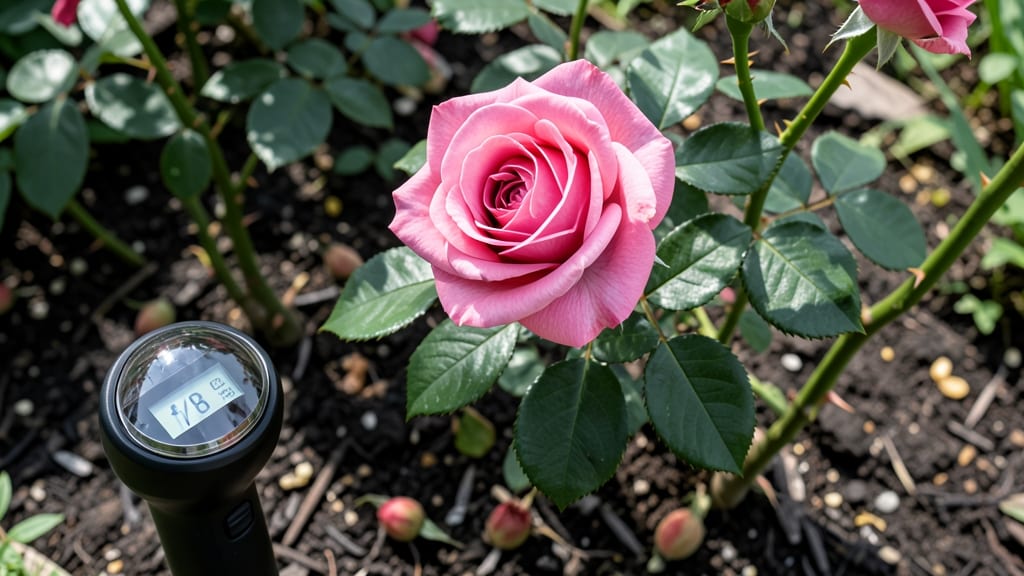
Roses need direct sunlight to thrive and produce their signature blooms, but the exact amount depends on the type and your climate.
If you’ve ever wondered why your roses refuse to bloom—or why some gardeners swear by full sun while others claim partial shade works—you’re not alone.
The truth is, most roses crave 6 to 8 hours of direct sunlight daily, but varieties like climbers or shrub roses can adapt to 4 to 6 hours in cooler zones.
Below, I’ll break down the ideal light balance, how to spot sunlight struggles in your 🌹, and which rose types handle shade better than others.

How much direct sunlight roses actually need (and why)
Roses are often called the queens of the garden, but their crowns require the right amount of sunlight to thrive. While most roses crave full sun exposure, the exact hours can vary based on variety, climate, and even soil conditions.
Understanding these nuances is key to unlocking vibrant blooms and healthy growth—not just survival.
The ideal sunlight range for roses typically falls between 6 to 8 hours of direct sun per day. This golden window fuels photosynthesis, which powers everything from leaf production to bud formation.
Without enough light, roses may produce fewer blooms or develop weak stems. But here’s the catch: too much sun in hot climates can scorch leaves, especially for varieties unaccustomed to intense heat.
🌹
The science behind rose photosynthesis explains why sunlight is non-negotiable. Roses convert sunlight into energy through chlorophyll in their leaves, a process that also produces carbohydrates for growth. When deprived of light, roses redirect energy to basic survival, leaving little for flower production or disease resistance.
Even 6 hours of direct sun can make the difference between a bush bursting with blooms and one struggling to open buds.
One common misconception is that all roses thrive in 'full sun', which often gets interpreted as 10+ hours of unfiltered light. In reality, afternoon shade can be a lifesaver in hot climates like USDA Zones 8–10, where intense midday rays can burn leaves and stress plants.
A simple trick? Plant roses near a south-facing wall or patio to capture morning sun while shielding them from afternoon heat.
Climate zones play a huge role in sunlight needs. In cooler northern regions (Zones 3–5), roses can handle full sun all day because temperatures rarely exceed 85°F.
But in hot southern zones (Zones 9–11), even 6 hours of direct sun might require afternoon shade to prevent leaf scorch. Always observe your roses: wilting or crispy edges are red flags for over-exposure.
🌿
Not all roses are created equal when it comes to light. Hybrid teas, known for their show-stopping blooms, demand the most sun—6–8 hours daily.
Meanwhile, climbing roses can tolerate partial shade, especially if their canes are trained to climb a trellis that provides dappled sunlight. Even ground-cover roses adapt well to 4–5 hours of sun, making them ideal for woodland gardens or shaded borders.
If you’re growing roses in containers, sunlight needs remain the same, but soil temperature and wind exposure become critical. Containers heat up faster, so move pots to shadier spots during peak afternoon sun in hot weather.
A light-colored container reflects excess heat, while a dark container absorbs it—choose based on your climate.
🪴
To maximize blooms, pair sunlight with proper watering. Roses need deep, consistent moisture—especially when they’re soaking up 6+ hours of sun. Shallow watering leads to weak stems and poor root development, while overwatering in full sun can drown roots.
Aim for 1–1.5 inches of water per week, delivered at the base of the plant in the morning to reduce evaporation.
Finally, don’t overlook mulch. A 2–3 inch layer of organic mulch (like shredded bark or straw) helps retain soil moisture and regulate root temperature, which is especially helpful in hot, sunny climates. Just keep mulch 6 inches away from the stem to prevent rot and pests.
Signs your roses aren’t getting the right light (and how to fix it)
Your roses might be silently screaming for help if they’re not getting the perfect balance of sunlight. Leaf burn from too much sun or pale, leggy growth from too little are classic red flags.
Even weak stems and fewer blooms can signal light-related stress. The good news? Most issues are easily fixable with a few adjustments to their growing conditions.
First, observe your roses for visual cues like crispy edges on leaves or a stretched, weak appearance. These signs often mean your plants are struggling to photosynthesize efficiently. Morning sun paired with afternoon shade can work wonders for roses in hot climates, while eastern exposures provide gentle, consistent light.
Let’s break down the key symptoms and solutions.
✅ DO: Optimize Light Exposure
- 6+ hours of sun for most roses
- Morning sun + afternoon shade in hot zones
- Reflective surfaces (white walls, gravel) boost light
- Prune nearby trees to increase light penetration
❌ DON’T: Overlook Subtle Signs
- Ignore pale leaves (under-exposure)
- Assume all roses need full sun (some tolerate shade)
- Plant in deep shade without supplemental light
- Skip mulch adjustments to regulate soil temp
If your roses show yellowing leaves or stunted growth, they’re likely not getting enough light. Try moving them to a sunnier spot or prune nearby obstructions like trees or fences. Weak stems often result from insufficient light, making plants more susceptible to wind damage.
For varieties like climbing roses or heirloom types, even 4-6 hours of filtered light can suffice if paired with proper care.
On the flip side, leaf scorch or brown patches mean your roses are getting too much harsh sunlight.
In these cases, provide afternoon shade using a lightweight shade cloth (30-50% coverage) or plant them near structures that cast gentle shadows. Mulching deeply (3-4 inches) also helps regulate soil temperature and retain moisture during peak sun hours.
For container-grown roses, rotate pots weekly to ensure even light exposure on all sides. If you notice fewer blooms despite regular care, insufficient light is often the culprit.
Try supplementing with a grow light (12-14 hours/day) during winter months when natural light dwindles. Even a south-facing window can make a difference for potted roses.
Remember, every rose variety has unique needs. Hybrid teas and grandifloras thrive in full sun, while David Austins or Noisette roses tolerate partial shade better.
Adjust your approach based on the specific type you’re growing, and don’t hesitate to experiment with different light conditions to find what works best for your garden.
With the right light balance, your roses will reward you with lush foliage and abundant blooms all season long. Start by assessing their current conditions, then make gradual adjustments to create the perfect growing environment. Your roses will thank you with healthier growth and more vibrant flowers! 🌹