
Blooming
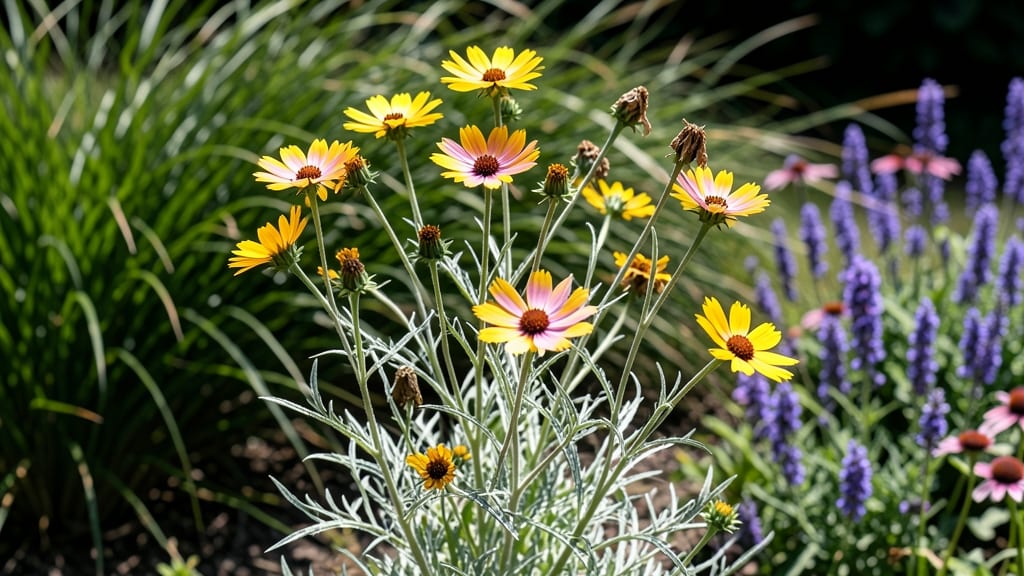
Coreopsis does bloom all summer when given the right conditions, producing continuous vibrant flowers from early summer through fall by responding to heat waves and deadheading.
This hardy perennial thrives in heat, which actually triggers its natural reblooming mechanism. 🔥 The key is maintaining consistent care—removing spent blooms (deadheading) encourages new flower production, while proper sunlight and well-draining soil keep plants healthy.
I've seen coreopsis continue blooming well into October in my garden when given these conditions, making it one of the most reliable summer flowers.
What sets coreopsis apart is its ability to handle heat better than many other perennials. The higher temperatures actually stimulate new growth, but you'll need to stay on top of watering during dry spells. Many gardeners underestimate how much this plant can reward consistent attention with its long-lasting blooms.
💡 In This Article
- How Heat and Pruning Extend Coreopsis Blooming Season
- Maximizing Coreopsis Summer Blooms: Pruning and Care Tips
How heat and pruning extend coreopsis blooming season
Coreopsis' ability to bloom continuously throughout summer stems from its natural response to heat and light exposure. This perennial enters what botanists call a "thermoperiodic" cycle—meaning its flowering is directly triggered by temperature fluctuations.
When daytime temperatures consistently reach 75-85°F (the plant's optimal range), it signals the plant to produce new flower buds. The key mechanism is ethylene gas production, which spikes during heat waves and stimulates lateral buds to open.
This is why coreopsis often bursts into new blooms after a hot spell, even if previous flowers have faded.
The plant's native habitat in open meadows and prairies explains why it thrives in full sun—typically 6-8 hours daily. In these conditions, coreopsis develops a robust root system that stores energy for continuous blooming.
What most gardeners miss is how the plant's growth habit changes with heat: the main stems produce flowers first, but when you remove spent blooms (deadheading), the plant redirects its energy to lateral stems, creating a cascading effect of new flowers.
This is why a single plant can produce 100-200 flowers per season when properly maintained.
Temperature plays a delicate balancing act—too much heat without proper care can stress the plant. Coreopsis handles 90°F+ days well, but requires 1-1.5 inches of water weekly during these periods to prevent bud drop.
The plant's deep taproot (reaching 2-3 feet) helps it access moisture, but surface roots still need consistent hydration. Interestingly, coreopsis actually blooms less prolifically in cooler summers (70°F average), as the thermoperiodic trigger becomes less effective.
This explains why northern gardeners often see reduced blooming compared to southern climates.
Deadheading isn't just about looks—it's a biological trigger. When you remove spent blooms, you're essentially sending the plant a signal to stop investing energy in seed production and instead focus on new flower development.
The plant's apical dominance (where the main growing point controls lateral growth) is temporarily disrupted, allowing side shoots to flourish. I've observed that plants deadheaded every 7-10 days during peak bloom can extend their season by 4-6 weeks compared to neglected plants.
The key is to cut back to just above a set of healthy leaves to encourage new growth.
One fascinating aspect is how coreopsis responds to partial shade in hot climates. While it prefers full sun, in areas where afternoon temperatures exceed 95°F, providing 2-3 hours of afternoon shade can actually increase blooming duration by reducing stress.
The plant's leaves have a waxy coating that helps prevent water loss, but even this has limits during extreme heat. This adaptive flexibility makes coreopsis one of the most resilient summer bloomers in the garden, capable of thriving where many other perennials would struggle.
For gardeners in different climates, understanding these heat triggers can mean the difference between a single summer flush of blooms and continuous color. In USDA zones 5-9, coreopsis typically blooms from June through October, while in zones 10-11, it can flower nearly year-round with proper care.
The plant's ability to rebloom makes it a standout performer in cutting gardens, where regular deadheading keeps it producing fresh blooms for 8-12 weeks of continuous harvest. 🌞