
Blooming
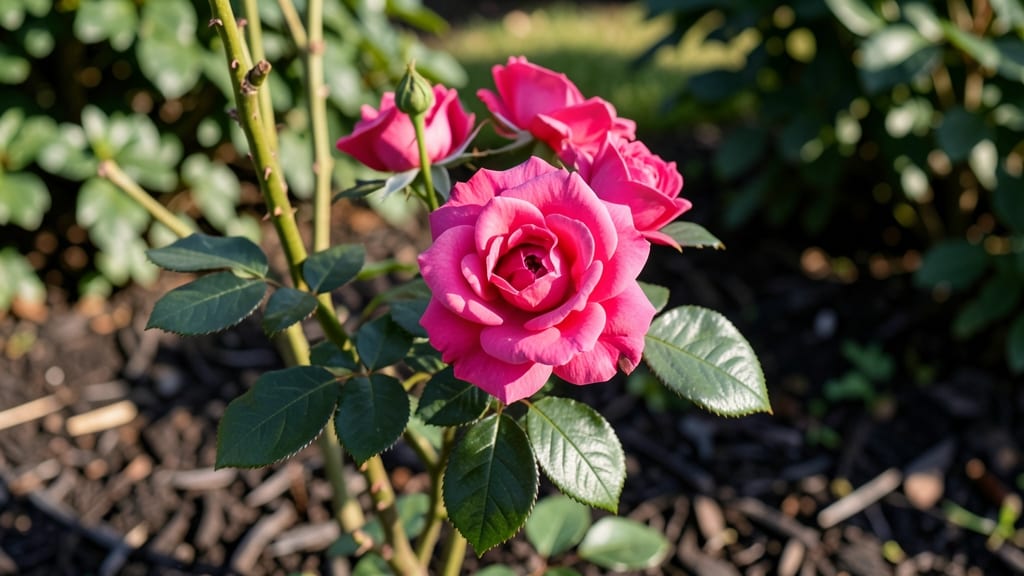
The Peggy Martin rose does bloom all summer, producing continuous flowers from late spring through fall (May-October), though the exact timing depends on your USDA hardiness zone and proper care practices. This rose's reblooming nature makes it a garden favorite.
The Peggy Martin rose earns its reputation as a summer-long performer thanks to its hybrid tea lineage, which combines the vigor of floribundas with the dramatic blooms of teas. 🌸 Unlike once-blooming roses, this variety produces fresh flowers in waves throughout warm months, creating a nonstop display when given the right conditions.
What sets it apart is its adaptability—whether you're in mild Zone 7 or cooler Zone 5, with strategic pruning and moisture management, you can coax it to bloom reliably from spring's first flush through autumn's last warmth.
This rose's extended flowering isn't just about timing—it's about creating the ideal growing environment. The key factors are consistent moisture (especially during heatwaves), regular feeding with balanced fertilizer, and strategic pruning to remove spent blooms while maintaining an open canopy for airflow.
In my experience, gardeners in Zone 8 often see nearly continuous blooms, while those in Zone 6 might need to protect the plant from early frosts to preserve the fall display.
💡 In This Article
- Peggy Martin Rose Blooming Seasons by USDA Hardiness Zones
- Maximizing Peggy Martin Rose Blooms: Pruning and Care Tips
Peggy Martin rose blooming seasons by USDA hardiness Zones
The Peggy Martin rose's summer-long blooming habit is directly tied to your USDA hardiness zone, which determines both the start and duration of its flowering cycles.
In Zones 7-10, this rose typically begins blooming in late May to early June and continues through September or October, with some late blooms persisting until the first hard frost.
The warmer climate allows for longer growing seasons and fewer dormancy triggers. 🌿 In contrast, gardeners in Zones 5-6 often see blooming start slightly later (June) and may experience a shorter fall display unless protected from early frosts.
The science behind this zone-based timing involves photoperiodism—the plant's response to daylight length—and chilling requirements. Peggy Martin roses need 10-15 hours of daylight to trigger flowering, which explains why blooming peaks in summer when days are longest.
However, in Zones 3-4, the plant may require additional winter chilling (300-500 hours below 45°F) to break dormancy properly, which can delay the first spring flush by 2-3 weeks compared to warmer zones.
Heat tolerance also plays a crucial role. This rose can handle up to 95°F with proper hydration, but prolonged heatwaves above 100°F can cause buds to drop.
In Zones 8-10, where summer temperatures remain consistently warm, the plant often enters a natural semi-dormancy during the hottest months, which is why you might notice fewer blooms in July-August unless you provide afternoon shade and extra water.
This mid-summer lull is normal and not a sign of poor health.
Frost sensitivity becomes critical in Zones 5-6, where the first hard frost (below 28°F) can damage buds and foliage. To extend the blooming season in these areas, gardeners often use row covers or mulch to protect the plant.
Interestingly, the Peggy Martin rose's hybrid tea background gives it slightly more frost tolerance than many floribundas, allowing it to rebound quickly after cold snaps when compared to varieties like 'Knock Out' roses.
What most gardeners don't realize is that humidity levels also affect blooming patterns. In Zones 9-10, high humidity can promote fungal diseases that stress the plant, reducing flower production.
This is why you'll see more consistent blooms in Zone 8's Mediterranean climates—the combination of warm days, cool nights, and moderate humidity creates ideal conditions for continuous flowering. 🌸 The same care principles apply across zones, but the timing and intensity of blooms will vary based on these climatic factors.
For those in Zones 3-4, the challenge is creating microclimates that mimic warmer conditions. Using black plastic mulch or heat-absorbing bricks near the base can raise soil temperatures by 5-10°F, helping to extend the growing season.
In my own garden in Zone 5, I've found that planting near a south-facing wall adds an extra 2-3 weeks of blooming time by protecting the plant from cold winds and reflecting sunlight.