
Blooming
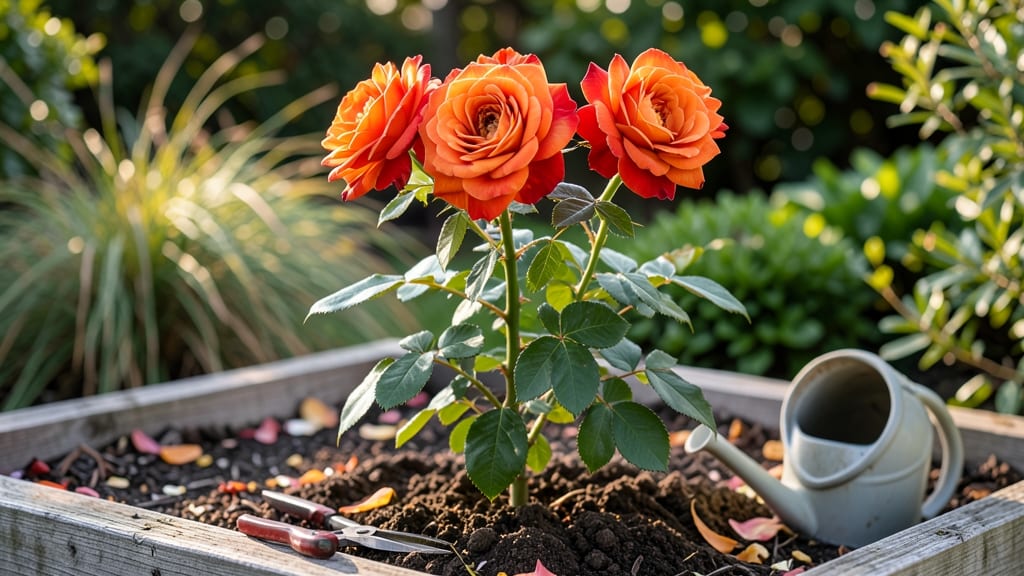
Nothing says "summer romance" like Dolly Parton's rose with its orange-red blossoms that smell like sunshine and nostalgia. 🌸 These fragrant vines aren’t just pretty—they’re the star of any garden border, cottage garden, or even a dramatic container display.
I planted mine last spring, and by July, they were covered in blooms that turned every walk through the yard into a stroll through a Southern garden party.
This rose thrives in full sun to partial shade and handles most soils, though it rewards you best with rich, well-draining soil and regular watering. The blooms keep coming from late spring through fall, with occasional winter blooms if your climate is mild.
Pair it with lavender, catmint, or salvia for a color palette that pops, or let it climb a trellis for a vertical showstopper.
Pruning is the secret to keeping those bold orange-red blooms coming thick and fast. Cut back spent flowers regularly, and do a light prune in early spring to encourage fresh growth.
The fragrance alone makes it worth the effort—imagine that sweet, spicy scent wafting through your garden on a warm afternoon.
Perfect for cutting gardens, mixed borders, or even as a standalone specimen. With the right care, your Dolly Parton roses will be the talk of the neighborhood—and the envy of every gardener who’s ever wished for a little more drama in their flowerbeds.
📚 In This Guide
- What you need
- Instructions
- Tips and common mistakes
- Wrapping up and next steps
What you need
- ● Rose bushes (varieties like Dolly Parton, Knock Out®, or Earth-Kind® roses—ensure they’re disease-resistant and thrive in your climate zone). Quantity: 1-3 plants (depending on desired coverage).
- ● Well-draining potting soil (or garden soil amended with compost—aim for a mix of 60% topsoil, 30% compost, and 10% perlite/sand). Quantity: 5-10 gallons per plant.
- ● Organic rose fertilizer (balanced 10-10-10 or rose-specific formula with micronutrients). Quantity: 1 lb per plant (sprinkle lightly at planting and monthly during growing season).
- ● Mulch (wood chips, straw, or shredded bark to retain moisture and suppress weeds). Quantity: 2-3 inches, spread in a 2-foot radius around the base.
- ● Trellis, arbor, or sturdy stakes (for climbing varieties—opt for galvanized metal or treated wood, 6-8 feet tall). Quantity: 1 per plant (or shared if planting in a row).
- ● Garden trowel or spade (for digging planting holes—12-18 inches wide and deep).
- ● Pruning shears (sterilized with rubbing alcohol to prevent disease).
- ● Watering can or hose with adjustable nozzle (gentle watering is key—avoid soaking the foliage).
- ● Gloves (heavy-duty for handling thorns and soil).
- ● Sunlight access (6+ hours of direct sun daily—partial shade in hot climates).
- ● pH test kit (ideal soil pH: 6.0–6.5; amend with lime or sulfur if needed).
- ● Rose food tablets (slow-release granules for extra nutrients).
- ● Epsom salt (1 tbsp/month in water for magnesium boost).
- ● Drip irrigation system (automates watering and reduces fungal risks).
- ● Rose-specific fungicide (preventative spray for powdery mildew or black spot).
- ● Decorative stakes or ribbons (to tie vines and add a Dolly-inspired flair!).
Step-by-step guide to growing Dolly Parton's rose orange-red blossoms
Here's how to cultivate these fragrant, bold roses with year-round color—just like Dolly’s signature charm.
🌱 Step 1: Select the Perfect Planting Site
Choose a location with full sun exposure (6-8 hours daily) and well-draining soil. Dolly Parton roses thrive in slightly acidic to neutral soil with a pH between 6.0 and 7.0. If your soil is heavy clay, amend it with 2-3 inches of compost mixed into the top 12 inches of soil to improve drainage and fertility.
These roses love warmth but can tolerate mild winters in USDA zones 5-10. If you're in a colder zone, plant them against a south-facing wall or fence for extra winter protection. Dig a hole twice as wide as the root ball but no deeper—planting too deep suffocates the roots and prevents proper airflow.
🪴 Step 2: Plant with Care for Strong Root Establishment
Remove the rose from its container and loosen any circling roots gently with your fingers. Place the rose in the hole so the graft union (swollen bump near the base) sits 2-3 inches below soil level. This ensures the plant develops strong roots above ground while protecting it from cold snaps.
Backfill the hole with native soil mixed with 1 cup of bone meal for phosphorus—this boosts root growth and flower production. Water deeply to settle the soil and eliminate air pockets. Mulch around the base with 2-3 inches of organic mulch (like shredded bark), keeping it 6 inches away from the stem to prevent rot.
☀️ Step 3: Provide Consistent Water and Prune for Abundant Blooms
Water deeply once a week (or more in extreme heat) to encourage deep root growth. These roses need 1-1.5 inches of water per week, but avoid overhead watering—it spreads disease. Instead, use a soaker hose or drip irrigation at the base. You’ll know moisture is right when the top 2 inches of soil feel damp but not soggy.
Prune in early spring (before new growth starts) to shape the bush and encourage dense, fragrant blooms. Remove dead, diseased, or crossing branches first, then cut back remaining stems by one-third to promote bushier growth. For continuous blooms, deadhead spent flowers weekly—snip just above a 5-leaflet leaf to redirect energy into new blossoms.
✂️ Step 4: Fertilize for Vibrant Orange-Red Color and Fragrance
Feed roses every 4-6 weeks during the growing season (spring through fall) with a balanced rose fertilizer (10-10-10). For extra vibrancy, mix in 1 tablespoon of Epsom salt per gallon of water monthly—magnesium boosts red pigmentation and fragrance. Apply fertilizer after watering to prevent root burn.
In late fall, switch to a low-nitrogen, high-phosphorus fertilizer to strengthen roots for winter. Stop fertilizing 6-8 weeks before your first frost—this lets the plant harden off naturally. Over-fertilizing in late summer leads to tender new growth that won’t survive cold snaps.
🌿 Step 5: Protect and Maintain for Year-Round Beauty
In winter, mound 4-6 inches of mulch around the base of the rose to insulate roots from freezing temperatures. If your area gets below 0°F, wrap the bush loosely with burlap or a rose cone to shield it from wind and snow. Remove protective coverings in early spring once new growth appears.
Watch for black spot or powdery mildew—common rose pests. At the first sign of disease (yellow spots or white powder), spray with a neem oil solution (1 tablespoon per gallon of water). For pests like aphids, blast them off with a strong stream of water in the morning when they’re sluggish. Healthy roses with strong airflow stay disease-free naturally.
Tips & tricks for perfect Dolly Parton roses
These tried-and-true strategies will help you cultivate Dolly's signature roses with vibrant orange-red blooms and intoxicating fragrance all season long.
Soil Preparation Secret: Before planting, test your soil's pH using a simple kit from your garden center. Dolly Parton roses thrive best in slightly acidic to neutral soil (pH 6.0-7.0). If your soil tests higher than 7.0, amend with elemental sulfur (1 pound per 100 square feet) mixed into the top 6 inches of soil. This adjustment prevents nutrient deficiencies that can dull those signature orange-red hues and weaken fragrance. For heavy clay soils, create raised beds or mounds—this improves drainage while keeping roots warm, which these roses absolutely love.
The Graft Union Matters: When planting, position the graft union (that swollen bump near the base) 2-3 inches below soil level—this isn't just a suggestion, it's critical. This placement protects the graft from cold snaps while ensuring the plant develops strong roots above ground. I've seen gardeners bury it too deep, which suffocates the plant, or too shallow, which exposes it to frost damage. Think of it as the plant's "heart"—position it just right for maximum vigor and those signature Dolly Parton blooms.
Watering Wisdom: The 1-1.5 inches of water per week guideline is perfect, but timing matters just as much. Water in the early morning (between 6-9 AM) to allow foliage to dry completely during the day. This prevents fungal diseases like black spot that can ruin your roses' performance. For container-grown roses, check soil moisture daily—containers dry out much faster. And here's a pro move: use a moisture meter to verify the top 2 inches of soil are damp but not soggy before watering again.
Fertilizer Timing: When you switch to that low-nitrogen, high-phosphorus fertilizer in late fall, mark your calendar 6-8 weeks before your first frost—this is non-negotiable. The goal is to harden off the plant naturally. I've seen gardeners over-fertilize too late, resulting in tender new growth that gets fried by winter cold. Think of it like preparing for a big performance—you want your roses to be in peak condition but not over-caffeinated before the show.
Pro Tips for Dolly Parton Rose Orange-Red Blossoms
- These tried-and-true strategies will help you cultivate Dolly's signature roses with vibrant orange-red blooms and intoxicating fragrance all season long.
- Soil Preparation Secret: Before planting, test your soil's pH using a simple kit from your garden center.
- The Graft Union Matters: When planting, position the graft union (that swollen bump near the base) 2-3 inches below soil level—this isn't just a suggestion, it's critical.
Frequently asked questions
Got questions about Dolly Parton’s iconic rose orange-red blossoms?
You’re not alone! Here are some of the most common queries—plus expert answers to help you grow (and enjoy) these stunning, fragrant vines like a pro.
What’s the best time of year to plant these roses?
Plant your Dolly Parton roses in early spring or fall when temperatures are mild (50–70°F). Avoid extreme heat or frost—roots need time to establish before heavy blooming. If planting in fall, do it at least 6–8 weeks before the first frost for best results.
How long does it take for these roses to bloom?
Patience pays off! With proper care, you can expect first blooms in 1–2 years after planting. Young vines focus on root growth first, but mature plants reward you with continuous blooms from spring to frost—just prune spent flowers to encourage more!
Do these roses need special watering?
Keep soil consistently moist but not soggy. Water deeply 2–3 times per week during dry spells (more in extreme heat). Mulch around the base to retain moisture, and avoid wetting the foliage to prevent fungal issues. Dolly Parton roses thrive with regular hydration!
Can I grow these roses in containers?
Choose a large container (at least 15–20 gallons) with drainage holes and use well-draining potting mix. Container-grown roses need more frequent watering and fertilizer (every 2–3 weeks). Place them in full sun (6+ hours/day) for best blooms.
What pests or diseases should I watch for?
Common issues include aphids, spider mites, and black spot fungus. Prevent pests with neem oil or insecticidal soap. For black spot, prune infected leaves immediately and apply fungicide. Healthy plants = fewer problems! Keep airflow good and avoid overhead watering.
How can I encourage bigger, brighter blooms?
Feed your roses with a balanced fertilizer (10-10-10) in early spring, then switch to a low-nitrogen, high-phosphorus formula (5-10-5) when buds form. Deadhead spent blooms regularly, and prune lightly in late winter to promote bushier growth.
Wrapping up and next steps
Dolly Parton’s rose orange-red blossoms aren’t just a burst of color—they’re a fragrant, low-maintenance masterpiece that brings joy from spring to frost! Whether you’re a gardening pro or a beginner, these vibrant vines offer endless charm with minimal fuss. 🌸
Ready to transform your garden? Start by planting a cutting or two this season—your future will thank you for the effortless beauty. And if you’re feeling inspired, why not share your progress with fellow plant lovers? Happy gardening! 🌱