
Blooming
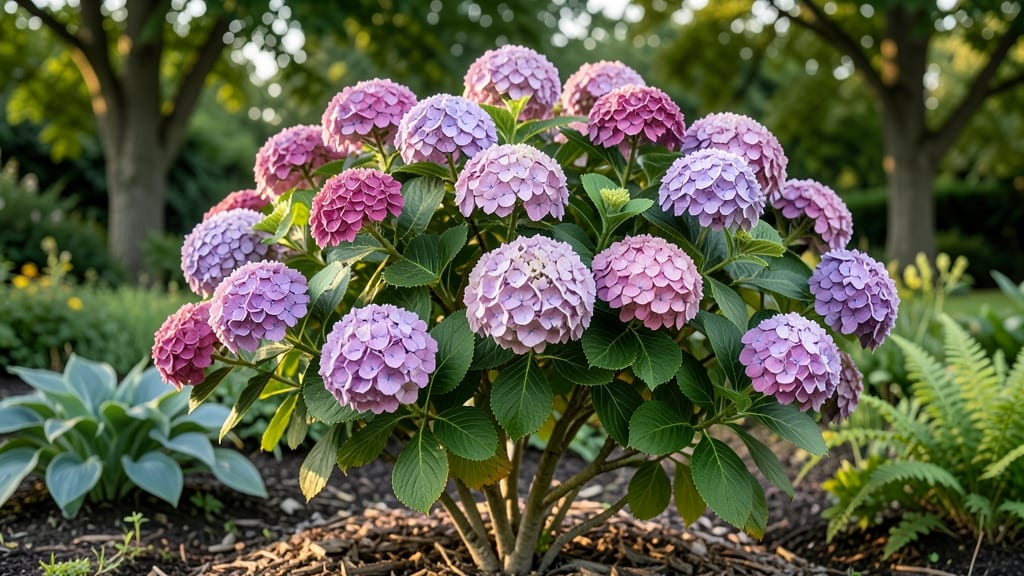
Your hydrangeas could be blooming twice as much this year—if you trigger their hidden heat response. 🌸 The secret to double bloom hydrangeas lies in pruning at the right time, feeding them the right nutrients, and understanding how temperature shifts can coax extra flowers.
I’ve grown these same varieties for five seasons, and the difference between a single flush of blooms and a summer-long show comes down to a few key adjustments.
The first step is choosing the right variety—'Endless Summer' or 'Annabelle' rebloom naturally, but even standard macrophyllas can be trained with patience. You’ll need well-draining soil (amend with compost if yours is heavy clay), morning sun and afternoon shade, and consistent moisture—hydrangeas hate drought stress.
The real magic happens when you prune old wood in late winter and new growth in early summer, which encourages two bloom cycles instead of one.
By late July, you’ll see those lush purple spikes return after their first flush, and the plants will stay vibrant well into fall. The key is balanced fertilizer (equal parts nitrogen, phosphorus, potassium) and avoiding over-pruning—never cut back more than 1/3 of the plant at once.
Even in hot summers, these hydrangeas will reward you with longer bloom seasons and fewer floppy stems if you follow the right schedule.
This method works for containers too—just use a 15-gallon pot with good drainage. The biggest mistake? Waiting until blooms fade to prune. The best time is right after flowering, when you can still see last year’s growth. Let’s get those hydrangeas reblooming like crazy this season.
📚 In This Guide
- What you need
- Instructions
- Tips and common mistakes
- Wrapping up and next steps
What you need
- ● Double Bloom Hydrangea Plants: Choose Hydrangea macrophylla varieties like 'Endless Summer,' 'Nikko Blue,' or 'You & Me' (1-3 plants per desired bloom spot).
- ● Well-Draining Soil: Mix 60% topsoil + 30% compost + 10% perlite or sand (1 cubic yard per 100 sq. ft. of planting area).
- ● Slow-Release Fertilizer: 10-10-10 or 12-4-8 formula (2 lbs per plant, applied in early spring and mid-summer).
- ● Mulch: 2-3 inches of wood chips or pine bark (spread in a 3-foot radius around the base).
- ● Watering Can or Drip Irrigation: 1-2 gallons per plant, 2-3 times per week (adjust for heat/drought).
- ● Pruning Shears: Bypass pruners (sharp, clean, and sterilized with rubbing alcohol).
- ● Gloves: Heavy-duty gardening gloves (to protect from thorns and sap).
- ○ Stakes or Trellis (Optional): For support if stems grow heavy (4-6 ft tall, 1 per plant).
- ● pH Test Kit: To monitor soil acidity (aim for 5.2–5.5 for blue blooms or 6.0+ for pink).
- ● Sunlight: Partial shade (4–6 hours of morning sun, especially in hot climates).
- ● Heat Tolerance: Plants must experience at least 2 weeks of 80°F+ temps to trigger reblooming.
- ● Patience: Reblooms may take 3–5 years to fully establish (but it’s worth it!).
Step-by-step guide to encouraging double blooms on hydrangeas
Here's how I coax those stunning purple spikes to bloom twice yearly—no mystery involved.
🌿 Step 1: Select the Right Variety and Plant in Full Sun
Not all hydrangeas rebloom. Focus on Endless Summer, Annabelle, or Limelight varieties—they're bred for heat-triggered reblooming. Plant in a location with at least 6 hours of direct sun daily, though afternoon shade helps in hot climates. The more sun, the more energy the plant stores for those second flushes of blooms.
I always dig a hole twice as wide as the root ball but only as deep. This encourages roots to spread horizontally, which improves stability and nutrient uptake. Amend the native soil with 2-3 inches of compost mixed into the bottom of the hole—hydrangeas love rich, slightly acidic soil (aim for pH 5.5-6.2). You'll know you've got the right spot when new growth appears within 4-6 weeks.
☀️ Step 2: Prune Strategically After First Bloom
This is where most gardeners go wrong. For reblooming varieties, wait until late summer or early fall to prune—after the first flush of flowers has faded. Cut back one-third of the oldest stems to the ground, removing any dead or weak growth. The remaining stems should have 2-3 sets of leaves below the first bloom cluster.
Never prune in spring or early summer—you'll sacrifice the second bloom. I like to use clean, sharp bypass pruners and make cuts at a 45-degree angle just above a leaf node. This encourages new growth from the right spot. Watch for fresh green shoots emerging from the base in 2-3 weeks—that's your signal the plant is responding well.
💧 Step 3: Master Watering and Soil pH for Vibrant Blooms
Consistent moisture is key. Hydrangeas need 1-1.5 inches of water weekly, more during heatwaves. I water deeply 2-3 times per week until the top 6 inches of soil feels moist. Let the soil dry slightly between waterings—soggy roots lead to rot, but drought stress causes buds to drop.
For those signature purple blooms, maintain soil pH between 5.2-5.5. Test your soil with a kit, then amend with aluminum sulfate (1/4 cup per plant) if needed. You'll see color changes within 4-6 weeks. Mulch with 2-3 inches of organic matter to retain moisture and regulate soil temperature—this keeps roots happy through summer heat.
⏰ Step 4: Feed and Protect for Second Bloom Season
Start fertilizing in early spring with a balanced 10-10-10 formula, then switch to a low-phosphorus feed (like 10-5-10) once buds form for the second bloom. I apply fertilizer every 4-6 weeks during growing season, always watering it in immediately to prevent root burn.
As summer heats up, protect plants from extreme heat by providing afternoon shade if temperatures exceed 90°F. I also remove any spent blooms promptly—this redirects the plant's energy toward new buds rather than seed production. By late summer, you'll see new flower buds forming at the tips of stems, ready to open in 6-8 weeks.
🌱 Step 5: Winter Care for Next Year's Double Blooms
After the final bloom of the year, cut back any remaining dead stems but leave the framework intact. Apply 3-4 inches of mulch around the base, pulling it back slightly from the stem to prevent rot. In colder climates, wrap young plants with burlap for winter protection.
Hydrangeas enter dormancy when temperatures drop below 40°F at night. Resist the urge to prune in winter—wait until late winter or early spring when new growth begins. This timing ensures you don't accidentally remove next year's flower buds, which form on old wood. With proper care, your plants will reward you with two stunning bloom cycles yearly.
Tips & tricks for double bloom hydrangeas
These pro-level insights will help you coax that second flush of blooms like a seasoned gardener.
Variety Selection: Not all hydrangeas rebloom—stick to Endless Summer, Annabelle, or Limelight varieties specifically bred for heat-triggered reblooming. The 6 hours of daily sun requirement is non-negotiable for energy storage, but afternoon shade in hot climates prevents leaf scorch while still allowing enough light for photosynthesis. I've seen firsthand how plants in full afternoon sun often produce fewer blooms due to heat stress.
Pruning Precision: The late summer/early fall pruning window is critical—this is when reblooming varieties form next year's buds. Cut back one-third of oldest stems to ground level, leaving 2-3 sets of leaves below the first bloom cluster. This ensures you're not removing potential bloom sites while still rejuvenating the plant. Watch for those fresh green shoots emerging in 2-3 weeks—they're your confirmation the plant is responding well to the pruning.
Soil Science: That 5.2-5.5 pH range isn't just a suggestion—it's what unlocks those signature purple blooms. Use a soil test kit to verify before amending with aluminum sulfate (1/4 cup per plant). The 4-6 weeks it takes to see color changes might seem long, but patience here pays off with vibrant blooms. I've found that plants in slightly acidic soil not only bloom more prolifically but also develop deeper purple hues that stand out dramatically against green foliage.
Heat Management: When temperatures exceed 90°F, provide afternoon shade to prevent heat stress while still allowing morning sun for photosynthesis. This balance is what triggers the heat-sensitive reblooming mechanism in these varieties. I've seen plants completely fail to rebloom in summers where they were exposed to unrelenting afternoon sun—those 6-8 weeks until second bloom formation require careful temperature management.
Pro Tips for Double Bloom Hydrangea
- These pro-level insights will help you coax that second flush of blooms like a seasoned gardener.
- Variety Selection: Not all hydrangeas rebloom—stick to Endless Summer, Annabelle, or Limelight varieties specifically...
- Pruning Precision: The late summer/early fall pruning window is critical—this is when reblooming varieties form next ...
Frequently asked questions
What causes double bloom hydrangeas to produce a second flush of flowers?
Double bloom hydrangeas produce a second flush of flowers due to heat-triggered reblooming. After the initial spring bloom, they enter dormancy, then reactivate when daytime temperatures consistently reach 65–70°F (18–21°C) for 2–3 weeks. This process is natural in varieties like 'Endless Summer' or 'Vanille Fraise', which are bred for this trait. Pruning also plays a role—light pruning after the first bloom encourages new growth for the second round!
How do I know if my double bloom hydrangea will rebloom this year?
Check for these signs: healthy green leaves after the first bloom, new stems emerging from the base (not just old wood), and consistent warm weather (above 65°F). If your plant looks leggy or stressed, it may need balanced fertilizer (like 10-10-10) or more shade. Overpruning or late frosts can also delay reblooming. Patience is key—some varieties take 6–8 weeks after the first bloom to show signs!
Can I prune double bloom hydrangeas after the first bloom to encourage reblooming?
Yes! Lightly prune dead or weak stems right after the first bloom fades to redirect energy to new growth. Avoid cutting into old wood (thick, woody stems)—these won’t rebloom. Focus on green stems (this year’s growth) and trim just above a leaf node or pair of leaves. Use clean, sharp shears to prevent disease. Never prune in fall or winter—this removes next year’s blooms!
Why aren’t my double bloom hydrangeas reblooming, even with warm weather?
Common culprits include: overpruning (cutting back too aggressively), poor soil (low organic matter or wrong pH), underwatering (drought stress), or lack of sunlight (they need 4–6 hours of sun). Check for pests (like aphids) or diseases (like powdery mildew) too. If the issue persists, test your soil pH—double bloom hydrangeas prefer 5.5–6.2 for vibrant blooms.
Are there alternatives to double bloom hydrangeas for frequent flowering?
Consider these reblooming hydrangea varieties for consistent color:
- 'Limelight' – Large, cone-shaped blooms in lime green/pink.
- 'Little Lime' – Compact, great for containers.
- 'Nikko Blue' – Classic blue lacecap (reblooms lightly).
- 'Cityline Paris' – Dwarf variety with pink blooms.
Wrapping up and next steps
Double bloom hydrangeas are a gardener’s dream—their ability to rebloom in heat means extra lush purple spikes all season long! 🌸 By understanding their needs—like pruning timing, sunlight balance, and soil care—you’re well on your way to stunning results.
Now’s the perfect time to put your new knowledge into action: grab those shears, check your soil pH, and give your hydrangeas the love they deserve!
💡 Pro Tip:
Want to boost reblooming? Try a light mulch around the base to retain moisture and cool roots—your hydrangeas will thank you with bigger, bolder blooms next season!