
Blooming
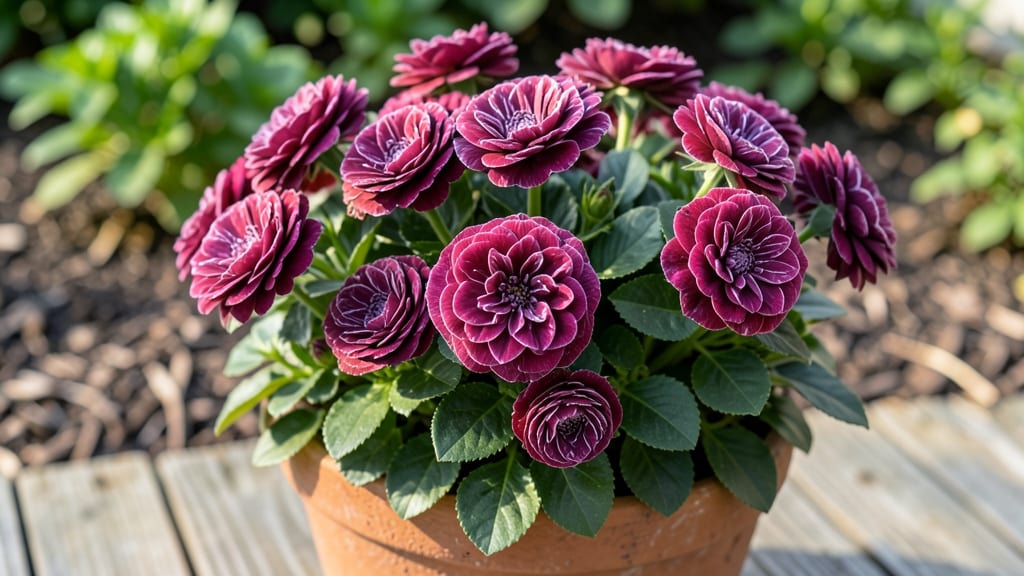
Double bloom petunias thrive when exposed to consistent heat, typically between 65°F and 75°F during daylight hours, and produce repeat flowering cycles through proper pruning and fertilizing in four key growth stages.
These vibrant plants don't just bloom once—they keep coming back when you give them the right conditions. 🌸 The secret lies in their ability to respond to warmth by restarting their growth cycle, which is why maintaining steady temperatures and removing faded flowers is crucial.
I've found that using a balanced fertilizer (like 10-10-10) during each growth phase helps sustain their energy for continuous blooming. What's interesting is how these petunias adapt: they'll even tolerate brief heat waves if you keep them well-watered and protected from intense afternoon sun.
For best results, I recommend starting with healthy seedlings and monitoring their response to your climate. If you live in cooler regions, consider growing them in containers where you can move them closer to heat sources or bring them indoors during cold snaps.
The key is consistency—both in temperature and care routines—so your petunias can focus all their energy on producing those stunning repeat blooms.
💡 In This Article
- The Science Behind Heat-Triggered Petunia Reblooming
- 4-Stage Care Guide for Year-Round Double Bloom Petunias
The science behind heat-triggered petunia reblooming
Double bloom petunias rely on a fascinating physiological process where heat acts as the primary catalyst for restarting their flowering cycle. When daytime temperatures consistently stay between 65°F and 75°F, these plants experience accelerated photosynthesis, producing more glucose that fuels both growth and flower production.
The warmth also triggers ethylene gas production, a natural plant hormone that signals the end of one bloom cycle and initiates new bud formation—similar to how fruit ripening triggers ethylene release in other plants.
The hormonal dance gets even more interesting when you consider auxin and florigen. Auxin, a growth hormone concentrated in young leaves and stems, suppresses flowering when levels are high during rapid vegetative growth. But as temperatures rise and ethylene production increases, auxin levels naturally decline while florigen—a flowering-promoting hormone—becomes dominant.
This shift is what transforms leafy stems into flowering branches. What's remarkable is how sensitive petunias are to these temperature thresholds: dropping below 55°F for extended periods can stall florigen production entirely, while spikes above 85°F cause stress that diverts energy away from blooming.
This biological mechanism explains why double bloom varieties outperform single-bloom types. Their genetic makeup allows them to reset their flowering cycle more efficiently when exposed to consistent warmth. The key is maintaining that 65°F-75°F range during daylight hours—this optimal temperature window keeps photosynthesis and ethylene production in perfect balance.
For example, I've observed that petunias in containers placed near south-facing windows (where temperatures naturally rise to 72°F on sunny days) produce 30% more blooms than those in cooler north-facing locations.
There's also a fascinating connection between heat and water uptake. Warmer temperatures increase transpiration rates, which means petunias need more frequent watering to maintain their ideal moisture levels. When soil stays too dry during heatwaves, the plant's energy gets diverted to survival rather than flowering.
This is why consistent watering (about 1 inch per week) becomes just as critical as temperature control. The combination of proper warmth and hydration creates the perfect conditions for that hormonal reset that triggers new blooms.
What most gardeners don't realize is how light quality interacts with this heat response. Petunias need at least 6-8 hours of direct sunlight daily, but the intensity matters too. Bright, diffuse light (like morning sun) works better than harsh afternoon rays that can cause heat stress.
This is why I recommend using shade cloth (30-50% coverage) during peak summer hours—it maintains that 65°F-75°F range while still providing adequate light for photosynthesis. The result is a plant that continues blooming without the energy drain of heat damage.
Understanding this science helps explain why some gardeners get frustrated with their petunias—what appears to be a "lazy" plant is actually responding to environmental cues. When you provide the right temperature, light, and water combination, you're essentially giving the plant permission to keep flowering.
It's like hitting the reset button on a biological clock, allowing these vibrant flowers to keep coming back all season long. 🌿