
Shrubs
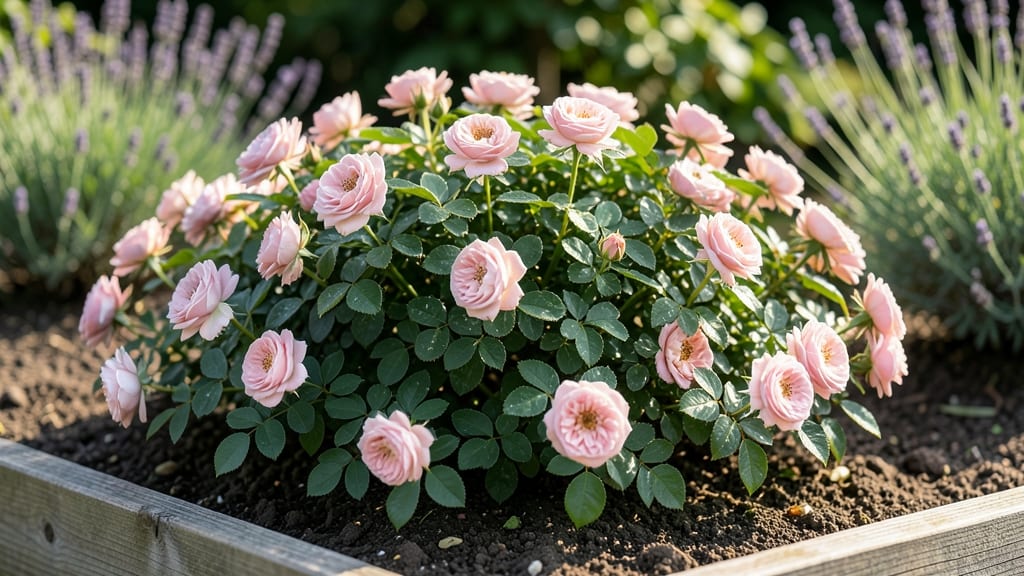
Growing dwarf rose bushes in containers lets you enjoy fragrant blooms without the space. 🌹 These compact varieties pack all the romance of traditional roses into pots just 18-24 inches tall, perfect for patios, balconies, or even sunny windowsills.
The secret to their success is consistent moisture—never let the soil dry out completely—and bright morning sun for at least 6 hours daily. Most varieties thrive in well-draining potting mix with added compost, and their shallow roots make them ideal for container life.
By late spring, you'll be rewarded with clusters of blooms that last from early summer through fall. The key is regular deadheading (removing spent flowers) to encourage more blossoms, and a balanced fertilizer every 4-6 weeks during the growing season.
Whether you're a beginner or a seasoned gardener, dwarf roses deliver low-maintenance beauty with high-impact results. Let's get those containers planted!
📚 In This Guide
- What you need
- Instructions
- Tips and common mistakes
- Wrapping up and next steps
What you need
- ● Dwarf rose bush: Choose a variety suited for containers (e.g., ‘Knock Out®’, ‘Playboy’, or ‘Fairy’ roses). Buy 1–3 bare-root or potted plants from a nursery.
- ● Container or planting spot: For containers: A 5–15 gallon pot (minimum 12" deep) with drainage holes. Terracotta or fiberglass works best.
- ● For ground planting: A well-draining spot with 6+ hours of sunlight daily.
- ● High-quality potting mix: 1 bag (1–2 cubic feet) of well-draining mix (e.g., 60% potting soil, 30% perlite, 10% compost). Avoid garden soil—it compacts!
- ● Slow-release fertilizer: 1–2 cups of rose-specific granules (e.g., 10-10-10 NPK) or organic options like fish emulsion.
- ● Mulch: 2–3 inches of pine bark, straw, or shredded leaves to retain moisture.
- ● Required: Trowel or small shovel
- ● Gloves (to protect from thorns!)
- ● Watering can or hose with a gentle nozzle
- ○ Optional (but helpful!): Pruning shears (for shaping)
- ● Rose food (liquid or spray)
- ● Support stake or tomato cage (for climbing varieties)
- ● pH testing kit (to check soil acidity, ideal: 6.0–6.5)
- ● Know your USDA Hardiness Zone (dwarf roses thrive in Zones 4–10; check here).
- ● Plan for seasonal care: Spring: Prune dead wood, fertilize.
- ● Summer: Water deeply 2–3x/week.
- ● Fall: Reduce watering, add mulch.
- ● Patience! Dwarf roses may take 2–3 years to reach full bloom potential.
Step-by-Step instructions for growing dwarf roses in containers
Here's how to cultivate vibrant, compact roses that thrive in limited spaces with minimal fuss.
🪴 Step 1: Select the Right Container and Drainage
Choose a container at least 12-15 inches deep with multiple drainage holes—dwarf roses need room for roots but hate soggy feet. I prefer terra cotta pots because they breathe and help regulate soil moisture. If your container lacks drainage, drill holes in the bottom and line with a broken pottery shard to prevent soil loss.
Position your pot where it will receive 6-8 hours of direct sunlight daily. South-facing windows or balconies work best, but if you're limited to shade, opt for lighter-colored roses that tolerate partial sun. The key is avoiding afternoon shade, which causes weak stems and sparse blooms.
🌱 Step 2: Prepare Soil and Plant Your Dwarf Rose
Fill the container with a mix of high-quality potting soil and perlite or sand (20% perlite) to ensure proper drainage. Avoid garden soil—it compacts in containers and suffocates roots. Gently loosen the roots of your bare-root rose if planting in early spring, then position it so the graft union sits 1-2 inches below soil level.
Backfill with soil, pressing lightly to remove air pockets but avoiding compaction. Water deeply until it runs freely from the drainage holes, then let excess water drain away completely. This initial soaking helps settle the soil and eliminates air gaps that could stress the roots.
☀️ Step 3: Establish a Watering and Fertilizing Routine
Water your dwarf rose when the top inch of soil feels dry to the touch, typically every 2-3 days in warm weather. Overwatering is the fastest way to kill container roses—yellowing leaves or wilting despite damp soil signals root rot. I like to water in the morning so foliage dries quickly, reducing fungal risks.
Feed with a balanced rose fertilizer (10-10-10) every 4-6 weeks during the growing season (spring to fall). Look for blooms to signal it's time to fertilize again. In winter, reduce feeding to once every 8-12 weeks unless your climate stays mild year-round.
✂️ Step 4: Prune for Health and More Blooms
Prune your dwarf rose in early spring by removing 1/3 of the oldest canes at the base, then cutting back remaining stems by 1/3 their length. Always cut just above an outward-facing bud to encourage bushier growth. Deadhead spent blooms regularly to redirect energy into new flowers rather than seed production.
Watch for signs of stress like blackened canes (prune immediately below the damage) or yellowing leaves (check for aphids or powdery mildew). A sharp pair of pruners dipped in rubbing alcohol between cuts keeps infections at bay. Prune lightly in late summer to allow new growth to harden off before winter.
🌿 Step 5: Winterize for Container Success
As temperatures drop below 40°F, move your container to a sheltered location like a garage or under an eave. Wrap the pot in bubble wrap or burlap to insulate roots, but leave the top open for airflow. Water sparingly—just enough to keep soil from drying completely, as container soil freezes faster than in-ground soil.
In spring, resume regular care when new growth appears. You'll know your rose survived winter when fresh buds form at the tips of canes. This annual winter prep ensures your dwarf rose returns year after year with the same compact beauty and abundant blooms.
Tips & tricks for perfect dwarf rose bush care
Between us, these are the details that make all the difference between a struggling dwarf rose and one that bursts with blooms year after year.
Container Depth Matters: While the instructions specify 12-15 inches as the minimum depth, I've found that adding 2-3 inches of extra depth (up to 18 inches) gives roots more room to establish without needing repotting as often. This is especially helpful if you're growing larger dwarf varieties. The key is ensuring the extra space doesn't compromise drainage—always maintain those drainage holes at the bottom.
Sunlight Strategy for Small Spaces: In Step 1, the instructions mention 6-8 hours of direct sunlight, but here's what nobody tells you: Rotate your container quarter-turn every 2-3 weeks to ensure even growth. Dwarf roses grown in containers can develop lopsided growth if they're always facing the same direction. This simple rotation keeps your rose compact and symmetrical while maximizing bloom production.
Soil Mix Secrets: The 20% perlite or sand ratio in Step 2 is perfect, but I've had the most success with a 10% addition of worm castings mixed into that soil. This boosts microbial activity without altering drainage. For the first watering after planting, I add a 1 tablespoon of mycorrhizal fungi powder to the water—it helps roots establish symbiotic relationships that improve nutrient uptake.
Winter Survival Hack: When temperatures drop below 40°F in Step 5, I take an extra precaution: I place a layer of straw mulch (2-3 inches) around the base of the plant, not just wrapping the pot. This creates an insulating barrier that protects the soil from extreme temperature fluctuations. Just be sure to remove it in spring before new growth appears to prevent rot.
Pro Tips for Dwarf Rose Bush
- Between us, these are the details that make all the difference between a struggling dwarf rose and one that bursts with blooms year after year.
- This is especially helpful if you're growing larger dwarf varieties.
- Sunlight Strategy for Small Spaces: In Step 1, the instructions mention 6-8 hours of direct sunlight, but here's what nobody tells you: Rotate your container quarter-turn every 2-3 weeks to ensure even growth.
Frequently asked questions
Got questions about keeping your dwarf rose bush happy and blooming? Here are some of the most common ones—plus quick answers to save you time and stress!
How often should I water my dwarf rose bush?
Water your dwarf rose bush deeply 1-2 times per week, depending on your climate. Containers dry out faster than garden soil, so check the top inch of soil—if it’s dry, it’s time to water. Pro tip: Avoid wetting the leaves to prevent fungal diseases like black spot.
When is the best time to prune my dwarf rose bush?
Prune your dwarf rose bush twice a year: in late winter or early spring (before new growth starts) to shape it, and again right after the first bloom to encourage more flowers. Use clean, sharp pruners and remove dead, crossing, or weak stems.
Can I grow a dwarf rose bush in a pot all year?
Yes! Dwarf roses thrive in containers, but they need well-draining soil and a pot at least 12-15 inches deep. In winter, move pots indoors or to a sheltered spot if temps drop below 20°F (-7°C). Use a lightweight potting mix with perlite or sand for best results.
Why aren’t my dwarf roses blooming?
Poor blooms often mean too much shade, over-fertilizing with nitrogen, or not enough pruning. Ensure your bush gets 6+ hours of sunlight daily, use a balanced rose fertilizer (like 10-10-10), and prune regularly. Bonus tip: Deadhead spent blooms to encourage more flowers!
What are some low-maintenance alternatives to dwarf roses?
If dwarf roses seem high-maintenance, try these compact, easy-care shrubs:
- Dwarf Butterfly Bush (hardy, pollinator-friendly)
- Boxwood (evergreen, great for hedges)
- Dwarf Hydrangea (colorful, thrives in shade)
- Lantana (drought-tolerant, blooms all summer)
Wrapping up and next steps
Growing a dwarf rose bush is a rewarding way to add vibrant color to your space—whether in a cozy container or a small garden corner.
With the right soil, sunlight, and care, these compact beauties thrive effortlessly, proving that big blooms don’t need big space! 🌸 Now that you’re armed with tips and tricks, roll up your sleeves and give it a try—your future roses will thank you.
Ready to plant? Start small: pick your favorite variety, grab a pot, and let nature do the rest. Happy gardening! 🌱