
Pruning
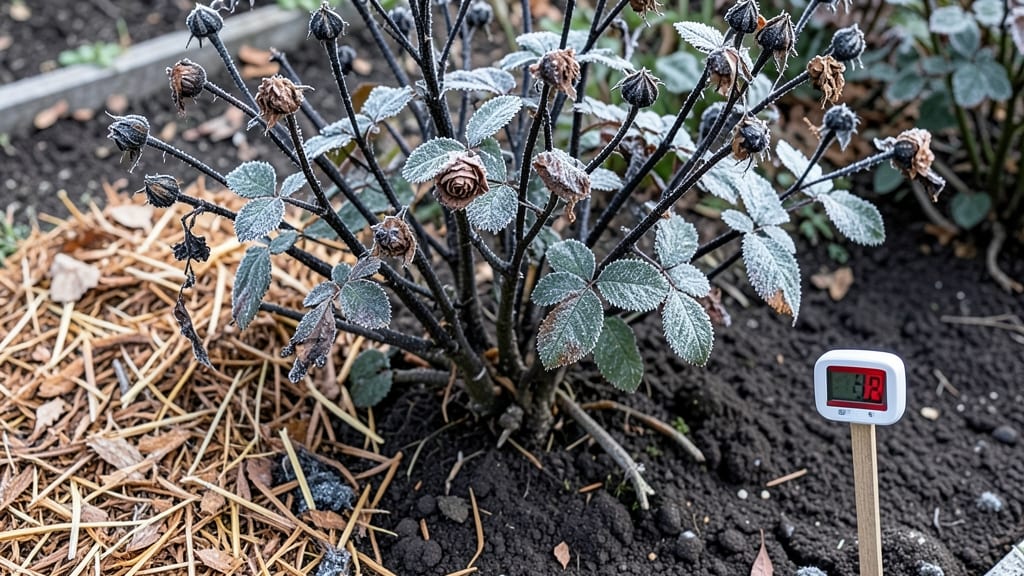
See those frost-damaged roses with their blackened stems? They’re not beyond saving—just waiting for the right touch. ✂️ I’ve nursed back more frost-bitten roses than I’d like to admit, and the secret to revival isn’t complicated: it’s about timing, cuts, and giving the plant a fighting chance.
What looks like total loss often just needs a strategic prune and a little patience to bounce back stronger than ever.
The first step is waiting until the ground thaws completely—rushing in with shears too soon can stress the plant further. Look for green buds hidden beneath the blackened wood; those are your clues that life still lingers.
Once you’ve identified them, cut back to just above the lowest healthy bud using clean, sharp pruners. This isn’t about drastic pruning—it’s about precision.
Within weeks, you’ll see new growth shooting from those green buds, often more vigorous than before. The key is keeping the plant well-watered and fertilized lightly to support recovery.
By mid-spring, your roses will be pushing out fresh canes, and with proper care, they’ll reward you with even more blooms than last year.
For next winter, focus on mulching deeply around the base and choosing cold-hardy varieties if your climate is particularly brutal. A little preparation now means fewer blackened stems later—and that’s a promise. Let’s get those roses back to their glory days.
Cold Weather’s Brutal Impact
Winter’s icy grip can turn vibrant roses into sad, blackened skeletons overnight. But why does frost damage roses so severely? The answer lies in how these delicate plants handle temperature drops—and where their biology fails under pressure. Let’s break down the science behind the suffering.
Roses thrive in 60–80°F (15–27°C) temperatures, but when frost hits, their cell walls become the first casualty. Here’s how it happens:
- Water Expands When Frozen: Inside rose stems and buds, water freezes and expands, tearing cell membranes like overinflated balloons. This ruptures the plant’s vascular system, cutting off nutrients and water flow. - Ice Crystals Form: Tiny ice crystals puncture vascular bundles (the plant’s "veins"), blocking sap transport.
Without water, tissues desiccate (dry out) from the inside, turning stems black and brittle. - Cell Death Spreads: As temperatures drop below 28°F (-2°C), irreversible damage occurs. Even if frost lifts, the plant may not recover because the cambium layer (growth tissue) is destroyed.
Pro Tip: 🌡️ Hardy rose varieties (like Rosa rugosa or Dr. Huey) survive better because their cells produce antifreeze proteins that lower freezing points. But most hybrid teas? Not so lucky.
You might assume frost alone is the villain, but wind chill accelerates damage by: - Removing Insulation: A still, cold night lets snow or mulch act as a natural blanket, slowing heat loss.
But windy conditions strip this protection, forcing roses to lose heat 3x faster. - Drying Out Buds: Wind evaporates moisture from buds, making them more susceptible to freeze-thaw cycles (when temps fluctuate above/below freezing).
This repeated stress cracks cell walls. - Exposing Weak Points: Roses with open canes (pruned too late in fall) or thin stems suffer more because wind whips delicate tissues, increasing surface area for frost penetration.
Actionable Fix: 🌿 Windbreaks (like burlap fences or evergreen hedges) reduce chill by 20–30%. Even a straw mulch ring around the base helps trap heat.
The worst offense? When frost melts and refreezes—like a cruel game of temperature tag.
Here’s why it’s deadly: - Thawing Expands Ice: As ice melts, water re-enters cells, but when temps drop again, it refreezes and shatters remaining intact cells. - Osmotic Shock: Cells that survived the first freeze swell with water during thaw, then collapse when refrozen.
This permanent damage turns stems mushy and black. - Fungal Entry Points: Cracked cell walls create open wounds, inviting black spot fungus (Diplocarpon rosae) to feast on weakened tissue.
Science Alert: 🔬 Studies show roses exposed to one freeze-thaw cycle have 50% more damage than those frozen steadily. Avoid pruning frost-damaged roses until temps stabilize above 50°F (10°C).
Not all roses are frost warriors. Hardiness zones (USDA’s climate classifications) dictate survival: - Zones 3–5: Roses like Knock Out or Explosion handle -30°F (-34°C).
Their buds have protective scales that insulate against cold. - Zones 6–9: Hybrid teas (David Austin, Earth-Kind) struggle below 20°F (-7°C) unless mulched deeply (6+ inches). - Late Fall Planting: Roses planted after September lack time to establish deep roots.
Shallow roots freeze faster because they’re exposed to air temps.
Zone Check: 📊 Know your zone! If you’re in Zone 7+, expect 20–25°F (-7 to -4°C) damage without protection. Zone 4? Even -10°F (-23°C) can blacken stems if unprepared.
Many gardeners skip critical fall/winter steps, leaving roses vulnerable: - No Mulch: Organic mulch (straw, leaves) insulates roots by 10–15°F (5–8°C).
Without it, roots freeze solid. - Over-Pruning: Cutting back too late removes protective woody stems that act as heat sinks, absorbing cold for the plant. - Wet Soil Before Frost: Soggy ground conducts cold 3x better than dry soil. Aerate and drain before winter to prevent root rot + freeze damage.
Last-Minute Save: ⏰ If frost hits unexpectedly, pile mulch high (8+ inches) and cover with burlap to trap 10°F (5°C) of warmth. Never use plastic—it traps moisture and amplifies cold.
Reviving Frost-Battered Roses
When frost turns your roses’ stems black and brittle, don’t toss them just yet! With the right steps, you can nurse them back to health—or even coax new growth from what seems lost.
Below, we’ll tackle the most common frost damage causes and pair them with practical fixes to restore your roses’ vibrancy. Plus, we’ll share prevention tips to keep future freezes from wreaking havoc.
Cause: Severe frost blackens stems by killing plant tissue, leaving them mushy or hollow. Fix:
- 🔪 Wait for Warmer Weather – Prune only after temperatures stay above freezing for at least 3 days. Cold snaps can re-damage fresh cuts.
- 📏 Trim to Healthy Growth – Use sterilized pruners to cut back to:
- Green stems (if any remain).
- Outward-facing buds (these encourage bushier growth).
- Just above a leaf node (where new shoots emerge).
- 🧹 Clean Up Debris – Remove all blackened stems and fallen leaves to prevent fungal infections.
Pro Tip: If your roses are completely blackened, don’t panic! Some varieties (like hardy Knock Out roses) can regrow from the base. Cut all the way down to the ground and monitor for new shoots in spring.
Cause: Light frost may not kill stems but can cause leaves to turn brown or buds to rot. Fix:
- 💦 Water Deeply (But Not Too Much) – Frost-stressed roses need moisture, but soggy soil invites rot. Water slowly at the base in the morning to reduce evaporation.
- 🌡️ Cover for Extra Protection – If another freeze is forecast, drape frost cloth or burlap over the plant (secure with stakes). Avoid plastic—it traps moisture and can scorch leaves.
- 🌿 Fertilize Lightly in Spring – Once growth resumes, feed with a balanced rose fertilizer (10-10-10) to boost recovery. Avoid high-nitrogen fertilizers too early—they encourage tender new growth that frost can kill.
Pro Tip: Mulch heavily (3–4 inches of straw or shredded leaves) around the base to insulate roots and retain moisture.
Cause: Frost can stunt growth by damaging the cambium layer (the plant’s growth engine). Fix:
- 🌿 Prune for Airflow – Thin out crowded canes to improve circulation, reducing stress on the plant.
- ☀️ Provide Aftercare Sun – Once temperatures stabilize, place a reflective mulch (like white plastic) near the base to bounce sunlight onto the roots, stimulating growth.
- 💊 Use a Root Stimulator – Apply a natural root booster (like seaweed extract or mycorrhizal fungi) to jumpstart recovery.
Pro Tip: If your roses are barely hanging on, try a bottom heat trick—bury a black plastic bottle (filled with warm water) near the roots. The slow release of heat can encourage root activity.
Once you’ve revived your roses, stop frost from ruining them again with these low-effort strategies:
| Prevention Tip | How to Do It |
|---|---|
| 🌡️ Plant Smart | Choose frost-hardy varieties (e.g., ‘Dr. Huey’, ‘The Fairy’, or ‘Iceberg’). |
| 🌿 Mulch Like a Pro | Use straw or pine needles (they insulate better than regular soil). |
| 🚰 Drainage is Key | Ensure pots or garden beds drain well—waterlogged roots freeze faster. |
| 🌿 Prune in Late Winter | Trim back 1/3 of the plant in February to reduce frost exposure. |
| 🌡️ Use a Mini Greenhouse | For container roses, move them to a garage or shed before hard freezes. |
Pro Tip: Monitor your local frost dates—many regions have microclimates. Check with local gardeners or extension offices for the last frost date in your area.
Final Thought: Frost damage doesn’t mean the end for your roses—it’s just a temporary setback. With the right care, they’ll bounce back stronger (and maybe even more resilient to future freezes). Happy pruning! 🌹✂️
Frequently asked questions
Can I still save roses with completely blackened stems?
Yes! Many roses can regrow from the base even when stems appear totally black. Cut all the way down to the ground and monitor for new green shoots in spring. Hardy varieties like Knock Out roses often bounce back stronger than before.
How do I know if frost damage is temporary or permanent?
Look for green buds hidden beneath blackened stems—these indicate life remains. If you see any green growth at all, the plant can recover. If stems are hollow and mushy with no green, the damage is likely permanent, and you may need to replace the plant.
When is the best time to prune frost-damaged roses?
Wait until temperatures stay above freezing for at least 3 days before pruning. Cold snaps can re-damage fresh cuts. Early spring (after last frost) is ideal—trim to outward-facing buds just above leaf nodes for best regrowth.
Will fertilizing help frost-damaged roses recover faster?
Not immediately! Avoid fertilizing until you see new growth in spring. Too much nitrogen too soon encourages tender shoots that frost can kill. Once growth resumes, use a balanced rose fertilizer (10-10-10) to support recovery.
Can I use plastic to protect roses from frost?
No—plastic actually makes frost damage worse! It traps moisture and creates a greenhouse effect that can scorch leaves. Use frost cloth or burlap instead, which allow airflow while trapping heat.