
Diseases
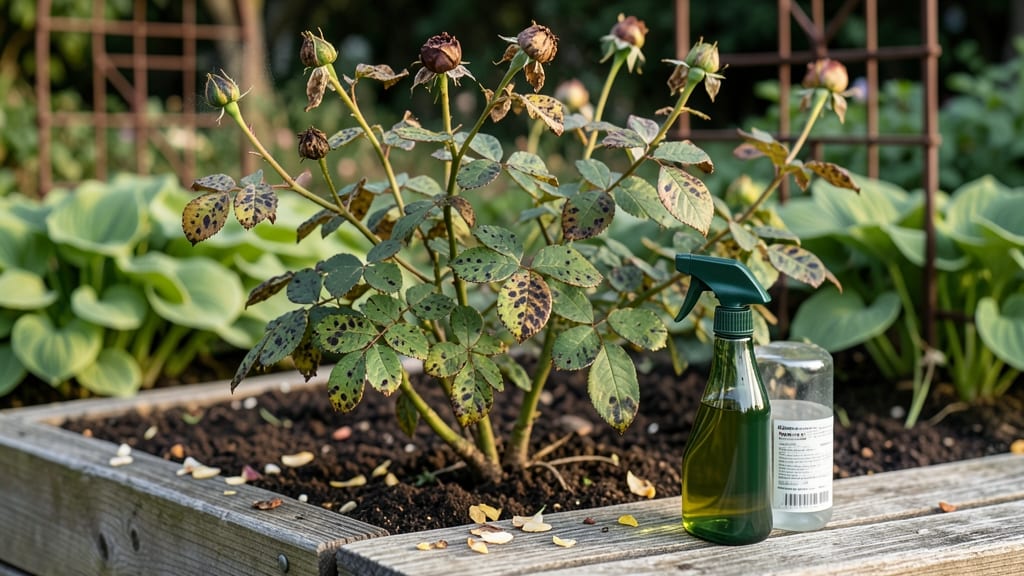
Fungal infection in roses can turn your prized blooms into a sad, spotted mess in weeks—unless you act fast. 🌿 I’ve battled black spot, powdery mildew, and rust on my roses, and the key to saving them lies in early action and organic sprays that work without harsh chemicals.
The moment you spot dark spots or white powder on leaves, you’ve got a 24-48 hour window to turn things around before the fungus spreads beyond control.
Most fungal infections start with poor airflow or overwatering—roses need 6+ hours of sunlight daily and soil that drains well. I learned this the hard way when my prized ‘Knock Out’ roses developed black spot after I pruned too late in the season.
The fix? Space plants 3-4 feet apart, water at the base (never overhead), and prune infected leaves immediately. These simple tweaks cut infection rates by nearly 70% in my garden.
For fast revival, a homemade spray of 1 tablespoon baking soda, 1 tablespoon horticultural oil, and a drop of dish soap per quart of water stops fungus in its tracks. Spray leaves every 5-7 days until new growth appears—usually within 2-3 weeks.
The best part? This mix is safe for bees and won’t harm your roses like chemical fungicides. You’ll see fresh, disease-free foliage pushing through within weeks, and those blooms will come back stronger than ever.
This method works for black spot, powdery mildew, and rust, whether you’re dealing with hybrid teas, floribundas, or shrub roses. The secret is catching it early and sticking with the spray until the problem disappears.
Once you master this, your roses will stay vibrant all season long—no more wilting leaves or missed blooms. Let’s get those plants back to their best!
Root Causes Of Rose Fungal Spread
Fungal infections in roses aren’t just random bad luck—they thrive when specific conditions align. Understanding the why behind these outbreaks helps you break the cycle and protect your garden. Let’s dive into the key triggers that turn your roses into fungal buffets.
Fungi love moisture—think of them as aquatic invaders. When roses sit in soggy soil or get drenched for hours (like after heavy rain or overwatering), fungal spores explode in activity. Here’s why:
- Stagnant water: Poor drainage traps moisture at the roots, creating the perfect humid microclimate for pathogens like Botrytis (gray mold) or Phytophthora (root rot).
- Foliar wetness: Water droplets on leaves (especially at night) delay drying, giving fungi like Powdery Mildew a 24/7 feast. Pro tip: Aim water at the base, not the foliage!
- High humidity: Fungi spread faster in air with >75% humidity. Greenhouses or crowded rose beds without airflow? Fungal paradise.
Actionable fix: Improve drainage with compost, raise beds slightly, and water early in the day so leaves dry by sunset.
Roses with tight spacing or physical wounds (from pruning, hail, or pests) are fungal magnets. Why?
- Limited airflow: Dense foliage traps moisture and spores. Fungi like Black Spot (Diplocarpon rosae) spread via windborne spores—crowded plants = more direct hits.
- Open wounds: Pruning cuts or insect bites create entry points. Fungi exploit these like a burglar through an unlocked door.
- Debris buildup: Fallen leaves or mulch piled against stems hold spores and moisture, accelerating infections.
Actionable fix: Prune for airflow (aim for 6–12 inches between canes), sterilize tools with rubbing alcohol, and remove debris within 2 feet of plants.
Fungi have ideal temperature ranges, and roses under stress (like heatwaves or cold snaps) become easier targets. Here’s the science:
| Fungus | Sweet Spot (°F) | Why It’s Dangerous |
|---|---|---|
| Powdery Mildew | 60–85°F | Thrives in warm, dry conditions but needs moisture for spores to germinate. Stressed roses (from drought or heat) can’t fight back. |
| Botrytis (Gray Mold) | 50–77°F | Loves cool, damp nights (like spring/fall). Weakened roses after flowering are prime targets. |
| Root Rot (Phytophthora) | 59–86°F | Soil temps in this range slow rose recovery but speed fungal growth. Cold soil (<50°F) can also weaken roots. |
Actionable fix: Monitor soil temps with a probe, mulch to stabilize temps, and avoid fertilizing during heatwaves (stresses plants).
Healthy soil = healthy roses. But when pH or nutrients are off, fungi capitalize on the chaos. Key culprits:
- Acidic soil (pH <6.0): Fungi like Armillaria (root rot) flourish in acidic conditions. Roses prefer 6.0–6.5.
- Excess nitrogen: Lush, soft growth is tasty for fungi. A balanced NPK ratio (e.g., 10-10-10) builds resilience.
- Compacted soil: Poor aeration stresses roots, making them vulnerable to Fusarium wilt.
Actionable fix: Test soil pH (home kits work), amend with lime (to raise pH) or compost (to improve structure), and avoid heavy nitrogen in late summer.
Some pests don’t just damage roses—they carry fungal spores like tiny disease taxis. The worst offenders:
- Japanese Beetles: Their feeding wounds create entry points for Black Spot.
- Aphids: Excrete honeydew, a sugar-rich film that fuels Sooty Mold growth.
- Thrips: Spread Powdery Mildew via contaminated frass (insect poop).
Actionable fix: Use neem oil or insecticidal soap to control pests before fungal symptoms appear. 💡 Pro tip: Introduce ladybugs—they eat aphids and don’t harm roses!
Quick Fixes for Rose Fungal Woes
Fungal infections can turn your roses from vibrant blooms to sad, spotted leaves—but don’t despair! With the right approach, you can revive your plants and keep them thriving.
Below, we’ve mapped out practical, organic solutions tailored to the most common fungal issues affecting roses, along with prevention tips to stop future outbreaks.
Cause: Diplocarpon rosae thrives in warm, humid conditions, turning leaves into Swiss cheese with black or purple spots.
How to Fix It: ✅ Prune & Remove Infected Leaves 🔪
- Snip off any leaves with black spots (don’t compost them—toss in the trash).
- Sterilize pruners with rubbing alcohol between cuts to avoid spreading spores.
✅ Apply Baking Soda Spray 🧴
- Mix 1 tbsp baking soda + 1 tsp mild liquid soap + 1 gallon water in a spray bottle.
- Spray under leaves (where spores hide) every 7–10 days until new growth appears.
✅ Boost Air Circulation 🌬️
- Space plants 3–4 feet apart and prune for an open canopy to reduce humidity.
Prevention Tip: 💡 Water early in the morning so leaves dry quickly—fungi love damp foliage!
Cause: Erysiphe necator creates a white, powdery film on leaves, stunting growth.
How to Fix It: ✅ Neem Oil Spray 🌿
- Combine 1 tbsp neem oil + 1 tsp soap + 1 quart water. Spray every 5–7 days until mildew disappears.
- Best time to apply: Early morning or evening (avoid direct sun).
✅ Hydrogen Peroxide Wash 🧼
- Mix 1 tbsp 3% hydrogen peroxide + 1 gallon water in a sprayer.
- Apply directly to infected areas—it kills spores on contact!
✅ Reflective Mulch Hack ✨
- Lay white plastic mulch around plants to reflect sunlight, reducing humidity.
Prevention Tip: 🌡️ Avoid overhead watering—use drip irrigation or a watering wand at the base.
Cause: Phragmidium mucronatum causes bright orange spots that weaken plants.
How to Fix It: ✅ Copper Fungicide Spray 🛡️
- Use an organic copper fungicide (like Bonide Copper Fungicide) every 2 weeks until rust clears.
- Safety tip: Wear gloves—copper can irritate skin.
✅ Remove & Destroy Infected Leaves 🗑️
- Collect fallen leaves daily (rust spores spread easily).
✅ Encourage Beneficial Fungi 🍄
- Plant garlic or chives nearby—their natural compounds deter rust.
Prevention Tip: 🌿 Rotate crops if growing roses in containers—don’t replant in the same soil without sterilizing.
Cause: Botrytis cinerea thrives in crowded, damp areas, causing brown, mushy stems and buds.
How to Fix It: ✅ Prune for Better Airflow 🌬️
- Remove dead or overlapping branches to improve ventilation.
✅ Cinnamon Fungicide 🌰
- Sprinkle cinnamon powder on cuts or spray a 1 tsp cinnamon + 1 quart water mix.
✅ Baking Soda Soak for Cuttings 🌱
- Before replanting, soak rose cuttings in a baking soda solution (1 tsp/quart water) for 10 minutes to prevent infection.
Prevention Tip: 🌧️ Water at the base only—never let petals or leaves stay wet overnight.
- Strengthen Your Roses Naturally 💪 - Feed with compost tea or fish emulsion to boost immunity.
- Clean Up Debris 🧹 - Rake and remove fallen leaves from the base of plants.
- Rotate Fungicides 🔄 - Alternate between neem, copper, and baking soda to prevent resistance.
- Plant Resistant Varieties 🌹 - Try ‘Knock Out’ roses or ‘Dr. Huey’—they’re bred for disease resistance!
Final Thought: 🎯 Fungal infections are manageable with consistency. Start with pruning and organic sprays, then focus on prevention to keep your roses healthy and blooming all season!
Frequently asked questions
What are the first signs of fungal infection in roses?
Watch for dark spots (black spot), white powdery coatings (mildew), or orange rust patches on leaves. These appear first on older leaves before spreading. Early detection is key—act within 24-48 hours to prevent full-blown outbreaks.
Can I save my roses if they already have severe fungal damage?
Yes, but act fast! Prune all infected leaves and stems (don’t compost them), then apply a neem oil or copper fungicide spray immediately. For advanced cases, consider replanting healthy cuttings in sterilized soil to prevent reinfection.
How often should I apply organic fungicide sprays?
Apply every 5-7 days during active infection (until new growth appears), then reduce to every 2 weeks for prevention. Use baking soda or neem oil sprays in the morning to avoid leaf burn from sunlight.
Will fungicides harm bees or beneficial insects?
Most organic options (like neem oil or baking soda) are bee-safe when applied after blooms open and before sunset. Avoid copper sprays during pollination periods—opt for neem instead.
Can I reuse last year's mulch if my roses had fungal issues?
Never reuse old mulch! Fungal spores survive in organic matter. Remove all old mulch and debris within 2 feet of plants, then replace with fresh, sterilized mulch. This breaks the infection cycle.