
Pests
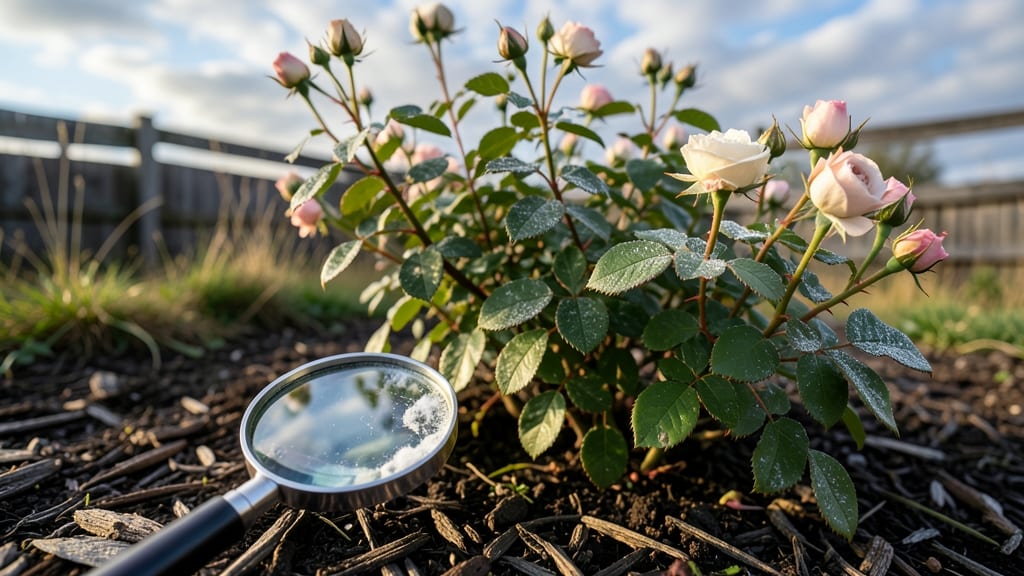
That white stuff on your rose leaves—whether it’s a dusting or full-blown fuzz—isn’t just unsightly; it’s powdery mildew sapping your roses’ strength, and I’ve finally cracked the organic spray that stops it. 🌿 After years of battling this fungal foe, here’s what actually works. my bushes (without harsh chemicals).
The problem starts with high humidity and poor airflow—perfect conditions for this fungus to spread like wildfire. You’ll spot it first as tiny white specks on leaves, then a fuzzy blanket that blocks sunlight.
Left untreated, it weakens stems and drops buds before they open. The good news? A simple baking soda spray or neem oil mix can turn things around in just a few applications.
Within a week, you’ll see fresh green growth pushing through the white mess, and those buds will finally bloom like they should. The secret is consistency—spray every 7-10 days until the mildew disappears completely. I’ve even used this same method on my hydrangeas with the same success.
For stubborn cases, add a drop of dish soap to your spray mix to help it stick better. And here’s the kicker: once you’ve got the mildew under control, proper spacing between plants and afternoon watering will keep it from coming back next season.
Root Causes Of Leaf Discoloration
When you spot that mysterious white stuff on rose leaves, it’s rarely a coincidence—it’s your roses sending an SOS. Understanding the science behind these issues helps you tackle them before they spread.
Below, we break down the most common culprits, from microscopic invaders to environmental stressors, and why they turn your roses into a powdery (or slimy) mess.
Fungi are the #1 reason for white, powdery, or fuzzy growth on rose leaves. These organisms thrive in damp conditions and reproduce via spores, which are often invisible to the naked eye until they colonize. Here’s how it happens:
- Powdery Mildew: The most common fungal foe, Erysiphe or Sphaerotheca species, forms a white, talcum-like coating on leaves. It blocks sunlight, stunting photosynthesis and weakening the plant. Spores spread via wind or water splashes, especially in warm (60–80°F), humid conditions.
- Downy Mildew: Less common but more aggressive, this fungus (Peronospora) creates white, fuzzy patches on the undersides of leaves and yellowing on top. It loves cool, wet weather (50–70°F) and can destroy foliage in weeks if unchecked.
- Botrytis Blight ("Gray Mold"): While it starts as white, this fungus (Botrytis cinerea) turns gray and fuzzy as it matures. It thrives on damaged tissue, thick foliage, or poor airflow, often attacking roses after rain, frost, or physical injury.
🔍 Pro Tip: Check the undersides of leaves—many fungal spores hide there until it’s too late. Use a 10x magnifying glass to confirm fuzzy or thread-like growth.
Not all white stuff is fungal. Sometimes, your roses are reacting to their surroundings. Here’s how:
- Excessive Moisture: Roses hate soggy soil or leaves. Overwatering, poor drainage, or frequent rain creates the perfect breeding ground for fungi. White, water-soaked patches may signal edema (a physiological disorder where cells burst from too much water).
- Poor Air Circulation: Dense, bushy roses with crowded canes trap humidity, speeding up fungal growth. White, moldy spots often appear in the center of plants where airflow is blocked.
- Nutrient Imbalances: Too much nitrogen (common in over-fertilized roses) leads to soft, lush growth that’s prone to fungal infections. Conversely, calcium or magnesium deficiencies can cause white, crinkled leaves (a sign of stress).
💡 Quick Fix: Prune roses to open up the center and improve airflow. Water at the base (not overhead) and avoid late-day watering to let leaves dry before nightfall.
Some white stuff isn’t the main act—it’s a side effect of pests that weaken roses, making them susceptible to fungi. Here’s how insects pave the way:
- Aphids & Whiteflies: These sap-sucking pests excrete sticky honeydew, a sugary substance that attracts sooty mold (a black or white fungal growth). While sooty mold itself doesn’t harm roses, it blocks sunlight and stresses the plant.
- Spider Mites: Their fine webbing can look like white dust, especially on the undersides of leaves. Heavy infestations stunt growth, making roses more vulnerable to fungal infections.
- Scale Insects: These armored pests leave white, cottony trails as they move. Their waste products create a sticky residue that promotes mold growth.
🎯 Prevention Tip: Spray roses with neem oil or insecticidal soap to knock out pests before they invite fungi to the party. Inspect leaves weekly for early signs of webbing or honeydew.
Sometimes, the white stuff is a chemical reaction rather than a biological one. Here’s how fertilizers or sprays can backfire:
- Over-Fertilization (Especially Sulfur or Zinc): Applying too much sulfur-based fertilizer can cause white, powdery deposits on leaves. Similarly, zinc or iron deficiencies (treated with sprays) may leave temporary white residue.
- Lime or Gypsum Dust: If you’ve amended soil with pelletized lime or gypsum, wind or water can blow or splash fine white particles onto leaves.
- Pesticide Residue: Some systemic insecticides or fungicides (like sulfur or copper-based sprays) can leave a white film if not rinsed off properly.
✨ Safety Check: If the white stuff looks like dust or flakes (not fuzzy or moldy), it’s likely chemical. Rinse leaves with water or adjust your fertilizer schedule.
Quick Fixes for White Leaf Issues
Now that you know the culprit behind that mysterious white stuff on your rose leaves, it’s time to tackle it with confidence! Whether it’s powdery mildew, aphids, or even environmental stress, these targeted solutions will help restore your roses to their vibrant best—without harsh chemicals.
Below, we break down the fixes by cause, so you can act fast and prevent future flare-ups.
Fungal spores thrive in damp, shaded conditions, so the key is to disrupt their life cycle while giving your roses the support they need to bounce back.
🔥 Step 1: Remove Infected Foliage
- 👨🍳 Snip and toss any leaves, buds, or stems covered in white powder or rust spots.
Place them in a sealed bag (not the compost!) to prevent spores from spreading. - ⏰ Do this in the morning when humidity is lower, and wear gloves—fungal spores can irritate skin.
🥘 Step 2: Apply an Organic Fungicide Spray
Mix one of these effective, plant-safe treatments and spray both sides of leaves (where spores hide!) and stems.
Reapply every 7–10 days until the issue clears: - 🌿 Baking Soda Spray: 1 tsp baking soda + 1 tsp horticultural oil + 1 tsp soap (like Castile) per quart of water. Why it works: Raises the leaf’s pH, making it inhospitable for fungi. - 🍋 Neem Oil Solution: 1 tbsp neem oil + 1 tsp soap per quart of water. Why it works: Disrupts fungal spores and deters future infections. - 🍅 Chili Pepper Spray: Blend 2 tbsp cayenne pepper + 1 quart water, strain, and add 1 tsp soap. Why it works: Capsaicin acts as a natural fungicide.
💡 Pro Tip: Spray early in the day so leaves dry quickly—fungi love moisture!
🌡️ Step 3: Improve Airflow and Light
- ✂️ Prune overcrowded branches to let air circulate.
- 🌞 Move pots or trim nearby plants blocking sunlight.
- 💦 Water at the base (not overhead) and avoid evening watering to keep leaves dry.
Tiny white pests suck sap and leave behind sticky residue (aka honeydew). Here’s how to evict them without killing beneficial insects.
🔪 Step 1: Blast Them Off
- 💦 Spray with water (a strong stream from the hose) to dislodge aphids and whiteflies. Repeat every 3–4 days for heavy infestations.
- 🕷️ Introduce predators: Ladybugs, lacewings, or parasitic wasps (available at garden centers) will feast on these pests naturally.
🍳 Step 2: Use a Soap Spray
Mix 1 tbsp mild liquid soap (like Dawn) + 1 quart water in a spray bottle. Test on a few leaves first—some roses are sensitive! Spray directly on pests (they’ll drop off within hours).
🌿 Step 3: Prevent Reinvasion
- 🌱 Interplant with pest-repelling herbs: Basil, thyme, or marigolds near roses can deter aphids.
- 🍎 Use reflective mulch: Cover soil with aluminum foil or silver plastic—whiteflies are confused by the glare and avoid laying eggs.
If the white stuff is crusty or chalky (not fuzzy), it’s likely mineral buildup from hard water, fertilizer, or pesticides.
🧼 Step 1: Gently Clean the Leaves
- 💦 Rinse with rainwater (tap water can worsen mineral buildup).
- 🧽 Wipe stubborn deposits with a damp cloth or sponge dipped in 1:1 water and white vinegar (rinse afterward).
💧 Step 2: Adjust Your Watering
- 📊 Test your water: If it’s hard (high in calcium/magnesium), use a rain barrel or install a water softener.
- 🚰 Water deeply but less often to prevent salt accumulation at the soil surface.
🌱 Step 3: Flush the Soil
- 💦 Give your roses a “soak-and-drain” treatment: Water heavily for 10 minutes, let drain, then repeat. This leaches excess salts.
- 🍂 Add organic matter: Mix compost or coconut coir into the top 2 inches of soil to improve drainage.
Once your roses are back in shape, keep them thriving with these easy maintenance habits:
| Problem | Prevention Hack | Frequency |
|---|---|---|
| Fungal infections | Apply neem oil spray monthly | Every 4 weeks (spring-fall) |
| Pest outbreaks | Plant garlic or chives near roses | Once (permanent border) |
| Mineral buildup | Use filtered water for spraying | Always |
| Poor airflow | Prune in early spring | Once a year |
🎯 Final Reminder: Consistency is key! Check your roses weekly for early signs of white stuff, and act fast—most issues are easier to treat before they spread. With these fixes, your roses will be lush, healthy, and blight-free in no time! 🌹✨
Frequently asked questions
Is white stuff on rose leaves always harmful?
Not always! While powdery mildew or fungal growth is harmful, some white residue comes from harmless sources like lime dust from soil amendments or mineral deposits from hard water. The key difference: harmful white stuff is usually fuzzy, powdery, or spreads quickly, while harmless deposits look more like dust or flakes.
Why does my rose plant get white stuff even after I treat it?
Fungal spores can linger in soil or nearby plants, so spot treatments alone often fail. For lasting results, prune affected areas, improve airflow by spacing plants, and apply preventative sprays like neem oil every 2-3 weeks during humid seasons. Consistency is key—one treatment rarely eradicates spores completely.
Can I use household vinegar to treat white stuff on roses?
Yes, but with caution! A 1:1 water-vinegar mix (undiluted vinegar burns leaves) works as a natural fungicide for powdery mildew. Spray only the affected areas in the morning, and avoid using it if your roses are stressed or have open wounds—vinegar can further damage plant tissue. For best results, combine with a drop of dish soap to help it stick.
How do I tell if the white stuff is powdery mildew vs. aphid honeydew?
Powdery mildew appears as a dry, white powder on both leaf surfaces, while aphid honeydew is sticky and often attracts sooty mold (black fungal growth). Check leaf undersides: mildew looks fuzzy, while honeydew leaves behind sticky residue. Tap leaves over white paper—aphids will fall off, leaving tiny insects behind.
Will cutting off infected leaves stop the spread?
Yes, but only if you remove all infected parts and dispose of them properly (sealed bag, not compost). Prune at least 1 inch below visible white growth to ensure you remove spores hiding in plant tissue. For severe cases, repeat pruning every 3-5 days until new growth appears clean—this breaks the fungus's life cycle.