
Shrubs
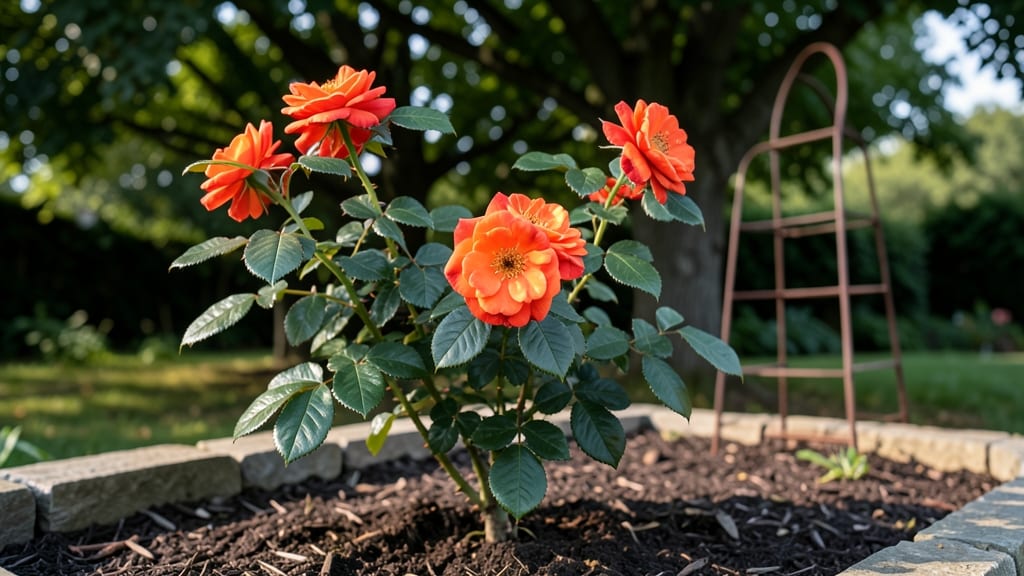
Planting a Gingersnap floribunda rose in your garden means waking up to the smell of caramel and cinnamon every morning. 🌹 This isn't just a rose—it's a fragrant cloud that turns heads and fills your yard with a sweet, spicy scent that lingers long after the blooms fade.
The secret to keeping it flowering nonstop? Pruning with purpose, not just shears.
Start by giving it the perfect home: full sun (at least 6 hours daily) and well-draining soil that’s rich but not soggy. Most gardeners overwater roses, but Gingersnap thrives on deep watering twice a week—think of it like giving it a long drink instead of a daily sip.
The right soil mix (half garden soil, half compost) makes all the difference, especially in heavy clay or sandy spots.
Here’s where the magic happens: prune in three stages—early spring to shape, after blooms to encourage more flowers, and a light trim in late summer to prep for winter.
Cut just above an outward-facing bud, and you’ll trigger a cascade of new growth. With this method, you’ll get continuous blooms from spring to frost, and the fragrance? Unmatched.
For pests, keep an eye out for aphids and black spot, but Gingersnap’s thick petals and disease-resistant genes mean you’ll spend less time spraying and more time admiring.
Feed it balanced rose fertilizer every 6 weeks, and watch it reward you with clusters of buttery-yellow blooms that look like sunshine in a vase.
📚 In This Guide
- What you need
- Instructions
- Tips and common mistakes
- Wrapping up and next steps
What you need
- ● Gingersnap Floribunda Rose Bare Root or Container-Grown Plant – 1 (ensure it’s disease-resistant and from a reputable nursery).
- ● Well-Draining Soil Mix – 50% native soil + 50% compost or a rose-specific potting mix (10-15 gallons per plant).
- ● Organic Mulch – 2-3 inches of shredded bark, pine needles, or straw (helps retain moisture and regulate temperature).
- ● Balanced Fertilizer – 10-10-10 or rose-specific fertilizer (follow package instructions for application rates).
- ○ Slow-Release Granular Fertilizer – Optional but recommended for sustained blooms (e.g., Osmocote 14-14-14).
- ● Pruning Shears – Bypass pruners (sharp, clean, and sanitized with rubbing alcohol).
- ● Hand Pruners or Loppers – For thicker stems (4-6 inch cuts).
- ● Gloves – Heavy-duty gardening gloves (protect against thorns and sap).
- ● Watering Can or Hose with Adjustable Nozzle – For deep, consistent watering (1-2 gallons per plant, 2-3 times weekly).
- ○ Trellis or Support Stake – 6-8 foot tall (optional but ideal for vertical growth and airflow).
- ● pH Test Kit – To monitor soil pH (ideal range: 6.0-6.5 for roses).
- ● Sunlight – Full sun (6-8 hours daily) for optimal blooming and fragrance.
- ● Spacious Planting Area – Minimum 3-4 feet in diameter (allows airflow and prevents disease).
- ● Drainage Check – Ensure the planting site isn’t soggy (roses hate "wet feet").
- ● Patience & Consistency – Pruning takes practice, but year-round care yields the best results! 🌟
Step-by-Step pruning guide for Gingersnap floribunda roses
Here's how to keep your Gingersnap floribunda blooming all season long.
✂️ Step 1: Time Your First Prune for Late Winter
Wait until your last frost date has passed and new growth appears—usually late February to early March in most climates. This is when the plant signals it's waking up. I look for tiny green buds along the stems as my cue. Pruning too early risks frost damage to fresh cuts.
Remove any dead, diseased, or crossing branches first. These are easy to spot—they're brown, mushy, or growing inward. Cut them back to a healthy outward-facing bud using clean, sharp pruners. The goal here is to open up the center of the plant so light and air circulate freely, preventing fungal issues.
✂️ Step 2: Shape the Plant with Strategic Cuts
Now focus on shaping. Floribundas like the Gingersnap bloom best when they have good airflow and sunlight. Cut back last year's growth by about one-third—this encourages strong new growth. Make cuts just above an outward-facing bud, angled slightly downward to prevent water from pooling.
I like to visualize the plant as an open vase shape. Remove any branches growing straight up or inward. These compete for energy and reduce flowering. For each cut, count 3-5 healthy buds from the base—this ensures you're not cutting too aggressively and leaving the plant vulnerable.
☀️ Step 3: Maintain Through the Growing Season
After the initial prune, your work isn't done. Deadhead spent blooms regularly—this means cutting back to the first set of five leaves below the flower cluster. This encourages continuous blooming. I do this every 7-10 days during peak bloom season, usually spring through early fall.
Watch for suckers—those vigorous shoots growing at the base of the plant. These divert energy from your main stems. Remove them immediately by cutting at ground level. Also, thin out crowded canes to improve airflow. You'll know you're doing it right when you see new buds forming along the stems within 2-3 weeks.
✂️ Step 4: Prepare for Winter Dormancy
In late fall, after your first hard frost, give your Gingersnap one final light prune. Remove any dead or diseased wood, and cut back any leggy growth by about half. This helps the plant enter dormancy stronger. I avoid heavy pruning now because the plant needs to store energy for next year's growth.
Mulch around the base with 2-3 inches of organic mulch to protect roots from freezing temperatures. This is also when I apply a balanced rose fertilizer to replenish nutrients. The goal is to give your plant a strong foundation for next season's blooms.
🌱 Step 5: Spring Cleanup and Disease Prevention
Early spring is the time to do a final cleanup. Remove any remaining winter mulch and inspect the plant for signs of disease or pests. Prune out any canes that look weak or diseased, cutting back to healthy wood. Sterilize your pruners between cuts with rubbing alcohol to prevent spreading disease.
Apply a fungicide treatment if you notice any signs of black spot or powdery mildew. These are common rose diseases that can ruin a season's blooms. I also like to spray the foliage with neem oil as a preventative measure. This step ensures your Gingersnap starts the new season strong and healthy.
Tips & tricks for pruning Gingersnap floribunda roses
Here's what I've learned after years of pruning these fragrant beauties—and how to avoid the mistakes I made early on.
Tool Prep: Before you even touch your rose, sterilize your pruners with rubbing alcohol. I learned this the hard way after transferring bacterial canker from one plant to another. Clean them between cuts, especially when removing diseased wood in Step 5. Sharp, clean tools make all the difference in clean cuts that heal properly.
Bud Counting Technique: When shaping in Step 2, count those 3-5 healthy buds from the base before making your cut. I use my fingers to trace along the stem—this helps visualize where to stop. Remember, you're not just cutting branches; you're sculpting next year's blooms. The more buds you leave, the more flowers you'll get!
Seasonal Timing Secret: That late February to early March window in Step 1 is critical for northern climates, but if you're in a warmer zone (like Zone 8-10), you can start as early as January. The key is waiting for those first green buds—this tells you the plant is ready to grow. I check my roses every few days in late winter and mark my calendar when I see the first signs.
Deadheading Discipline: The 7-10 day deadheading schedule in Step 3 might seem frequent, but it's worth it. I set a reminder on my phone for every Tuesday and Thursday during bloom season. When you see those spent blooms, cut back to the first set of five leaves—this redirects the plant's energy to producing more flowers instead of seed pods. You'll notice a dramatic increase in continuous blooms!
Pro Tips for Gingersnap Floribunda Rose
- Here's what I've learned after years of pruning these fragrant beauties—and how to avoid the mistakes I made early on.
- Tool Prep: Before you even touch your rose, sterilize your pruners with rubbing alcohol.
- Bud Counting Technique: When shaping in Step 2, count those 3-5 healthy buds from the base before making your cut.
Frequently asked questions
Got questions about growing and maintaining your Gingersnap Floribunda Rose? You’re not alone! Here are some of the most common queries—and their answers—to help you keep this fragrant beauty thriving year-round.
How often should I prune my Gingersnap Floribunda Rose?
Prune your Gingersnap rose twice a year: once in late winter or early spring (before new growth starts) to shape the plant and remove dead wood, and again in summer (after the first flush of blooms) to encourage continuous flowering. Avoid heavy pruning in fall—it can stimulate tender growth that won’t survive winter.
Can I grow a Gingersnap Floribunda Rose in a container?
Yes! This rose thrives in containers with at least 15-gallon pots and well-draining soil. Use a high-quality potting mix with added compost, and ensure the container has drainage holes. Place it in a spot with 6+ hours of sunlight daily and water consistently—containers dry out faster than garden beds.
Why aren’t my Gingersnap roses blooming as much as they should?
Several factors could be at play: over-pruning (leave 3-5 healthy buds per stem), poor sunlight (they need full sun), or nutrient deficiencies. Feed with a balanced rose fertilizer in spring and again mid-summer. Also, check for pests like aphids or black spot—treat early to avoid stressing the plant.
How do I prepare my Gingersnap rose for winter?
Start by reducing watering in late fall and apply a 3-inch layer of mulch around the base (but not touching the stem) to insulate roots. For colder climates (Zone 5 and below), mound soil or use a rose cone to protect the graft union. Avoid pruning until spring—wait until after the last frost.
Are there any fragrant alternatives to the Gingersnap Floribunda?
If you love the Gingersnap’s spicy-sweet fragrance, try these fragrant floribunda roses:
- ‘Julia Child’ – Rich, velvety blooms with a deep tea-like scent.
- ‘Double Delight’ – Classic old-fashioned fragrance with hint of myrrh.
- ‘The Fairy’ – Compact and extremely fragrant, perfect for containers.
Wrapping up and next steps
The Gingersnap Floribunda Rose is a true gem for gardeners who crave beauty, fragrance, and year-round interest—all while keeping maintenance simple with thoughtful pruning. Its rich spice-scented blooms and vibrant colors make it a standout, proving that stunning roses don’t require endless upkeep.
Whether you’re a seasoned rosarian or a curious beginner, this variety rewards patience with effortless elegance.
Ready to transform your garden? Start by scheduling your first pruning session this spring—grab your tools, dust off those gloves, and let the Gingersnap’s magic unfold! 🌸✨