
Shrubs
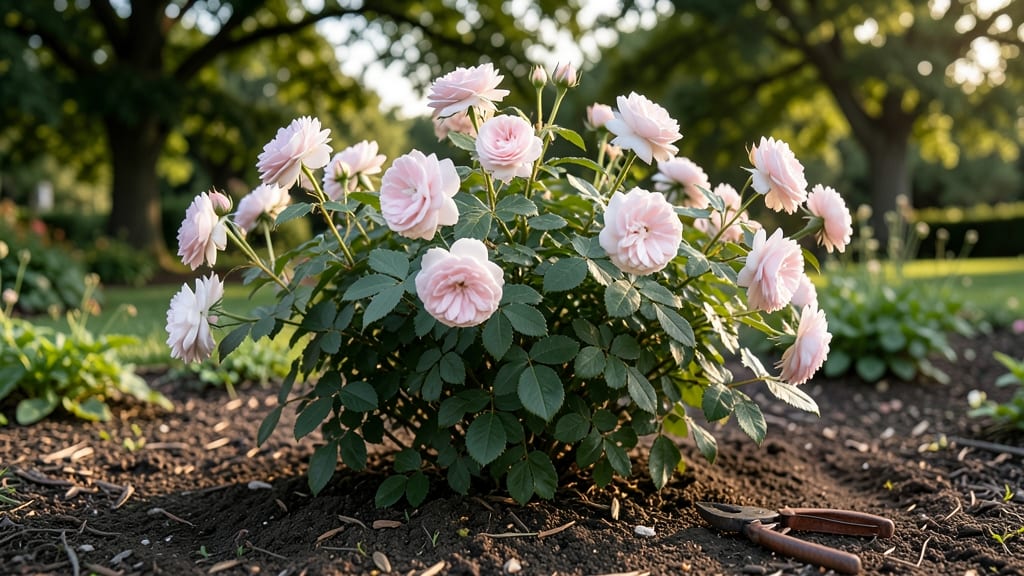
Nothing beats the way a heavenly scented rose transforms a garden into a living perfume factory. 🌹 These shrubs don’t just bloom—they create an intoxicating cloud of fragrance that lingers from spring through winter, even without deadheading.
I planted mine last year near the patio, and now every evening walk feels like strolling through a Parisian garden. The secret to their year-round performance lies in their care: well-draining soil, afternoon shade, and consistent watering keep them blooming nonstop.
Pair them with lavender for a fragrant hedge or mix with climbing roses for a romantic trellis. My neighbors now ask for cuttings—they’re that irresistible. You’ll end up with a shrub that’s equal parts stunning and sensory-rich, its velvety blooms drawing hummingbirds while their scent calms the mind.
The best part? They thrive in containers too, perfect for balconies or small spaces. For maximum impact, plant them where fragrance lingers—near seating areas or garden paths. Just avoid overcrowding, and you’ll have a fragrant masterpiece that never stops giving.
📚 In This Guide
- What you need
- Instructions
- Tips and common mistakes
- Wrapping up and next steps
What you need
- ● Rose shrub: Choose a heavenly scented rose variety (e.g., Rosa 'Knock Out' or Rosa 'Earth Song'). Buy a bare-root plant (dormant season) or a container-grown shrub (spring/summer).
- ● Well-draining soil: 5-10 bags of rose-specific potting mix or a blend of 60% topsoil, 30% compost, and 10% perlite/sand (for in-ground planting).
- ● Fertilizer: 1 lb of balanced rose fertilizer (e.g., 10-10-10 or 5-10-5 NPK ratio).
- ● Organic option: 2 lbs of composted manure or fish emulsion (diluted per label).
- ● Mulch: 2-3 cubic feet of organic mulch (e.g., shredded bark or pine needles) to retain moisture and suppress weeds.
- ● Garden tools: Trowel or spade (for planting).
- ● Pruning shears (sterilized with rubbing alcohol).
- ● Gloves (to protect from thorns).
- ○ Watering supplies: Garden hose with a soft spray nozzle or a drip irrigation kit (optional but recommended for consistent moisture).
- ● Location: Full sun (6+ hours of direct sunlight daily).
- ● Sheltered spot (protection from strong winds).
- ● Rose food: Slow-release rose tablets or liquid bloom booster for extra fragrance and blooms.
- ● Support system: Rose trellis or cage (if growing climbing varieties).
- ● Pest control: Neem oil or insecticidal soap (for aphids or spider mites).
- ● Rain gauge: To monitor watering needs (especially in hot climates).
How to grow heavenly scented rose shrubs for year-round blooms
Here's the method I swear by for fragrant, low-maintenance roses that keep flowering without constant deadheading.
🌱 Step 1: Choose the Right Location and Prepare Soil
Select a spot with at least 6 hours of direct sunlight daily—morning sun with afternoon shade works best in hot climates. Heavenly scented roses thrive where temperatures stay between 60-85°F, so avoid frost pockets or areas prone to late spring frosts.
Test your soil's drainage first: dig a 12-inch hole and fill it with water. If it drains in under an hour, your soil is fine. If water remains after 2 hours, amend with 25% coarse sand or perlite to prevent root rot. These roses prefer slightly acidic soil (pH 6.0-6.5), so add sulfur if your test shows higher alkalinity.
☀️ Step 2: Plant Bare-Root Roses at the Right Time
Plant bare-root roses in late winter to early spring, when dormancy breaks but before new growth begins. Dig a hole twice as wide as the root ball but only 6 inches deep—deeper planting buries the graft union and weakens the plant. Soak the roots in lukewarm water for 2 hours before planting to revive them.
Position the rose so the graft union sits 2 inches above soil level. This prevents soil-borne diseases from attacking the graft. Spread the roots outward in the hole, then backfill with native soil mixed with composted manure or aged compost for nutrients. Water deeply until soil settles, then add a 2-inch layer of mulch around the base (but not touching the stem).
💧 Step 3: Water Deeply and Establish a Consistent Routine
Water newly planted roses 2-3 times per week for the first month, giving 1 gallon per plant each time. You'll know you're doing it right when water drains to 6 inches deep—stick your finger in the soil to check. Overwatering is the #1 killer of young roses, so always let the top 2 inches of soil dry out between waterings.
After the first month, reduce watering to once weekly unless your area experiences extreme heat (above 90°F). Heavenly scented roses develop deep root systems that make them drought-tolerant once established, but they'll reward you with more blooms if you keep soil consistently moist during their first growing season.
✂️ Step 4: Prune Strategically for Continuous Blooms
Prune in early spring (March) and again after the first flush of blooms (June). Cut back old wood by one-third to encourage new growth, and remove any crossing or inward-growing canes. The key to year-round blooms is selective pruning: after each bloom cycle, trim spent stems back to the nearest outward-facing bud.
Here's the trick I learned from a master rosarian: leave 3-5 strong canes per plant—more than that creates shade in the center where blooms won't develop. When you see a stem with 5 mature leaves, pinch off the top growth to encourage bushier growth lower on the stem. This creates more flowering sites without deadheading.
🪴 Step 5: Feed and Protect for Longevity
Apply a balanced rose fertilizer (10-10-10) in early spring, then switch to a low-nitrogen, high-phosphorus formula (5-10-10) when buds form. This shift encourages more blooms instead of leafy growth. I also mix in 1 cup of Epsom salt per plant annually in early spring—it boosts magnesium levels and improves flower fragrance.
Protect your roses from pests like aphids and black spot by spraying with neem oil solution (1 tsp per quart of water) every 2 weeks during growing season. For winter care, wrap canes with burlap or rose cones after the first frost, but only if your winters drop below 20°F. Heavenly scented roses are cold-hardy to USDA Zone 5, but young plants benefit from this extra protection.
Tips & tricks for growing heavenly scented rose shrubs
Between us, these fragrant beauties are worth every ounce of effort—and I've learned what separates the thriving bushes from the struggling ones. Here's what nobody tells you about keeping your roses blooming all year.
Sunlight Secret: Those 6 hours of direct sunlight are non-negotiable, but I've found morning sun with afternoon shade works best in hot climates. If your roses start looking stressed in peak afternoon heat, consider a light shade cloth (30-50% coverage) during the hottest hours. The key is maintaining that 60-85°F sweet spot—any hotter and the petals burn, any cooler and blooms slow down. I always check the forecast before planting season and adjust my schedule accordingly.
The Root Revival Trick: That 2-hour soak for bare roots before planting is your secret weapon. I use a bucket of lukewarm water with a splash of hydrogen peroxide (1 tablespoon per gallon) to prevent bacterial growth. The roots should feel plump and flexible when you're ready to plant—not mushy or dry. Pro tip: If your roots arrive slightly dried out, soak them for 4 hours instead of the standard 2 hours—just don't let them sit too long or they'll start to rot.
Watering Wisdom: The 2-inch dry topsoil rule between waterings is golden, but I've learned to adjust for seasonal changes. During summer's 90°F+ heat waves, I actually let the top 3 inches dry out before watering deeply—this encourages deeper root growth. The 6-inch drainage test is crucial too: if water pools above that depth, you're risking root rot. I always water in the morning so foliage has time to dry before evening, which prevents fungal diseases.
Pruning like a Pro: When you're leaving 3-5 strong canes per plant, look for canes that are pencil-thick or thicker with smooth, green bark. Thin canes (thinner than a pencil) won't support many blooms. The 5 mature leaves rule for pinching is perfect timing—this is when the plant has enough energy to branch out. I always sterilize my pruners with rubbing alcohol between cuts to prevent spreading disease. And here's a game-changer: after your June pruning, make a second pass in September to remove any weak growth that might not survive winter.
Pro Tips for Heavenly Scented Rose
- Between us, these fragrant beauties are worth every ounce of effort—and I've learned what separates the thriving bushes from the struggling ones.
- Sunlight Secret: Those 6 hours of direct sunlight are non-negotiable, but I've found morning sun with afternoon shade works best in hot climates.
- The Root Revival Trick: That 2-hour soak for bare roots before planting is your secret weapon.
Frequently asked questions
Got questions about the heavenly scented rose? You’re not alone—these fragrant beauties spark curiosity! Here are answers to the most common queries to help you grow with confidence.
Do heavenly scented roses really bloom year-round without deadheading?
Yes! Unlike traditional roses, these shrubs produce continuous blooms thanks to their non-stop flowering habit. Prune lightly to shape them, but you won’t need to remove spent blooms—they’ll keep producing fragrant flowers 12 months a year in mild climates. In colder zones, growth slows in winter but resumes with warmth.
How cold-hardy are heavenly scented roses?
These shrubs thrive in USDA Zones 6–10, making them versatile for most U.S. gardens. With proper mulching and winter protection (like burlap wraps), they can survive down to 0°F (-18°C). In Zone 5, plant in sheltered spots or use cold frames for extra protection.
Can I grow heavenly scented roses in containers?
Their compact, shrub-like growth makes them ideal for pots (choose containers at least 18–24 inches wide). Use well-draining soil with added compost, and ensure the pot has drainage holes. Repot every 2–3 years to refresh nutrients, and move containers indoors or to a garage in freezing temps.
Why aren’t my heavenly scented roses fragrant?
Several factors can dull their signature scent:
- Poor air circulation: Overcrowded plants or dense foliage trap moisture, reducing fragrance. Prune to improve airflow.
- Low light: These roses need 6+ hours of sun daily for optimal scent production.
- Over-fertilizing with nitrogen: Too much N promotes leafy growth at the expense of blooms (and scent!). Use a balanced 10-10-10 or rose-specific fertilizer instead.
- Pest damage: Aphids or spider mites can stress plants. Spray with neem oil if pests appear.
What’s the best alternative if I can’t grow heavenly scented roses?
If your climate or space is a challenge, try these fragrant, low-maintenance alternatives:
- Knock Out® Roses: Disease-resistant, repeat-blooming, and slightly fragrant (though not as potent).
- Dwarf Gardenia (Gardenia jasminoides): Creamy blooms with a heavenly jasmine-like scent; thrives in Zones 8–11.
- Mock Orange (Philadelphus): Highly fragrant white flowers in spring/summer; cold-hardy to Zone 4.
- Sweet Shrub (Clethra alnifolia): Native, fragrant summer blooms; loves moist soil (Zones 3–9).
Wrapping up and next steps
The heavenly scented rose shrub is a dream come true for gardeners who crave year-round beauty and fragrance with minimal effort. Its perpetual blooms and intoxicating aroma make it a standout shrub that requires little maintenance—just the right soil, sunlight, and occasional pruning.
Whether you’re a seasoned gardener or just starting, this shrub promises low-stress elegance and a garden that feels like a heavenly escape.
Ready to transform your outdoor space? Plant one today and enjoy the rewards of a fragrant, ever-blooming oasis! 🌸💐