
Shrubs
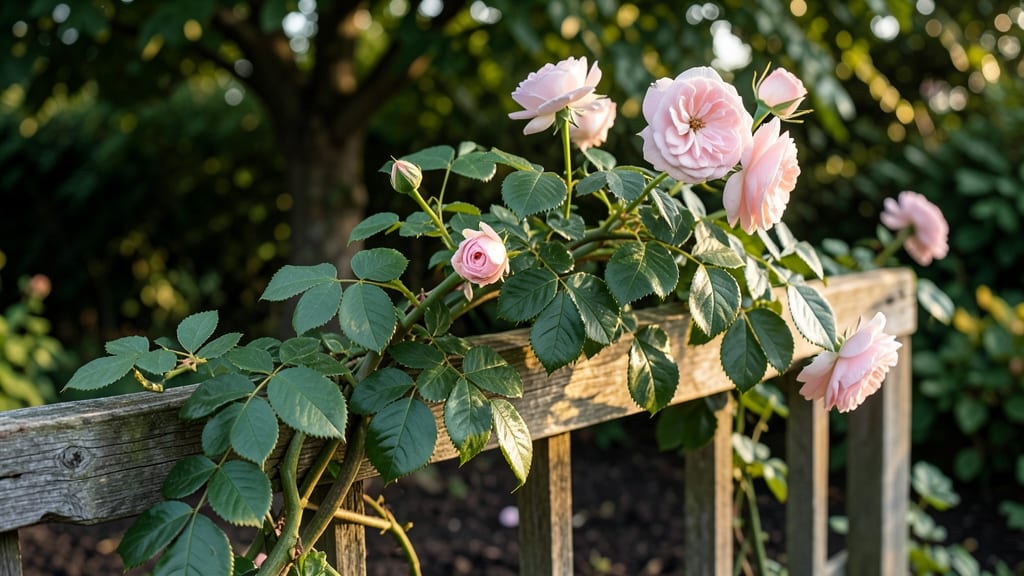
Those heirloom perennials—like a stunning climbing rose—burst back each spring with season-long blooms and intoxicating fragrance.
That’s the magic of heirloom perennials—no annual replanting, no weak stems, just bold, repeat-flowering vines that turn trellises into living tapestries. 🌹 I’ve grown these old-world beauties for years, and once you try them, you’ll never go back to finicky hybrids again.
The key to their success? Full sun, rich soil, and smart pruning—not rocket science, but too many gardeners skip the basics. These roses thrive in zones 5-9, where winter cold actually improves next year’s blooms.
Start with well-draining soil (amend with compost if yours is heavy), and plant in early spring or fall when roots can establish before extreme temps. A sturdy trellis or arbor is non-negotiable—these vines can reach 15-20 feet if given space.
By summer, you’ll be rewarded with roses that bloom from June until frost, their petals packed with fragrance that lingers in the evening air. The secret? Prune in late winter to remove dead wood, then lightly shape after blooming to encourage more flowers.
Water deeply once a week (more in drought), and watch as your vine transforms from bare stems to a lush, fragrant cloud of color.
They’re not pest-proof—watch for aphids and black spot—but heirlooms handle stress better than modern roses. The trade-off? You’ll spend less time fussing and more time smelling those old-fashioned, intoxicating blooms that hybrid roses can’t match. Ready to grow one that outlasts your garden?
📚 In This Guide
- What you need
- Instructions
- Tips and common mistakes
- Wrapping up and next steps
What you need
- ● Heirloom climbing rose plants: 1–3 bare-root or container-grown roses (e.g., 'Blanc Double de Coubert,' 'Souvenir de la Malmaison,' or 'Zephirine Drouhin'). Choose disease-resistant varieties for longevity.
- ● Support structure: Arbor, trellis, or sturdy fence (6+ feet tall, made of wood, metal, or PVC).
- ○ Optional: Rose ties or soft plant clips (5–10 pieces) to secure canes gently.
- ● Well-draining soil: Amend native soil with 3–5 gallons of compost and 1–2 lbs of organic rose fertilizer (e.g., 5-10-5 or rose-specific blend).
- ● Mulch: 2–3 inches of organic mulch (e.g., shredded bark or straw) to retain moisture and suppress weeds.
- ● Watering supplies: Drip irrigation system or soaker hose (for deep, consistent watering).
- ● Watering can (5+ gallon capacity) for hand-watering.
- ● Pruning tools: Bypass pruners (sharp, clean, and sterilized with rubbing alcohol).
- ● Loppers (for thicker canes, if needed).
- ● Protective gear: Gloves (gardening or rose-specific), long sleeves, and knee pads for comfort.
- ● Soil amendments: Perlite or sand (1–2 buckets) to improve drainage in heavy clay soil.
- ● Fertilizer boosters: Liquid rose food (e.g., fish emulsion or seaweed extract) for mid-season feeding.
- ● Pest control: Neem oil spray or insecticidal soap (pre-mixed or DIY).
- ● Aesthetic touches: Decorative stakes, garden flags, or climbing rose-specific paint for a polished look.
- ● Seasonal prep: Frost cloth (for tender climates) or shade cloth (to protect young plants from intense sun).
Step-by-Step guide to planting and cultivating fragrant climbing roses
Here’s how to grow heirloom climbing roses that reward you with intoxicating fragrance and continuous blooms.
🪴 Step 1: Select the Perfect Planting Site
Choose a location with at least 6 hours of direct sunlight daily—morning sun with afternoon shade works best in hot climates. Climbing roses need strong support, so install a sturdy trellis, arbor, or fence at least 8 feet tall before planting. The structure should be 4-6 inches from the planting hole to allow easy training later.
Test your soil’s drainage by digging a 12-inch deep hole—if water pools after 30 minutes, amend with 2-3 inches of compost or organic matter to improve aeration. Roses hate soggy roots, so raised beds or mounds work well in heavy clay. I always plant mine on a slight mound to prevent waterlogging during spring rains.
🌱 Step 2: Plant Bare-Root Roses at the Right Time
Plant bare-root roses in early spring or fall, when temperatures are between 40-60°F. Soak the roots in lukewarm water for 2-4 hours before planting to rehydrate them—you’ll see them plump up and look vibrant. Dig a hole twice as wide as the root spread but no deeper than the plant’s graft union (the swollen bump near the base).
Position the rose so the graft union sits 2-3 inches above soil level—this prevents soil-borne diseases from reaching the scion. Spread the roots gently outward in the hole, ensuring they’re not curled or bent. Backfill with native soil mixed with compost or aged manure to encourage root establishment. Water deeply until the soil settles, then add more soil if needed to keep the graft union exposed.
☀️ Step 3: Train Vines and Provide Seasonal Care
Once new growth reaches 6-8 inches tall, tie the strongest canes to the trellis using soft plant ties or strips of old fabric. Avoid wire or anything that can girdle the stems as they thicken. Prune back any weak or crossing growth immediately—this ensures energy goes to the main canes you want to climb. I like to leave 3-5 buds on each cane to encourage robust blooming.
Fertilize in early spring with a balanced rose fertilizer (10-10-10) and again after the first flush of blooms. Water at the base deeply once a week during dry spells, keeping the soil 2-3 inches moist but never soggy. Mulch with 2-3 inches of organic mulch to retain moisture and regulate soil temperature—this also suppresses weeds that compete for nutrients.
✂️ Step 4: Prune for Fragrance and Continuous Blooms
Prune climbing roses in late winter or early spring, before new growth begins. Remove dead, diseased, or crossing branches first, then cut back last year’s canes by one-third to one-half to encourage vigorous new growth. Look for outward-facing buds when making cuts—these will produce the most fragrant blooms and direct growth along the trellis.
After the first flush of blooms, deadhead spent flowers by cutting back to the nearest healthy leaf or bud. This redirects the plant’s energy into producing more blooms instead of seeds. In late summer, give your roses a light trim to remove any leggy growth and improve airflow—this prevents fungal diseases like black spot that can ruin fragrance and foliage.
🌿 Step 5: Overwinter for Next Season’s Blooms
In late fall, reduce watering but keep the soil slightly moist to prevent stress. Apply a 4-6 inch layer of mulch around the base to insulate roots from freezing temperatures. If you’re in a cold climate (below 0°F), wrap the trellis and canes with burlap or frost cloth to protect tender growth. Avoid heavy pruning in winter—wait until spring to assess damage and plan your cuts.
Here’s the thing—climbing roses thrive when you let them establish over 2-3 years before expecting peak fragrance and blooms. The first year focuses on root growth, so don’t be disappointed if blooms are sparse. Patience pays off with vines that climb, perfume the air, and flower from early summer to frost—that’s the magic of heirloom varieties.
Tips & tricks for perfect fragrance-enhanced climbing roses
These game-changing insights will help you coax out the full potential of your heirloom climbing roses—think lush vines, intoxicating fragrance, and blooms that last all season.
Sunlight Strategy: The 6 hours of direct sunlight mentioned in Step 1 is non-negotiable, but here's the secret: position your trellis to capture morning sun and afternoon shade in hot climates. I've found that east-facing locations give the best balance—morning light kickstarts photosynthesis while afternoon shade prevents stress during peak heat. If you're in a particularly sunny region, consider a sheer curtain for afternoon shade rather than dense foliage that blocks airflow.
Root Revival Technique: When soaking bare roots for 2-4 hours in Step 2, use lukewarm water (around 60°F) to mimic natural spring conditions. You'll know it's working when the roots plump up and look vibrant. Pro tip: Add a rooting hormone powder to the water for an extra boost—this can increase root establishment by up to 30%. Just be sure to rinse the roots before planting to avoid chemical burn.
Pruning Precision: In Step 4, when cutting back last year's canes by one-third to one-half, make your cuts just above an outward-facing bud. This simple technique ensures new growth will climb toward your trellis rather than sprawling outward. I like to use clean, sharp pruners and make cuts at a 45-degree angle to prevent water from pooling on the wound, which can lead to disease.
Winter Protection Upgrade: For climates below 0°F, don't just wrap your trellis—create an insulating barrier around the base too. I use a combination of straw mulch (4-6 inches) and burlap wrapped around the canes. This double protection prevents frost from penetrating through the trellis structure and reaching the tender canes. In particularly harsh winters, I've even buried the entire trellis structure with mulch for extra insulation.
Pro Tips for Heirloom Perennials Climbing Rose
- These game-changing insights will help you coax out the full potential of your heirloom climbing roses—think lush vines, intoxicating fragrance, and blooms that last all season.
- Sunlight Strategy: The 6 hours of direct sunlight mentioned in Step 1 is non-negotiable, but here's the secret: position your trellis to capture morning sun and afternoon shade in hot climates.
- Root Revival Technique: When soaking bare roots for 2-4 hours in Step 2, use lukewarm water (around 60°F) to mimic natural spring conditions.
Frequently asked questions
Got questions about heirloom perennials climbing roses?
You’re not alone! Here are some of the most common queries—plus expert answers to help you grow stunning, fragrant vines with ease.
What’s the best time of year to plant heirloom climbing roses?
Plant your heirloom climbing roses in early spring or fall when temperatures are mild (50–70°F). Avoid extreme heat or frost, which can stress roots. Bare-root roses can even be planted in late winter if the ground isn’t frozen. Pro tip: Soak roots in water for 4–6 hours before planting for a head start!
How much sunlight do these roses need daily?
Heirloom climbing roses thrive in full sun (6–8 hours daily), but they’ll tolerate partial shade (4–6 hours) in hot climates. Too little light? Expect fewer blooms and weaker vines. For best fragrance and vigor, position them where they get morning sun and afternoon shade if needed.
What support structure works best for climbing roses?
Use a trellis, arbor, or sturdy fence (at least 6–8 feet tall) with horizontal bars spaced 12–18 inches apart. Avoid wire mesh—it can damage thorns and stems. For a rustic look, try a wooden obelisk or pergola. Train vines with soft ties (never metal) to guide growth.
How do I prevent pests like aphids or black spot?
Start with resistant heirloom varieties (e.g., ‘Blaze’ or ‘New Dawn’). Keep foliage dry with proper spacing, and prune for airflow. For pests: Spray with neem oil or insecticidal soap early in the season. For fungal issues like black spot, apply copper fungicide at the first sign of yellow spots.
How long does it take for heirloom climbing roses to bloom?
Most heirloom climbers take 2–3 years to mature and produce abundant blooms, but some (like ‘Zephirine Drouhin’) may flower in their first season if planted early. Patience pays off—once established, they’ll reward you with season-long fragrance!
Can I grow heirloom climbing roses in containers?
Yes! Choose a large pot (15+ gallons) with drainage holes and a trellis inside. Use well-draining soil mixed with compost, and water consistently. Dwarf varieties like ‘Compass’ work well, but expect slightly smaller blooms. Move containers to a sunny spot in winter if temps drop below 20°F.
Wrapping up and next steps
Transforming your garden with heirloom perennials climbing rose isn’t just about beauty—it’s about creating a fragrant, timeless sanctuary that thrives year after year. These stunning vines offer season-long blooms, rich history, and effortless elegance, making them a must-have for any gardener.
Whether you’re a seasoned pro or just starting, now’s the perfect time to plant, nurture, and enjoy the magic of heirloom roses.
Ready to take the next step? Start by selecting your favorite variety—then grab your gardening tools and let the climbing adventure begin! 🌸