
Blooming
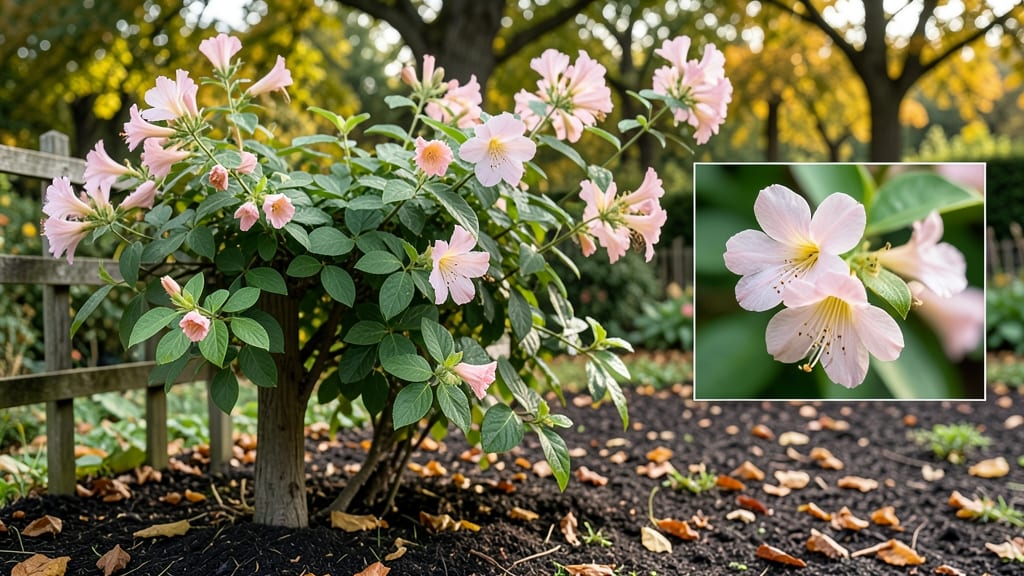
Honeysuckle blooms at different times depending on your climate zone and the variety you grow 🌸 — but knowing the right window can mean the difference between a lush, fragrant vine and one that barely flowers.
If you’ve ever planted honeysuckle only to wait months for blooms—or worse, never see them—you’re not alone. The key lies in understanding how your local frost dates, sunlight, and even pruning habits affect when (and whether) those iconic tubular flowers appear.
In USDA Zone 6a, like where I garden, most honeysuckle varieties bloom between late spring and early summer, but some species—like Lonicera sempervirens—wait until summer heat triggers their flowers.
Meanwhile, cooler zones may see delayed blooms until June or July, while warmer areas can enjoy flowers as early as May.
Below, I’ll break down the exact bloom windows by species and zone, plus three proven tricks to coax more flowers—whether you’re dealing with a first-year plant or a vine that’s been skipping blooms for years.
Honeysuckle bloom time by USDA climate Zones: when to expect first flowers
Honeysuckle's bloom timing varies dramatically across USDA climate zones, with some varieties bursting into flowers as early as late spring while others wait until summer heat triggers their first bloom. In cooler zones (3-5), frost-sensitive honeysuckle often delays flowering until temperatures stabilize above 50°F consistently.
Meanwhile, warmer zones (7-10) may see spring blooms followed by summer reblooms if conditions are ideal.
Your local frost dates play a crucial role—early bloomers in Zone 6 might flower in May, while Zone 9 honeysuckles could start as early as March. First-year plants often skip flowering entirely, focusing energy on root establishment instead.
Patience is key, but understanding your zone helps you set realistic expectations and adjust care routines accordingly.
Cold-hardy varieties like Lonicera xylosteum thrive in Zones 3-6, often blooming in late spring, while Lonicera sempervirens (trumpet honeysuckle) prefers Zones 4-9 and may flower in summer. Heat-loving varieties in Zones 8-10 sometimes wait until June or July for their first display.
| USDA Zone | Typical First Bloom | Cold-Hardy Varieties | Frost Impact |
|---|---|---|---|
| 3-4 | Late May-June | Lonicera xylosteum | Heavy frost delays blooms |
| 5-6 | May-June | Lonicera tatarica | Light frost may damage buds |
| 7-8 | April-May | Lonicera sempervirens | Minimal frost impact |
| 9-10 | March-April | Lonicera japonica | No frost risk |
In Zones 3-5, honeysuckles often wait until after the last frost (typically mid-May) before producing buds.
The Lonicera xylosteum variety, for example, may take until June to show its first flowers, as it prioritizes survival in harsh winters. Mulching heavily in fall can protect roots and encourage earlier blooming the following spring.
Gardeners in Zones 6-7 frequently see two bloom cycles: one in spring and another in summer. This happens because Lonicera tatarica and similar varieties respond to both temperature shifts and daylight changes. Pruning in late winter (before buds swell) helps stimulate more abundant spring blooms in these zones.
Southern gardeners in Zones 8-10 enjoy the earliest blooms, with some Lonicera sempervirens varieties flowering as early as March. However, summer heat can stress plants, causing them to skip blooms entirely if not provided with consistent moisture. Drip irrigation systems work wonders in these climates to maintain steady growth.
First-year honeysuckles rarely bloom because they focus energy on root development. Even in ideal Zone 7 conditions, don't expect flowers until the second year. Fertilizing lightly in spring with a balanced 10-10-10 formula can encourage stronger growth, but avoid heavy feeding which may delay flowering.
If your honeysuckle blooms late or not at all, check for three common issues: insufficient sunlight (6+ hours daily required), poor soil drainage, or over-fertilizing with nitrogen. Deadheading spent blooms also signals the plant to produce more flowers, especially in Zones 7-10 where summer reblooms are common.
Remember that local microclimates matter too—a north-facing wall may delay blooms by weeks compared to a sunny south exposure. Monitor your plant's progress and adjust care routines based on what you observe each season.
With the right variety for your zone and proper care, you'll soon have fragrant honeysuckle blooms transforming your garden into a hummingbird haven. The key is understanding your plant's natural rhythm and working with it, not against it. 🌿
How to trigger repeat honeysuckle blooms: pruning & care secrets
Want your honeysuckle to burst into repeat blooms all season? The secret lies in strategic pruning and seasonal care adjustments. Many gardeners miss the mark by pruning at the wrong time or skipping deadheading—both critical steps to extend your honeysuckle’s bloom time.
With the right techniques, you can transform a single summer burst of flowers into a continuous display from early summer through fall.
First, understand that honeysuckle blooms on new wood, meaning flowers develop on current year’s growth. This makes pruning timing everything. If you cut back too late, you risk removing next year’s flower buds.
But if you prune too early, you may stunt growth and reduce overall blooms. The key is precision timing paired with proper deadheading to encourage more flowers.
Step-by-Step Guide to Repeat Blooms
- 1 Prune in late winter or early spring (before new growth starts). Remove dead or weak stems and cut back overgrown branches by 1/3 to encourage vigorous new growth.
- 2 Deadhead spent blooms regularly during the growing season. Pinch off faded flowers just above a set of leaves to redirect energy into new blooms instead of seed production.
- 3 Fertilize lightly in early spring with a balanced 10-10-10 fertilizer. Avoid heavy feeding, which can lead to excessive foliage at the expense of flowers. Focus on root health first.
- 4 Water deeply but infrequently. Honeysuckle tolerates drought once established, but consistent moisture encourages stronger growth. Water at the base of the plant in the morning to prevent fungal issues.
- 5 Provide full sun (6+ hours daily). Partial shade may reduce blooms, especially for varieties like Lonicera sempervirens. If your plant isn’t flowering well, check its sunlight exposure first.
If your honeysuckle still refuses to bloom, don’t panic. Over-fertilizing or pruning at the wrong time are common culprits. Another red flag is crowded growth, where too many branches compete for resources.
Thin out overcrowded areas in late winter to improve airflow and light penetration, which can boost flower production.
For extended bloom seasons, consider training your honeysuckle on a trellis or arbor. This not only creates a stunning visual but also encourages longer, healthier vines with more flower nodes.
Plus, elevated plants are easier to deadhead and prune, making maintenance a breeze. With these adjustments, your honeysuckle could reward you with continuous blooms from June through September!
Pro tip: Keep a gardening journal to track your pruning and blooming patterns. Note when you pruned, how your plant responded, and any adjustments you made. Over time, you’ll fine-tune your approach to maximize those fragrant, repeat blooms every season. 🌸