
Container Gardens
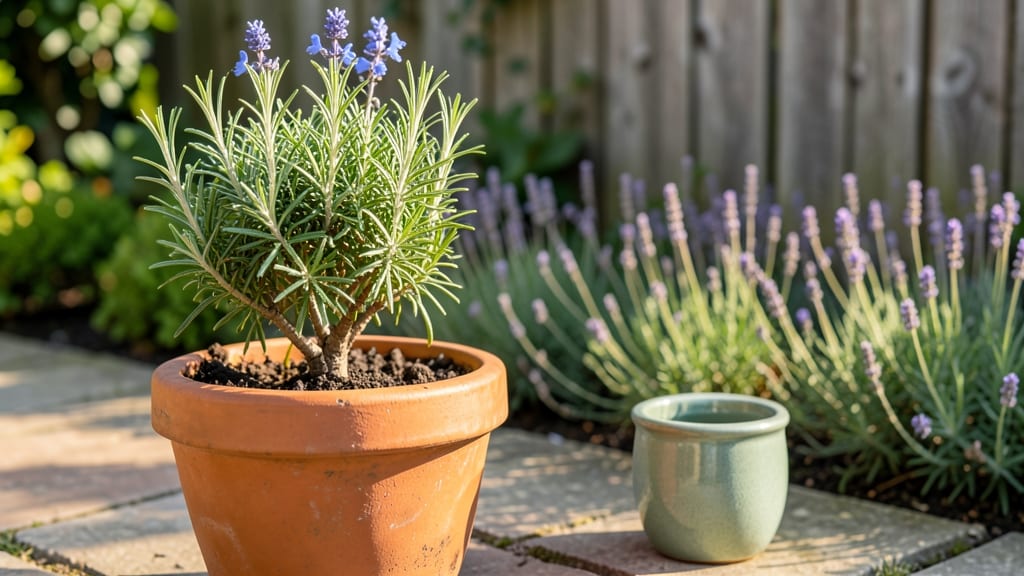
A rosemary plant needs a pot that matches its growth habits—too small stunts its roots, too big wastes space and water.
Struggling to keep your rosemary thriving? The right pot size isn’t just about aesthetics—it’s the foundation for healthy growth, fragrance, and even harvestable stems. 🌿
For mature rosemary, aim for at least 12 inches in diameter and 12 inches deep—this gives roots room to spread while preventing waterlogging. Smaller pots work for young plants, but even a 6-inch container can support a rosemary for 1-2 years if pruned regularly.
Below, I’ll break down the ideal pot sizes by growth stage, the best materials for drainage, and how to repot without shocking your plant—so you can enjoy lush, fragrant rosemary year-round.
Rosemary pot size guide: minimum dimensions for different growth stages
Choosing the right pot size for your rosemary isn’t just about fitting it in your space—it’s about giving its root system the room it needs to thrive. Rosemary has a taproot system, meaning it grows a single deep root that anchors the plant and absorbs water efficiently.
When you cram rosemary into too-small containers, you’ll see stunted growth, yellowing leaves, and even root-bound plants that struggle to produce those fragrant stems you love.
I’ve learned this the hard way—my first rosemary plant in a 5-inch pot lasted only a year before it became leggy and woody. The key is matching the pot size to the plant’s growth stage.
Seedlings need tiny starter pots, while mature plants require deep, wide containers to support their woody stems and spreading roots. Let’s break down the exact dimensions you need at every stage, so you can avoid common mistakes and keep your rosemary lush and productive.
| Growth Stage | Minimum Pot Diameter | Minimum Pot Depth | Notes |
|---|---|---|---|
| Seedlings (0-3 months) | 2-3 inches | 2-3 inches | Use nursery pots or cell packs for easy transplanting. |
| Young Plants (3-12 months) | 6-8 inches | 8-10 inches | Ideal for indoor or balcony containers; ensure drainage holes. |
| Mature Plants (1-2 years) | 12-16 inches | 12-16 inches | Supports woody stems and spreading roots; terracotta pots work best. |
| Large Harvests (2+ years) | 18-24 inches | 18-24 inches | For abundant pruning; use fabric grow bags for airflow. |
For seedlings, I recommend starting with small nursery pots or cell packs that are just 2-3 inches in diameter and depth. These tiny containers help prevent overwatering while giving the delicate roots room to establish.
Once your seedlings develop their first set of true leaves (not the initial seed leaves), it’s time to transplant them into slightly larger pots. This is where many gardeners make mistakes—rushing to oversized pots too soon can lead to waterlogged soil and root rot.
When your rosemary reaches the young plant stage (around 3-12 months), upgrade to pots that are 6-8 inches in diameter and 8-10 inches deep. This size is perfect for indoor growing near a south-facing window or on a sunny balcony.
At this stage, rosemary starts developing its signature woody stems, and the deeper pot helps its taproot grow stronger. I’ve found that terracotta pots work exceptionally well here because they wick away excess moisture, which rosemary hates.
By the time your rosemary matures (typically 1-2 years old), it will need a pot that’s at least 12-16 inches in both diameter and depth. This size accommodates the plant’s spreading roots and thicker stems.
If you’re growing rosemary for large harvests, consider upgrading to a 18-24 inch pot or even a fabric grow bag. These bigger containers allow you to prune more aggressively, encouraging bushier growth and more abundant stems for cooking or crafting.
One common mistake I see is using pots that are too wide but not deep enough. Rosemary’s taproot needs depth to anchor the plant and access water deep in the soil.
Shallow pots can cause the roots to circle around the edges, leading to root-bound plants that struggle to absorb nutrients. Always prioritize depth over width when selecting containers for rosemary.
If you’re unsure, err on the side of a slightly larger pot—your plant will thank you with vibrant foliage and a stronger fragrance.
Another pro tip: If you’re growing rosemary in multiple pots, space them at least 12 inches apart to prevent competition for sunlight and nutrients. I’ve also noticed that rosemary in larger pots tends to have thicker, more aromatic stems.
This is because the extra space encourages the plant to focus its energy on growth rather than struggling for resources. For the best results, choose pots with drainage holes and avoid plastic containers that trap too much moisture.
Finally, remember that rosemary is a perennial herb, meaning it can live for years with proper care. If you notice your plant becoming root-bound (roots circling the bottom of the pot) or growing slower than expected, it’s time to repot into a larger container.
The best time to repot is in early spring, just as new growth begins. This gives your rosemary plenty of time to adjust to its new home before the growing season peaks.
With the right pot size, your rosemary will reward you with lush foliage, a heavenly scent, and stems that are perfect for seasoning your favorite dishes. Happy growing! 🌿
Best pot materials and drainage for rosemary: avoid these common mistakes
When choosing a pot for your rosemary, material and drainage aren’t just details—they’re critical to preventing root rot and ensuring your plant thrives. Terracotta pots are my top recommendation because they breathe, allowing excess moisture to evaporate.
This is especially important for rosemary, which hates soggy roots. Plastic pots, while lightweight, trap moisture longer and can lead to overwatering problems if you’re not careful.
Drainage holes are non-negotiable. Without them, water pools at the bottom, suffocating roots and inviting fungal diseases. Even if you’re using a cache pot (a decorative outer pot), ensure the inner container has multiple drainage holes.
I’ve seen too many rosemary plants decline because their owners skipped this step—don’t make that mistake!
⚠️ callout warning
A 5-gallon pot is the minimum for a mature rosemary plant. Smaller pots (under 3 gallons) restrict root growth, leading to stunted plants and poor harvests. For indoor rosemary, a 10-inch diameter pot works, but outdoor varieties need 12-14 inches to thrive. Overcrowding causes competition for nutrients, weakening your plant’s resilience.
🌱 Pro Tip: Add gravel or perlite to the bottom 2 inches of the pot to boost drainage.
Pot size directly impacts water retention. A larger pot means the soil stays moist longer, but it also requires deeper watering to reach the roots. I recommend using a self-watering pot with a moisture meter if you tend to forget watering schedules.
These pots help maintain consistent moisture without drowning your rosemary.
Another common mistake? Ignoring the pot’s depth-to-width ratio. Rosemary has a deep root system, so a pot that’s wider than it is deep won’t support healthy growth.
Aim for a pot that’s at least twice as deep as the plant’s height. For example, a 2-foot-tall rosemary needs a pot that’s 4+ inches deep.
If you’re repotting, choose a container that’s only 2-3 inches larger than the current one. A sudden jump to a huge pot can shock the plant and lead to waterlogging. Always use a well-draining potting mix with perlite or sand to mimic rosemary’s natural Mediterranean habitat.
Finally, consider your climate. In hot, dry regions, terracotta pots help wick away excess moisture, while in humid areas, plastic pots might be safer—but only if paired with excellent drainage. Whatever you choose, prioritize airflow and drainage over aesthetics. Your rosemary’s health depends on it! 🌿