
Pruning
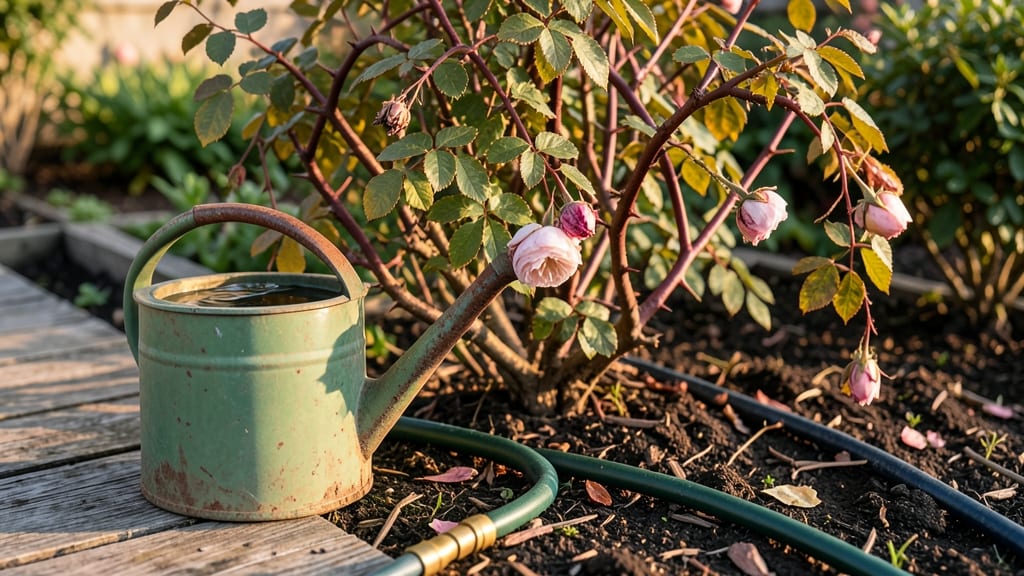
To revive droopy roses, start by examining soil moisture and trimming any wilted stems. Water thoroughly at the base if the soil feels dry, then snip off dead blooms and relocate the plant to bright, indirect light. Persistent wilting may signal overwatering or pests, requiring targeted solutions.
Drooping roses often signal stress from dehydration or overwatering, but quick action can restore them. 🌹 The key is balancing moisture—soil should feel damp but not soggy, as waterlogged roots suffocate the plant.
I’ve found that pruning spent blooms redirects energy to new growth, while indirect light prevents sunburn during recovery. For stubborn cases, check the undersides of leaves for pests or yellowing stems, which may indicate root rot.
Once you’ve addressed the immediate issues, maintain consistent care: water early in the day to reduce evaporation, and use a balanced fertilizer every 4-6 weeks during growing seasons.
Mulching around the base helps retain moisture while protecting roots from temperature swings. With patience, most roses bounce back within a week—just remember, consistency is everything.
💡 In This Article
- Why Roses Droop: Common Causes and Root Issues
- Step-by-Step Rose Revitalization Guide
Why roses droop: common causes and root issues
Roses droop primarily due to disrupted water balance, where either dehydration or overhydration stresses the plant's vascular system. When soil moisture drops below 30% capacity, roots struggle to absorb water, causing cells to lose turgor pressure—the same principle that makes cucumbers crisp versus limp.
Conversely, waterlogged soil (60%+ moisture) suffocates roots by blocking oxygen, triggering anaerobic bacteria that release toxic byproducts like ethanol, which clogs xylem vessels.
The science gets even more precise: transpiration rates spike in hot conditions, pulling water upward at 1-2 liters per day for mature roses. If roots can't keep up, leaves wilt as a survival mechanism to reduce water loss.
Look for crispy brown edges on leaves—this indicates dehydration, while yellowing stems suggest root rot from excess moisture. 🌱 Pests like spider mites also drain sap, causing wilting that worsens at night when stomata close.
Nutrient deficiencies play a hidden role too. Roses need 10-15 parts nitrogen to every 1 part phosphorus/potassium for optimal growth. When nitrogen drops below 2% soil concentration, protein synthesis stalls, leading to weak stems that can't support foliage.
This often appears as purple-tinged undersides on leaves, a classic phosphorus deficiency symptom.
Seasonal factors matter—spring's rapid growth demands 2-3 times more water than summer's drought tolerance. Even brief droughts can cause abscission layers to form at leaf stems, severing connections permanently.
That's why consistent moisture is critical: aim for 1-2 inches of water weekly, delivered at soil level to avoid fungal spores splashing onto leaves.
For advanced diagnosis, dig near the base: healthy roots are white or tan with fine hairs, while rotten roots smell sour and turn mushy. This root inspection reveals whether your plant needs drainage improvements or a fertilizer boost—both critical for revival.
The key is catching issues early before wilting becomes permanent.