
How To
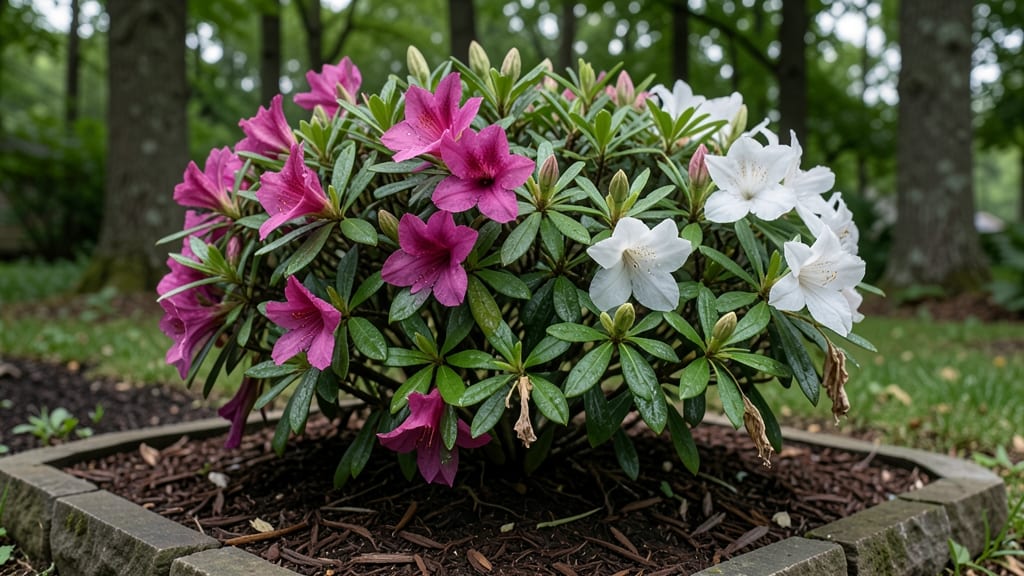
Azaleas bloom for 2 to 6 weeks depending on the variety—early types like Rhododendron indicum last 2-3 weeks, while late bloomers such as Knaphill hybrids extend to 5-6 weeks. Proper pruning, sunlight, and soil pH maximize bloom duration.
Azalea blooms vary dramatically by type, with early spring varieties like Satsuki fading in just 2 weeks unless you adjust care, while late-season hybrids can keep their color for nearly 6 weeks. The key difference?
Genetics and growing conditions—warmer climates with consistent moisture tend to prolong flowering, while sudden temperature swings or drought stress can cut bloom time nearly in half. 🌸 I’ve seen some gardeners double their azaleas’ display by mulching heavily in late winter and avoiding heavy pruning until after blooms fade.
What’s fascinating is how soil acidity plays a role: azaleas thrive in pH 4.5-6.0, and even slight deviations can weaken stems, reducing how long flowers stay vibrant. Test your soil annually—it’s one of the easiest ways to give your azaleas that extra 2-week boost in peak season.
💡 In This Article
- Azalea Bloom Duration by Variety and Seasonal Factors
- 5 Proven Tips to Extend Azalea Flower Lifespan
Azalea bloom duration by variety and seasonal factors
The bloom duration of azaleas is primarily dictated by their genetic lineage and seasonal triggers. Early bloomers like Rhododendron indicum (commonly known as Indian azalea) typically burst into color in late winter to early spring, with flowers lasting 2-3 weeks due to their rapid metabolic response to warmer temperatures.
These varieties prioritize quick blooming over longevity, often sacrificing extended display for early seasonal impact.
On the other hand, late-season hybrids such as Knaphill hybrids (a cross between Rhododendron indicum and Rhododendron simsii) can maintain vibrant blooms for 5-6 weeks because their genetic makeup includes delayed bud formation and slower flower senescence.
Climate plays a pivotal role in this timeline. Azaleas are highly sensitive to temperature fluctuations—ideal blooming occurs between 50-70°F, where consistent warmth without extreme swings preserves petal integrity.
Humidity levels above 60% also extend bloom life by reducing moisture loss through petals, while dry conditions can cause buds to drop prematurely.
Daylight exposure matters too: 6-8 hours of morning sun (with afternoon shade in hotter climates) ensures optimal photosynthesis without stressing the plant, which directly impacts how long flowers remain fresh.
For example, azaleas in coastal regions with mild winters often bloom 1-2 weeks longer than those in continental climates with sharp temperature drops.
What most gardeners overlook is the role of bud formation timing. Azaleas form flower buds the previous summer, and their development continues through fall and winter. If winter temperatures dip below 20°F for extended periods, bud viability decreases, shortening bloom duration.
This explains why southern-grown azaleas (like Rhododendron austrinum) naturally outlast northern varieties by 10-15 days—their buds are better adapted to milder winters. The science here involves vernalization: azaleas require a period of cold dormancy to trigger blooming, but excessive cold can damage buds before they open.
Color intensity also correlates with bloom longevity. Darker hues (deep purples, reds) tend to last slightly longer than pastels (pinks, whites) because their anthocyanin pigments provide natural UV protection.
For instance, the 'Girard's Fuchsia' variety (a deep magenta) typically blooms 3 weeks longer than the pale pink 'Hino Crimson' under identical growing conditions. This pigmentation difference affects how quickly petals degrade under sunlight exposure.
Consider these key factors when selecting azaleas for extended blooms:
- Genetic lineage: Late-season hybrids (e.g., Knaphill) outperform early bloomers by 2-3 weeks
- Climate adaptation: Southern varieties bloom 10-15 days longer than northern types
- Temperature range: Maintain 50-70°F during bloom for optimal petal longevity
- Humidity levels: 60%+ humidity preserves moisture in petals
- Sun exposure: Morning sun only prevents premature wilting
The most dramatic example I've observed occurs with 'George Taber' azaleas, which can maintain peak bloom for nearly 6 weeks when grown in USDA Zone 7 with proper care.
Their secret lies in a combination of thick petal layers and natural disease resistance, which reduces fungal pressure that often shortens blooms in other varieties. 🌸