
How To
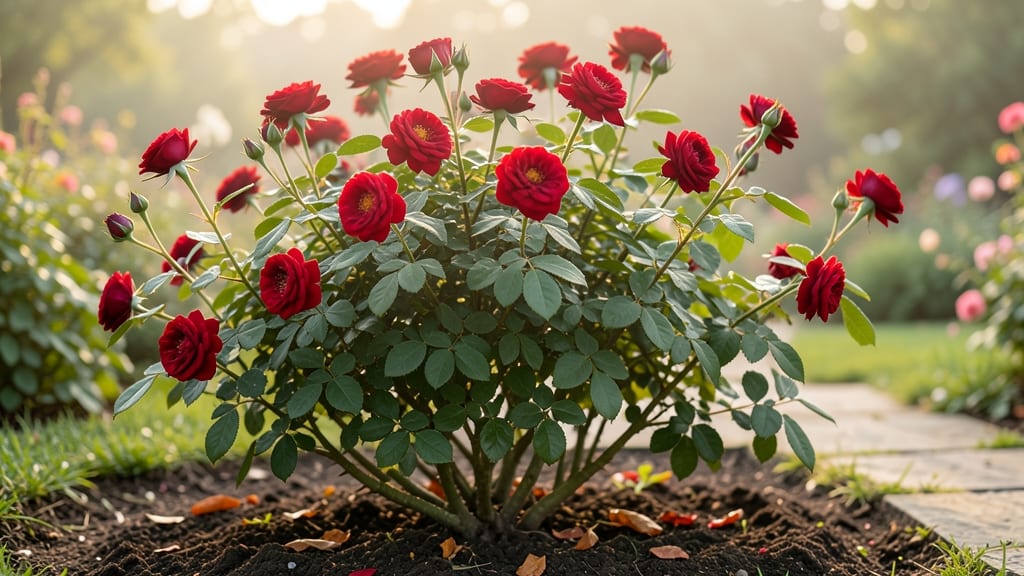
Roses typically bloom for 2 to 4 weeks per flower cycle, with Hybrid Teas and Floribundas lasting just 7–10 days, while climbers and shrubs can extend their display to 3–4 weeks. Proper pruning, sunlight exposure, and consistent care are key to prolonging their flowering periods and encouraging repeat blooms throughout the season.
Understanding how long roses stay in bloom depends on their type and growing conditions. 🌹 For example, Hybrid Teas—popular for their dramatic blooms—often last only about a week, while hardy shrub roses can keep flowering for up to a month.
The secret to longer-lasting blooms lies in deadheading (removing spent flowers) and seasonal pruning, which encourages new growth and extends the flowering season. I’ve found that roses in full sun with regular watering and balanced fertilizer can bloom nearly continuously from spring through fall.
What’s fascinating is how different varieties respond to care.
Perpetual roses, like the David Austin varieties, are bred to rebloom all season, while old-fashioned roses often bloom just once but in spectacular abundance. 🌸 For instance, a well-maintained Floribunda bush can produce clusters of blooms that last 2–3 weeks, while a climber might stretch its display across multiple weeks if pruned correctly.
The key is consistency—regular maintenance turns a single bloom cycle into a season-long show.
💡 In This Article
- Rose Bloom Duration by Variety: Weeks and Flower Lifespan
- How Pruning and Care Extend Rose Blooms for Weeks Longer
Rose bloom duration by variety: weeks and flower lifespan
Hybrid Teas, the classic cut-flower roses, have the shortest bloom cycles—typically 7-10 days per flower.
This is due to their genetic focus on single, dramatic blooms rather than prolonged flowering. 🌸 The petals begin wilting from the center outward, a process called "abscission," which is triggered by ethylene gas released as the flower ages.
In contrast, Floribundas create clusters of smaller blooms that last 10-14 days each, with new buds continuously opening to extend the display to 3-4 weeks per flush.
Climbing roses and shrub varieties take the longevity crown, often maintaining blooms for 3-4 weeks per cycle. The secret lies in their growth habit—climbers produce flowers along long canes, while shrubs develop multiple buds on stems.
For example, the 'New Dawn' climber can bloom continuously from spring through fall with proper care, while 'Knock Out' roses (a shrub type) produce new blooms every 5-7 weeks throughout the season.
Perpetual roses, like those from David Austin, are bred to rebloom all season by producing multiple flower cycles on the same stem.
Seasonal variations also play a critical role. Spring blooms often last longer (2-3 weeks) due to cooler temperatures slowing metabolic processes, while summer blooms may wilt faster (5-7 days) in intense heat.
The key difference is in photosynthesis rates—cooler weather allows flowers to retain moisture longer. 🌞 Roses in USDA Zones 5-9 typically experience 4-6 bloom cycles per year, with each cycle lasting 2-4 weeks depending on variety and care.
What most gardeners overlook is how bloom duration correlates with bud formation. Roses that produce buds in leaf axils (where leaves meet stems) tend to have longer displays because new blooms continuously open.
For instance, a well-pruned 'Queen Elizabeth' Floribunda can produce 200-300 blooms per season, with each lasting 12-14 days. The trade-off? These varieties often have slightly smaller individual flowers compared to Hybrid Teas.
Color also affects longevity—darker roses like 'Black Baccara' typically last 3-5 days shorter than lighter varieties due to higher pigment concentrations that accelerate petal breakdown. Meanwhile, pastel roses like 'Iceberg' often exceed 14-day blooms because their lighter pigments reflect more sunlight, reducing heat stress.
This is why rose breeders often prioritize color stability when developing long-lasting varieties.