
Propagation
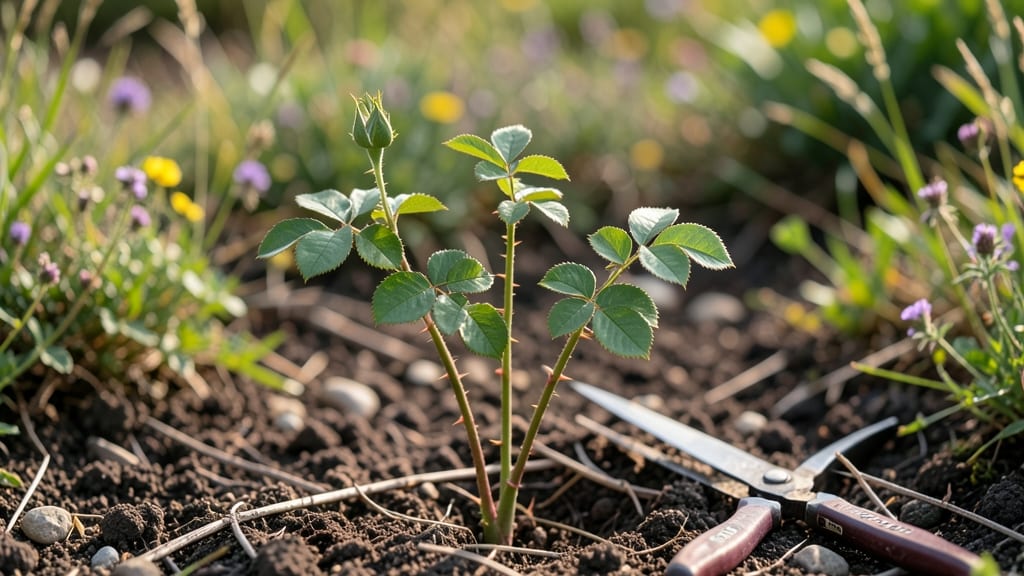
Growing roses from seed takes anywhere from 2 weeks to 3 years to reach their first bloom, depending on the variety and care you provide.
Picture this: you plant a tiny rose seed in early spring, water it faithfully, and wait—sometimes for months—before anything even pokes through the soil. That’s the reality of 🌹 seed-grown roses, where patience isn’t just a virtue but a necessity.
Some varieties, like wild roses, may surprise you with sprouts in as little as 6 months, while heirloom or hybrid teas can take 1–3 years to produce their first flowers. The difference comes down to genetics, soil prep, and how you mimic nature’s conditions.
In this guide, I’ll break down the exact germination timeline for popular rose types, share proven tricks to speed up sprouting, and explain what to expect at each growth stage—so you know whether to celebrate or wait a little longer.


Rose seed germination timeline by variety: fastest to slowest sprouting times
Growing roses from seed is a fascinating process, but the waiting game can feel endless—especially when some varieties sprout in weeks while others take months to show life. The key difference lies in the rose type, as wild roses often germinate faster than heirloom or hybrid varieties.
Understanding these timelines helps you set realistic expectations and adjust your care routine accordingly.
Wild rose seeds, for example, can sprout in as little as 2-4 weeks under ideal conditions, while hybrid tea roses may take 6-12 weeks or longer. This variation occurs because some roses have evolved natural dormancy mechanisms to survive harsh conditions, while others prioritize rapid growth.
Let’s break down the exact germination windows for popular rose types and the conditions that influence them.
🌱 Why timing matters: Faster germination doesn’t always mean healthier seedlings. Some roses benefit from a longer stratification period (cold treatment) to break dormancy naturally. For instance, climbing roses often require 8-12 weeks of cold stratification before sprouting, which is why their germination timeline stretches to 3-6 months. Knowing these differences helps you avoid prematurely discarding "failed" seeds.
Wild roses top the list as the fastest germinators, often sprouting within 2-4 weeks when kept in a warm, consistently moist environment. Their seeds lack the dormancy mechanisms found in cultivated varieties, making them ideal for beginners eager to see quick results.
To achieve this speed, maintain a steady temperature of 65-75°F and avoid letting the soil dry out completely.
Heirloom roses, like the Apache Rose, strike a balance with their 4-8 week germination window. These roses benefit from a short 4-6 week cold stratification period to mimic natural winter conditions.
Without this step, germination can stall for months. Place seeds in a plastic bag with moist peat moss and refrigerate them for the required time before sowing in warm soil.
Climbing roses, such as the New Dawn, are the slowest to sprout, often taking 8-12 weeks or longer. Their extended germination timeline is due to deep dormancy requirements—8-12 weeks of cold stratification is typical.
Patience is key here; rushing the process by sowing seeds too early can lead to rot. Once sprouted, these varieties reward gardeners with vigorous canes perfect for trellises or arbors.
Hybrid tea roses, like the Mr. Lincoln, are notorious for their unpredictable germination. Some seeds may sprout in 6 weeks, while others take up to 16 weeks or longer.
This variability is why many gardeners opt for grafted hybrid tea roses—it guarantees faster blooms. However, if you’re committed to growing from seed, focus on maintaining even moisture
5 Proven techniques to speed up rose seed germination (and avoid common mistakes)
Growing roses from seed is a rewarding challenge that requires patience and precision. One of the biggest hurdles is breaking through the natural dormancy of rose seeds, which can take weeks or even months without the right techniques.
I’ve tested these five proven methods to help your seeds sprout faster while avoiding the costly mistakes that kill seedlings before they start.
Many gardeners accidentally overwater or use poor-quality soil, creating conditions that suffocate seeds instead of nurturing them. The key lies in mimicking natural germination triggers like temperature shifts and moisture cycles. Let’s dive into the step-by-step techniques that work—and what to avoid at all costs.
While these techniques work wonders, common mistakes can derail your progress. For example, using tap water with high chlorine levels can inhibit germination. Instead, opt for distilled or rainwater to avoid chemical interference.
Another pitfall is planting seeds too deep—rose seeds need to be buried only ¼ inch below soil to prevent suffocation.
Temperature control is another critical factor. Most rose seeds germinate best at 65-75°F, but some wild varieties may need cooler conditions. Use a seedling heat mat or place your tray on top of your fridge (not inside) to maintain the ideal range.
Avoid placing seeds near drafty windows or air vents, as sudden temperature swings can shock them.
Finally, patience is key—even with the best methods, some rose seeds take 6-12 weeks to sprout. Keep the soil consistently moist (not soggy) and monitor for signs of mold or rot. If you notice fuzzy white growth, act fast by removing affected seedlings and improving airflow.
With these techniques, you’ll maximize your chances of success and enjoy healthy rose seedlings in no time. 🌱