
Propagation
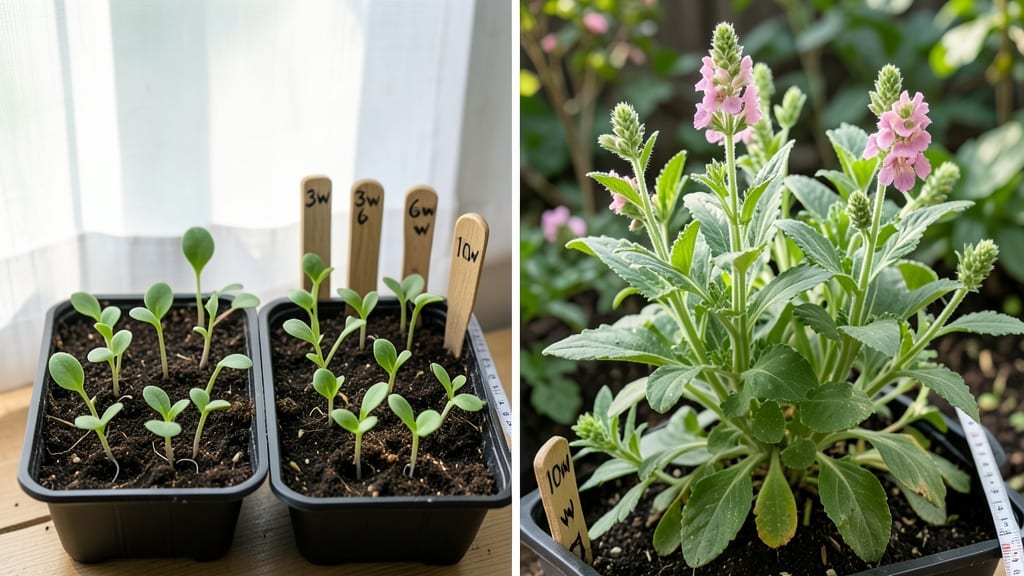
Snapdragons take about 60 to 90 days to bloom from seed when grown under ideal conditions, but the timeline can feel like an eternity if you're not sure what to expect.
Picture this: you've carefully planted your 🌸 snapdragon seeds in early spring, watching for those first tiny sprouts to emerge. But then the waiting game begins—why does it seem like forever until those vibrant blooms appear?
The answer lies in understanding the three key stages of growth and how small adjustments can make a big difference.
From the moment those seeds crack open (usually in 7 to 14 days), your snapdragons will go through rapid changes. Germination speed depends on soil warmth and moisture, but even with perfect conditions, the journey to first bloom involves nurturing seedlings through leaf development and bud formation.
That's where most gardeners trip up—overlooking the subtle clues that their plants are ready for the next phase.
In this guide, I'll break down the exact timeline for each growth stage, share the top 5 tricks to speed up blooming, and reveal the common mistakes that turn 90-day plants into 120-day struggles.
By the end, you'll know exactly what to do to get those colorful 🌸 snapdragons in full bloom right on schedule.


Snapdragon germination timeline: days to first leaves and flower buds
If you've ever planted snapdragon seeds, you know the excitement (and sometimes frustration) of waiting for those first tiny sprouts. The journey from seed to blooming snapdragons follows a predictable timeline—once you understand the three key stages, you can set realistic expectations and troubleshoot delays.
Let's break down exactly how long snapdragons take to bloom from seed, including climate-specific adjustments to optimize your garden's success.
The entire process typically spans 60 to 90 days, but this can vary based on your local climate, seed variety, and growing conditions.
For example, dwarf snapdragons may bloom slightly faster (around 55-70 days) compared to tall standard varieties, which can take up to 90 days. Understanding these stages helps you plan your garden layout and succession plantings for continuous blooms.
| Stage | Timeframe | Key Actions | Climate Adjustments |
|---|---|---|---|
| Seed Germination | 7–14 days | Maintain 60–75°F soil temp, keep soil moist but not soggy, provide light | Warmer climates: 7–10 days; cooler zones: 10–14 days |
| Seedling Development | 30–45 days | Thin seedlings to 6–12" apart, provide full sun, fertilize lightly with 5-10-10 | Hot climates: 30 days; cooler regions: 45 days |
| Flower Bud Formation | 60–90 days total | Deadhead spent blooms, water deeply, provide balanced fertilizer every 4–6 weeks | Longer days = faster blooming; shorter days may delay by 10–15 days |
The first stage, seed germination, is where your patience will be tested the most. Snapdragon seeds typically sprout within 7 to 14 days when kept in consistent moisture and warm soil temperatures (60–75°F).
If your garden soil is still chilly in early spring, consider starting seeds indoors under grow lights to jumpstart the process. I've found that using a seedling heat mat can cut germination time by 2–3 days in cooler climates.
Once the first cotyledon leaves appear (those initial rounded leaves), you're in the seedling development stage, which lasts about 30–45 days. This is when your snapdragons will grow their true leaves and begin establishing roots.
During this phase, it's crucial to provide at least 6 hours of sunlight daily and avoid overcrowding. If seedlings look leggy or pale, they're likely not getting enough light—consider supplementing with a grow light if natural light is insufficient.
By day 30–45, your snapdragons should be ready for transplanting into the garden, provided nighttime temperatures stay above 50°F. If you're in a USDA Zone 5 or colder, wait until after the last frost date to avoid transplant shock.
During this stage, I recommend pinching back the tips of young plants to encourage bushier growth and more blooms later. This simple trick can increase your yield by up to 30%.
The final stage, flower bud formation, is where the magic happens. From the time you plant seeds until the first blooms open, it typically takes 60–90 days.
However, this timeline can stretch to 100+ days in shorter-day climates (like the Pacific Northwest) or shorten to 50–60 days in long, hot summers (like the Southwest). To encourage earlier blooming, I've had success using a phosphorus-rich fertilizer (like 10-20-10) once the plants reach 6–8 inches tall.
One common misconception is that snapdragons will bloom continuously once they start. In reality, they often produce one main flush of blooms followed by sporadic flowers unless you practice deadheading. Removing spent blooms regularly encourages the plant to produce more flowers, extending your blooming season by 3–4 weeks.
I like to deadhead in the morning when blooms are fully open, as this gives the plant the entire day to recover and set new buds.
If your snapdragons aren't following this timeline, don't panic. Factors like poor soil drainage, inconsistent watering, or nutrient deficiencies can delay blooming. For example, snapdragons in clay-heavy soil may take 10–15 days longer to bloom because their roots struggle to access oxygen.
Amending your soil with compost or perlite can significantly improve growth rates. Similarly, underwatering during the budding stage can cause buds to drop before opening.
For gardeners in warmer climates, snapdragons may bolt (go to seed) more quickly, especially if planted too early. To prevent this, I recommend using shade cloth during the hottest part of the day and choosing heat-tolerant varieties like 'Matrix' or 'Rocket'.
In cooler regions, focus on extending the season by planting a second batch of seeds in late spring (around Memorial Day) to enjoy fall blooms before frost.
Understanding this snapdragon germination timeline helps you plan your garden with confidence. Whether you're aiming for
5 Proven ways to speed up snapdragon blooming time
If you're eager to see those vibrant snapdragon blooms sooner, you're not alone! While snapdragons typically take 60-90 days from seed to flower, these 5 science-backed strategies can shave weeks off your wait. The key lies in optimizing their growing conditions—starting with the right planting depth and temperature control.
First, let’s address the biggest misconception: deeper isn’t always better. Snapdragon seeds need just ¼-inch depth to germinate quickly. Planting too deep forces seedlings to work harder to reach the surface, delaying their growth.
Pair this with a consistent soil temperature of 60-75°F—use a seedling heat mat if your climate struggles to maintain this range.
🌱 Speed Up Snapdragon Blooms in 5 Steps
- Plant Depth: ¼-inch max for faster germination (7-10 days)
- Light: 12+ hours/day with grow lights if natural light is <6 hours
- Soil: Add compost + phosphorus (5-10-10 fertilizer) at planting
- Pruning: Pinch back top growth when 6 inches tall for bushier blooms
- Temperature: Maintain 60-75°F soil temps with a heat mat if needed
Next, light exposure is non-negotiable. Snapdragons crave full sun (6+ hours daily), but seedlings benefit from 12+ hours of light to prevent leggy growth. If your garden lacks sunlight, supplement with LED grow lights just 2-3 inches above seedlings. This mimics long summer days and triggers earlier flowering.
Don’t overlook the power of nutrient-rich soil. Amend your planting area with well-rotted compost and a phosphorus-heavy fertilizer (5-10-10) at planting time. Phosphorus is the secret weapon for root and flower development, while potassium keeps plants resilient. Avoid over-fertilizing—too much nitrogen delays blooming by encouraging leafy growth instead.
Once your snapdragons hit 6 inches tall, it’s time to prune strategically. Pinch back the top set of leaves to encourage branching. This may seem counterintuitive, but it redirects energy from vertical growth to lateral flower buds.
Repeat this process every 4-6 weeks to maintain a bushy, blooming plant. Deadheading spent flowers also signals the plant to produce more blooms.
Finally, consistency is key. Snapdragons respond poorly to temperature fluctuations or inconsistent watering. Water deeply in the morning to avoid fungal issues, and mulch around the base to retain moisture.
In cooler climates, use row covers to extend the growing season—this can add 2-3 extra weeks of blooming time.