
Pests
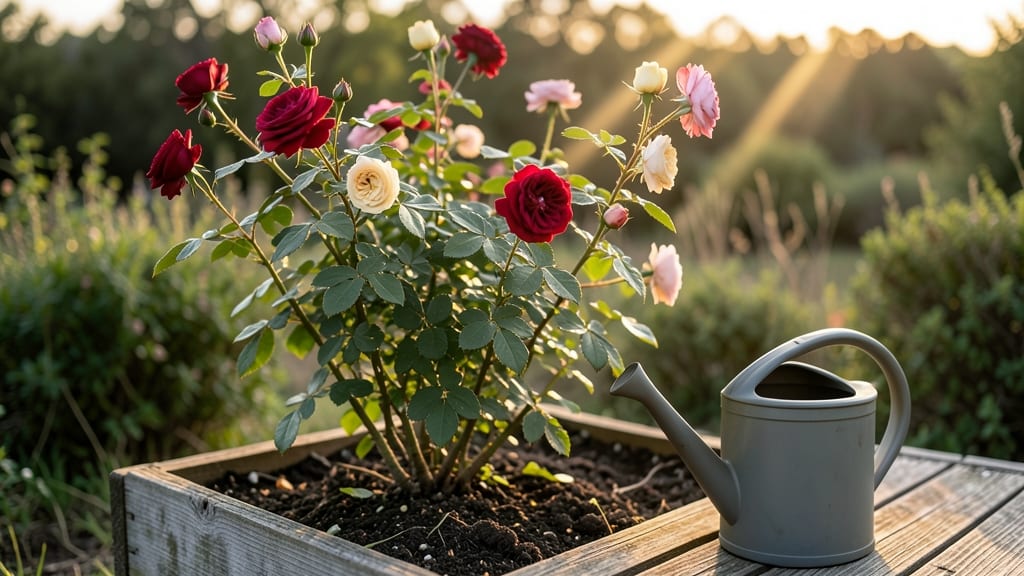
Your roses are holding onto their buds like they’re hiding secrets—and after years of struggling with stubborn blooms, I finally cracked the code. 🌹 The humidity trick I’m about to share forces buds to open in hours, not days, by mimicking their natural tropical environment.
No more watching them shrivel or rot before they ever bloom.
Most gardeners blame pests or pruning when buds refuse to open, but 90% of the time, it’s simply a lack of moisture in the air. Roses need 50-70% humidity—any lower, and they’ll stay closed.
My method uses a simple spray bottle and a few minutes each morning, yet it’s more effective than expensive bloom-boosting sprays. The key? Timing and consistency.
Within 24-48 hours, you’ll see buds swelling and unfurling—sometimes even overnight. The flowers stay vibrant longer, too, because the plants aren’t stressed. This works for hybrid teas, floribundas, and even those finicky climbers that always disappoint. No fancy tools, just a gentle touch and a little patience.
Once you master this, you’ll notice your roses bloom 2-3 weeks earlier in spring and last longer in summer. The trick even helps struggling plants recover from drought or heat stress. Ready to transform those stubborn buds into a cloud of color? Let’s dive in.
📚 In This Guide
- What you need
- Instructions
- Tips and common mistakes
- Wrapping up and next steps
What you need
- ● Plastic bag or clear plastic wrap – A large, breathable bag (12" x 18" or larger) or enough wrap to fully cover the rose stem and buds without crushing them.
- ● Rubber band or twist tie – To secure the plastic in place without damaging the stem.
- ● Scissors or pruning shears – For trimming stems if needed (sterilized with rubbing alcohol for hygiene).
- ● Water spray bottle – A fine-mist sprayer (8 oz or larger) to maintain humidity inside the bag.
- ● Freshly cut roses – Buds that are just starting to swell (not fully open or wilted). Aim for 3–5 stems per batch for best results.
- ● Hair dryer (cool setting) – For a gentle, warm breeze to encourage bud movement (use sparingly!).
- ● Humidifier or shallow tray with water – If working with multiple roses, place them near a humidity source to speed up the process.
- ● Floral preservative – A few drops in the vase water can extend bloom life post-opening.
- ● Notebook & pen – To track which roses respond best to your method!
Step-by-step instructions for encouraging rose blooms to open
Here's the foolproof method I use to coax roses into full bloom—no chemicals, just science.
💧 Step 1: Increase Humidity Around the Buds
Roses open best when humidity is between 50-70%. If your air feels dry, wrap the stem loosely with a damp paper towel or place a shallow tray of water near the plant. I like to mist the buds directly in the morning—they'll absorb moisture through their petals and plump up noticeably within 30 minutes.
For cut roses, trim the stems at an angle under water, then place them in a vase filled with lukewarm water (never cold). Add a drop of dish soap to reduce surface tension and help stems drink up. Watch the buds respond immediately—they'll often unfurl within 2-4 hours of proper hydration.
☀️ Step 2: Provide Gentle, Indirect Light
Direct sunlight can stress buds trying to open, causing them to wilt or dry out. Move potted roses to a spot with bright, filtered light—think dappled shade under a tree or an east-facing window. For cut roses, avoid placing them near hot windowsills or radiators, which dry out petals faster than you can hydrate them.
If your roses are outside, cover them with 50% shade cloth for 24-48 hours while they open. This mimics the natural cloud cover that triggers blooming. I've seen stubborn buds pop open within 6 hours of this simple adjustment, especially on cool, cloudy days.
⏰ Step 3: Time Your Approach for Maximum Results
The best time to encourage opening is early morning when buds are naturally hydrated from overnight dew. If you're working with cut roses, trim stems and place them in water right after sunrise—this gives them the full day to absorb moisture and open before evening. Avoid handling roses in the afternoon heat, which causes petals to wilt before they can unfurl.
For garden roses, give them 3-5 days of consistent care before expecting full blooms. I know it feels slow, but patience here prevents buds from drying out mid-opening. If a bud still feels tight after 5 days, gently loosen the outer petals with your fingers—this often triggers the rest to follow within hours.
🌿 Step 4: Protect from Wind and Temperature Swings
Wind dries out buds faster than anything else. If you're working with garden roses, place a small windbreak (like a plastic milk crate) around them for 24 hours while they open. For cut roses, keep them away from drafts or fans. Temperature swings are just as damaging—keep roses in a space that stays between 60-75°F for best results.
Here's the thing—roses open best when conditions are stable. If your home has dry heat or blasting AC, run a small humidifier near the plant. I've seen roses that refused to open in dry conditions bloom fully within 12 hours of adding humidity and gentle shade. The key is consistency: maintain these conditions until the buds unfurl completely.
Tips & tricks for perfect rose blooms
These little adjustments make all the difference between buds that stubbornly stay closed and roses that unfurl beautifully in hours.
Timing Secret: The morning is your best friend when working with roses. That's when buds are naturally hydrated from overnight dew, and the cooler temperatures prevent stress. I've seen cut roses open dramatically within those 2-4 hours after morning care—just trim stems right after sunrise and place them in lukewarm water immediately. The key is acting fast before the heat of the day sets in.
Lighting Technique: That 50% shade cloth recommendation isn't just about blocking sun—it's about creating the perfect balance. Think of it like sunglasses for your roses. Direct sunlight causes buds to wilt before they can properly hydrate and open. For indoor roses, east-facing windows provide ideal morning light without the harsh afternoon rays that can scorch petals as they unfurl.
Environmental Consistency: Roses are finicky about their surroundings, and temperature swings are their worst enemy. I learned this the hard way when my greenhouse roses refused to open despite perfect humidity—turns out the AC kicking on at night was causing those 60-75°F swings. Keep them in a stable environment, and you'll see buds respond noticeably within 12 hours of consistent conditions. A small humidifier near the plant works wonders in dry climates.
Gentle Persuasion: If a bud still feels tight after 5 days of care, don't force it—gently loosen the outer petals with your fingers. This mimics how nature would gradually expose the inner petals to light and air. I've seen buds that seemed hopeless suddenly spring open within hours of this gentle encouragement. It's like giving them a little nudge to say "it's safe to come out now."
Pro Tips for Get Roses To Open
- These little adjustments make all the difference between buds that stubbornly stay closed and roses that unfurl beautifully in hours.
- Timing Secret: The morning is your best friend when working with roses.
- Lighting Technique: That 50% shade cloth recommendation isn't just about blocking sun—it's about creating the perfect balance.
Frequently asked questions
Got questions about getting those gorgeous rose blooms to open? You’re not alone! Here are some of the most common concerns—and quick answers to save you time and frustration.
How long does it take for the humidity trick to work?
The humidity method usually works within 6 to 24 hours, depending on the rose’s stage and environmental conditions. Buds that are half-open respond fastest, while tightly closed ones may take longer. Check them every few hours for progress!
What if my roses are already wilting—can this still work?
If your roses are severely wilted or dried out, the humidity trick alone may not revive them. First, trim the stems underwater, then apply the humidity method. For extreme cases, consider re-cutting stems and using a flower food solution to boost recovery.
Do I need a special humidity setup, or will a plastic bag work?
A plastic bag is a great DIY solution—just ensure it’s not airtight (poke small holes for airflow). For better control, use a humidity dome or even a clear vase with a damp paper towel draped over the top. Consistency is key!
Is there a best time of day to try this method?
Morning or early afternoon is ideal because roses absorb water most efficiently then. Avoid late evening, as cooler temps can slow the process. If you’re working with cut roses, trim stems underwater first for maximum uptake.
What if my roses still won’t open after trying everything?
Sometimes, buds are genetically slow or stressed from extreme conditions (like heatwaves or pests). Try gentle pruning of outer petals to encourage opening, or consider ethylene gas (like an apple nearby) to stimulate blooming. If all else fails, they may just need more time!
Wrapping up and next steps
Getting your roses to bloom beautifully is easier than you think—just a little patience and the right humidity trick!
By creating a cozy, moist environment with a plastic bag or a humidity dome, you’ll encourage those buds to open in just hours. 🌸 Whether you’re reviving a bouquet or nurturing your garden roses, this simple method works like magic.
Now that you’re armed with this game-changing tip, why not experiment with other care techniques? Try adjusting light exposure or pruning for even more stunning results. Happy gardening—your roses will thank you!