
Neem Oil
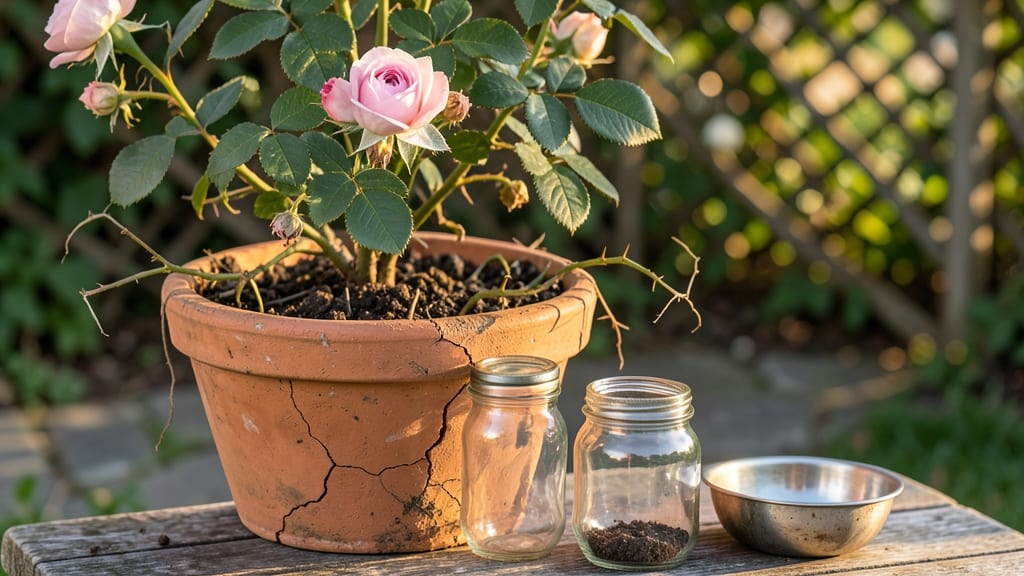
Making rose oil from petals turns your garden's fragrant blooms into liquid gold. 🌹 The process is simpler than you'd think—no fancy equipment needed, just fresh roses, patience, and a few household items.
I’ve perfected this method after years of experimenting with different roses and extraction techniques, and the results are worth every minute. You’ll need 2-3 pounds of fresh rose petals (about 50-75 blooms), a carrier oil like jojoba or sweet almond oil, and a clean glass jar.
The key is harvesting petals at their peak—right after sunrise when they’re fully open but still damp with dew. This ensures the highest concentration of scent and oil.
Once infused, your rose oil will smell rich, velvety, and unmistakably floral, perfect for perfumes, skincare, or even as a natural pest repellent in the garden. Store it in a cool, dark place to preserve its potency for up to a year.
This method works for any rose variety, but Damask roses yield the most luxurious scent. Just avoid hybrid teas—they’re stunning but lack the oil-rich petals you need for a strong infusion.
📚 In This Guide
- What you need
- Instructions
- Tips and common mistakes
- Wrapping up and next steps
What you need
- ● Fresh rose petals: 1 cup (about 100–120 grams). Use organic, pesticide-free petals for the best quality—think Damask roses (like Rosa × damascena) for the richest scent and color.
- ● Carrier oil: ½ cup (120 ml) of a high-quality, odorless oil. Popular choices: Sweet almond oil (gentle, nourishing)
- ● Jojoba oil (long shelf life, mimics skin’s natural oils)
- ● Grapeseed oil (lightweight, absorbs well)
- ● Glass jar: A clean, airtight amber or cobalt glass jar (8–12 oz) to protect the oil from light degradation.
- ● Fine-mesh strainer or cheesecloth: For filtering out petal debris after infusion.
- ● Dark glass bottle: A small, dropper-top bottle (1–2 oz) for storing your finished rose oil.
- ● Preservative: 1–2 drops of vitamin E oil or rosemary extract to extend shelf life (especially if storing long-term).
- ● Essential oil: 5–10 drops of pure rose essential oil (if you want to boost potency or scent).
- ● Food processor or blender: To chop petals finely for faster infusion (skip if using whole petals).
- ● Label and marker: To label your jar with the date and contents.
Step-by-Step instructions for making rose oil from petals
Here's the simple method I use to create a luxurious, homemade rose oil that smells like a spring garden.
🌿 Step 1: Harvest and Prepare Fresh Rose Petals
Pick petals from organic roses in the early morning when their fragrance is strongest. Avoid using sprayed roses—the chemicals will ruin your oil. I gather about 2 cups of petals for every 1 cup of carrier oil (like jojoba or sweet almond oil). Spread them on a clean kitchen towel to dry for 1-2 hours in indirect sunlight.
Once dry, remove any stems or debris. You'll notice the petals lose some color but keep their delicate scent. The drying step prevents mold and makes the petals easier to work with. If you're in a hurry, you can skip drying and use fresh petals—but the oil will infuse faster and may spoil sooner.
💧 Step 2: Choose and Warm Your Carrier Oil
Select a high-quality, cold-pressed carrier oil like jojoba, sweet almond, or grapeseed—these have neutral scents that won’t overpower the roses. Warm 1 cup of oil in a double boiler or a heat-safe bowl set over simmering water until it reaches 120°F. Never let it boil, or the oil will lose its properties.
While the oil warms, place the dried petals in a clean, heat-safe jar with a lid. The warmth helps release the petals' essential oils more efficiently. I like to use a wide-mouth mason jar because it gives the petals plenty of room to infuse without getting packed down.
🌱 Step 3: Infuse the Petals in Oil
Pour the warm oil over the petals in the jar, filling it to the top. Seal the lid tightly and place the jar in a dark, cool spot (like a pantry or cabinet) for 4-6 weeks. Shake the jar gently every few days to help the oil absorb the rose fragrance. You’ll see the oil take on a light pink hue as it infuses.
Patience is key here—rushing the process weakens the scent. I know it’s tempting to check daily, but resist! The longer the infusion, the richer the aroma. After 4 weeks, you’ll start to smell the roses in the oil, but it’s worth waiting until 6 weeks for the full depth of fragrance.
⏰ Step 4: Strain and Store the Finished Oil
After 6 weeks, strain the oil through a fine-mesh sieve or cheesecloth into a clean, dark glass bottle. Press the petals gently to extract every last drop—you’ll be amazed at how much oil they’ve absorbed. The strained oil should have a beautiful rose scent and a soft pink tint.
Store the oil in a cool, dark place away from direct sunlight. A small amber glass bottle works best to preserve the color and fragrance. Your rose oil will keep for 6-12 months if stored properly, though the scent may fade slightly over time.
🌸 Step 5: Test and Use Your Rose Oil
Before using, test a small amount on your skin to ensure it doesn’t cause irritation. Rose oil is gentle but can still be sensitizing for some people. Once confirmed safe, use it in homemade perfumes, skincare blends, or as a luxurious body oil. A few drops mixed with a carrier oil make a stunning massage oil or facial treatment.
Here’s the thing—your oil might not smell as strong as store-bought versions, but it’ll be far more unique and personal. The beauty of homemade rose oil is that every batch carries the scent of your roses, harvested at your perfect moment. That’s luxury you can’t buy.
Tips & tricks for perfect homemade rose oil
Making rose oil is all about patience and attention to detail—here's how to get the most luxurious results without the common pitfalls.
Petal Preparation: The drying step in Step 1 isn't just about preventing mold—it's about maximizing fragrance extraction. Spread petals in a single layer on a clean towel and avoid direct sunlight, which can degrade the delicate rose compounds. I've found that petals dried this way yield oil that smells twice as rich as fresh petals. If you're short on time, fresh petals work but infuse faster and may spoil sooner.
Temperature Control: That 120°F temperature in Step 2 is critical—it's warm enough to release the rose oils without cooking the petals or denaturing the oil. Use a candy or instant-read thermometer to monitor the temperature precisely. If your oil starts to smoke or smells burnt, it's too hot. The gentle warmth helps the petals release their fragrance more efficiently without losing their delicate aroma.
Infusion Strategy: The 4-6 week infusion time might seem long, but it's worth it for the richest scent. I've learned the hard way that checking the oil too soon leads to disappointment—after 4 weeks, you'll smell roses, but the full depth develops at 6 weeks. Store the jar in a consistently cool, dark place (like a pantry) away from temperature fluctuations that can affect the infusion process.
Storage Wisdom: After straining, store your finished oil in a small amber glass bottle to protect it from light, which can degrade the scent and color. I like to keep mine in the refrigerator for extra preservation, though room temperature works fine for short-term use. The oil will keep for 6-12 months, but the fragrance may mellow slightly over time—this is normal and doesn't affect quality.
Pro Tips for Make Rose Oil From Petals
- Making rose oil is all about patience and attention to detail—here's how to get the most luxurious results without the common pitfalls.
- Petal Preparation: The drying step in Step 1 isn't just about preventing mold—it's about maximizing fragrance extraction.
- Temperature Control: That 120°F temperature in Step 2 is critical—it's warm enough to release the rose oils without cooking the petals or denaturing the oil.
Frequently asked questions
Got questions about crafting your own rose oil? You’re not alone—many DIY enthusiasts wonder about the finer details before diving in. Here’s what you need to know to make this process smooth and successful!
How long does it take to infuse rose oil?
Patience is key! The infusion process typically takes 4–6 weeks for a rich, fragrant oil. Place your jar in a warm, sunny spot (like a windowsill) to speed up extraction, but avoid direct sunlight to prevent degradation. Stir gently every few days to ensure even infusion.
Can I use dried rose petals instead of fresh?
Yes, but with a caveat. Dried petals work, but they’re less potent and may yield a weaker scent. If using dried petals, increase the quantity by 20–30% and extend the infusion time to 6–8 weeks. Ensure they’re fully dry to avoid mold—no one wants that in their luxury oil!
What’s the best oil to use for rose oil?
The best carrier oils for rose oil are jojoba, sweet almond, or grapeseed oil—they’re lightweight, stable, and mimic the skin’s natural oils. Avoid coconut oil (it solidifies) or olive oil (can turn rancid faster). Jojoba is ideal because it closely resembles sebum, making your oil last longer.
Why did my rose oil turn cloudy or smell bad?
Cloudiness or a sour smell usually means rancidity or contamination. If your oil smells off, it’s time to toss it—no amount of filtering will fix it. To prevent this, store your oil in a cool, dark place, use clean tools, and avoid moisture. If cloudy but still fragrant, it might just be crystallization (common with jojoba oil).
How do I know when the rose oil is fully infused?
Your rose oil is ready when the petals lose their color and scent (usually after 4–6 weeks). Test it by pressing a petal—if no color or aroma remains, the oil is fully infused! Strain immediately to avoid over-extraction, which can make the oil bitter.
Wrapping up and next steps
You’ve now unlocked the secret to crafting your own luxurious rose oil—a fragrant, skin-loving treasure made from just a few simple steps! 🌹✨ Whether you’re treating yourself to a spa-worthy indulgence or gifting homemade beauty, this process is as rewarding as it is magical.
Now that you know how, why not experiment with scents or share your creations with loved ones?
Ready to elevate your routine? Try blending your rose oil into homemade lotions, perfumes, or even bath soaks for an extra touch of elegance. Happy infusing! 💖