
Picking
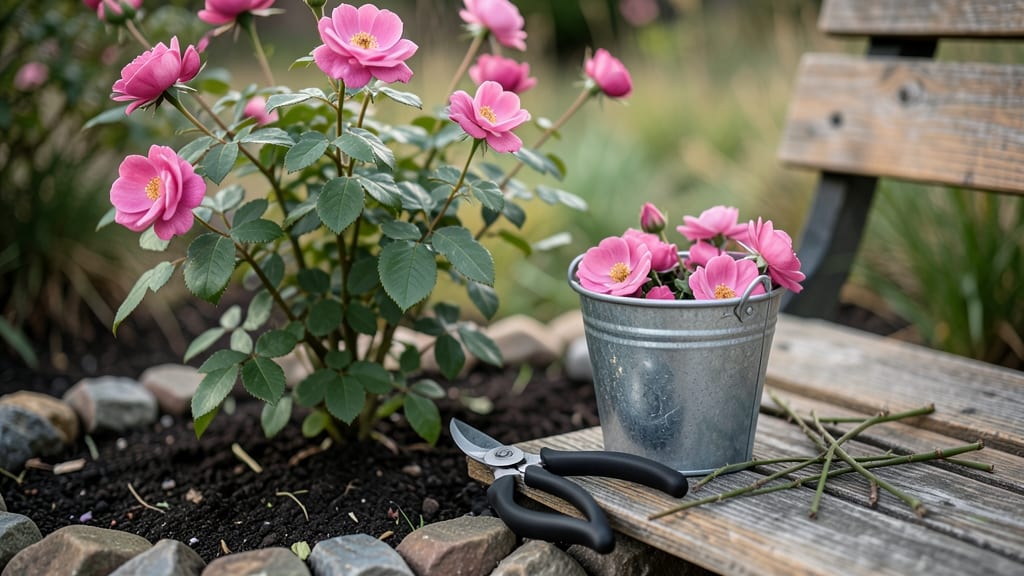
How to pick a rose that thrives in your climate—not just one that catches your eye in the catalog—can save you from heartbreak (and wilting blooms) by summer’s end. 🌹 I learned the hard way—my first hybrid tea roses wilted by July in our hot, humid summers, while my grandmother's... old shrub roses bloomed nonstop.
The secret lies in stem strength, disease resistance, and how well it handles your local weather. Start by matching your climate zone to rose types: hybrid teas need full sun and cool summers, while floribundas and shrub roses handle heat better.
Look for varieties labeled "disease-resistant" or "low-maintenance" at reputable nurseries—avoid plants with yellow leaves or soft stems, which signal poor health. Online, check reviews for real-world performance in your area.
You'll end up with roses that stay vibrant all season, with fewer thorns to deal with and blooms that last longer in vases. My current favorites? 'Knock Out' roses for effortless blooms and 'David Austin' English roses for old-fashioned charm with modern hardiness.
Whether you want cut flowers, a fragrant hedge, or ground cover, the right rose transforms your space. Here's how to pick one that won't let you down.
📚 In This Guide
- What you need
- Instructions
- Tips and common mistakes
- Wrapping up and next steps
What you need
- ● Sharp pruning shears or garden scissors – Choose a pair with bypass blades (not anvil-style) to make clean cuts without crushing stems. Size: 5-7 inches for precision.
- ● Bucket or vase – A 5-gallon bucket (for field use) or a clear glass vase (for immediate testing) to hold your roses temporarily.
- ● Water – At least 1 gallon for hydrating stems and testing buoyancy.
- ● Notebook & pen – To jot down notes on stem strength, color, and bloom quality.
- ○ Gloves (optional but recommended) – Lightweight gardening gloves to protect your hands from thorns and dirt.
- ● Hydration solution – A commercial flower food packet or homemade mix (sugar + bleach + water) to extend vase life.
- ● Flashlight or headlamp – For early morning or late afternoon picking in low light.
- ● Small mirror or magnifying glass – To inspect tiny details like bud tightness or pest signs.
- ● Cooling pack or insulated bag – If transporting roses long-distance, keep stems hydrated and stems cool.
How to pick a rose: Step-by-Step stem strength check
Here's how I select roses that last for days—not just hours—after the cut.
🌿 Step 1: Examine the Stem for Freshness
Look for a stem that feels firm but slightly flexible when you gently squeeze it. A fresh stem should have a slight snap rather than bending permanently. Avoid stems that feel mushy or hollow at the base—these are already past their prime. The best stems have a slight sheen of moisture, indicating recent cutting. If the stem feels dry or papery, it won’t absorb water well and will wilt quickly.
Check the stem’s color too. A fresh cut stem should be a vibrant green, not yellowed or browned. Yellowing at the base signals the plant was cut too early or left too long in the vase. Run your fingers along the stem—you should feel a smooth texture without rough patches or cracks. Rough spots can trap bacteria, shortening the rose’s life.
🌱 Step 2: Inspect the Bud and Leaves
The bud is your first clue to longevity. Choose a bud that’s fully formed but hasn’t yet opened—this means it’s still drawing nutrients from the stem. A tight bud will stay fresh longer than one already blooming. Gently press the bud between your fingers; it should feel firm, not soft or squishy. If it gives easily, the rose is overripe and will drop petals within 24 hours.
Look at the leaves too. Healthy leaves should be a deep, glossy green and free of holes, spots, or yellowing. Avoid roses with blackened leaves or white powdery residue—these are signs of disease or pest damage. A few small holes from insects are fine, but widespread damage means the rose won’t last. Strip off any leaves that would sit below the waterline in a vase; submerged leaves rot quickly and foul the water.
☀️ Step 3: Test the Stem’s Water Absorption
This is the trick I swear by: Hold the stem under running water for about 10 seconds and watch how it reacts. A good stem will absorb water immediately, and you’ll see tiny bubbles forming along its length. If the stem doesn’t bubble or only bubbles at the very tip, it’s already sealed off and won’t hydrate properly. This simple test saves me from buying roses that wilt overnight.
While the stem is wet, give it a quick sniff. A fresh stem should smell clean and slightly sweet, like green leaves. If it smells musty, sour, or like decay, the rose is already past its peak. Even if the petals look perfect, the stem’s condition determines how long they’ll stay that way. Don’t skip this step—it’s the difference between a rose that lasts a week and one that lasts a day.
✂️ Step 4: Cut at the Right Angle and Length
Use clean, sharp scissors or pruners to make a 45-degree angle cut about 6 inches from the base of the bloom. This angled cut increases the surface area for water absorption, which is critical for long vase life. Avoid jagged cuts—they prevent water from traveling up the stem. If you’re buying pre-cut roses, check the cut ends. They should be fresh-looking, not dried out or calloused over.
Hold the stem under running water again for a few seconds after cutting to flush out any air bubbles that might block water uptake. Place the rose in a vase with lukewarm water (not cold) immediately. Cold water can shock the stem and slow hydration. Change the water every 2-3 days and recut the stems at a fresh angle to keep them drinking. This small effort extends vase life by days.
💧 Step 5: Choose the Right Time of Day
Roses picked in the early morning or late evening last longer than those cut during the heat of the day. Early morning roses haven’t yet lost moisture to the sun, and evening roses haven’t been stressed by daytime heat. If you’re buying from a market or florist, ask when the roses were cut. The fresher the cut, the longer they’ll last in your home.
I also avoid roses with heavy dew or rainwater on the petals—this can cause them to rot faster. Gently pat dry any damp petals with a paper towel before arranging. And here’s a pro tip: Place the vase in a cool spot away from direct sunlight, drafts, or heating vents. Roses are delicate; they thrive in stable, moderate conditions. A little attention to their environment makes all the difference in how long they stay beautiful.
Tips & tricks for perfect rose selection
These simple strategies will help you pick roses that last longer than most bouquets you've ever bought.
The Stem Snap Test: In Step 1, when examining stems, I learned the hard way that a "snap" test is more reliable than just looking. Hold the stem near the base and bend it gently—it should snap back with a slight resistance, not bend permanently. This tells you the stem has enough moisture and structural integrity to last. I've bought roses that looked perfect but had limp stems that wilted within hours. The snap test catches that before you pay.
Bud Firmness Matters: For Step 2, focus on the bud's firmness rather than just its appearance. A bud that feels slightly resistant when pressed (like pressing your thumb gently against a ripe peach) will stay closed longer. I once bought roses with buds that looked perfect but felt soft—within 24 hours, they'd already started dropping petals. That firmness check in Step 2 is your secret weapon for longer-lasting blooms.
Water Absorption Secret: The 10-second water test in Step 3 is non-negotiable. I've seen stems that looked perfect but didn't bubble at all—those roses lasted just 2 days. The bubbling action shows the stem's vascular system is open and ready to drink. Pro tip: If you're buying pre-cut roses, do this test immediately upon purchase. It's the single best predictor of vase life I've found.
Environmental Setup: After following all the steps, don't overlook the vase placement in Step 5. I've had roses that met every freshness criterion but wilted in 3 days because they sat in direct sunlight. Place your vase in a spot with indirect light, away from heating vents or drafts. A cool bathroom with natural light is actually ideal—it's why bathrooms are traditionally where people display flowers.
Pro Tips for Pick A Rose
- These simple strategies will help you pick roses that last longer than most bouquets you've ever bought.
- The Stem Snap Test: In Step 1, when examining stems, I learned the hard way that a "snap" test is more reliable than just looking.
- Bud Firmness Matters: For Step 2, focus on the bud's firmness rather than just its appearance.
Frequently asked questions
Got questions about picking the perfect rose? You’re not alone! Here are some of the most common queries—and their answers—to help you snag a stem that’ll last for days (or even weeks).
How do I know if a rose is fresh enough to pick?
Look for tight buds (not fully open) and deep green leaves with no yellowing or browning. Gently tug a leaf—if it snaps easily, the stem is hydrated and fresh. Avoid roses with wilted petals or mushy stems, as they’re past their prime.
What’s the best time of day to pick roses for longevity?
Early morning is ideal! Roses picked before 9 AM have the most water in their stems, making them last longer in a vase. If you must pick later, do it in the evening—just avoid midday heat, which can stress the plant and shorten vase life.
Can I pick roses from my neighbor’s garden? What about public parks?
Always ask permission first—even if the roses aren’t behind a fence. Many cities and parks prohibit picking blooms to protect local ecosystems. If you’re unsure, opt for roses from your own garden, a local florist, or a rose farm that allows harvesting.
Do I need special tools to pick roses, or can I use scissors?
While pruning shears or sharp bypass pruners are best, clean scissors or even a knife work in a pinch. Just sanitize your tool with rubbing alcohol first to prevent disease. Avoid tearing stems—always cut at a 45-degree angle about 6 inches from the base for better water uptake.
What should I do if it just rained, and I need to pick roses?
Wait at least 2–3 hours after rain to let excess water evaporate from the stems. Wet stems can rot faster in a vase. If you’re in a hurry, gently pat dry the foliage and stems with a paper towel before cutting to reduce moisture buildup.
Wrapping up and next steps
Choosing the perfect rose starts with a firm grip on the stem—literally! A sturdy, flexible stem and vibrant petals are your secret to roses that last. Remember, the right rose isn’t just about looks; it’s about longevity and joy in every bloom.
Now that you’re armed with the know-how, grab those shears and head to your garden—or the nearest florist—with confidence! 🌹 Share your newfound expertise with fellow plant lovers, or treat yourself to a bouquet that’ll outshine the rest. Happy picking!