
Planting
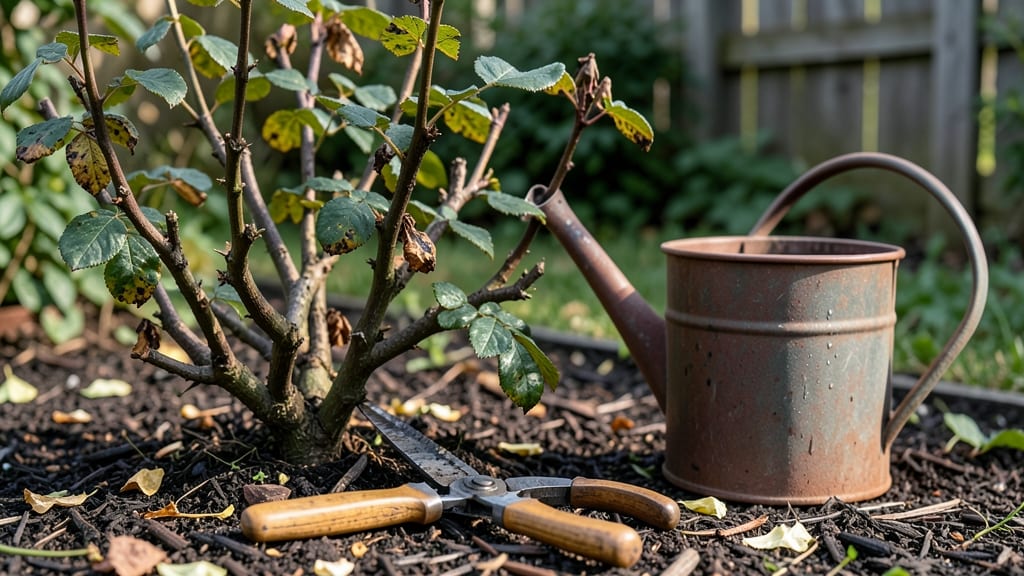
Reviving a dying rose plant starts with a single honest look at its roots—and I’ve brought mine back from the brink twice. 🌹 The first step is diagnosing the real problem: is it thirsty, drowning, starving, or under siege?
Most gardeners (myself included) jump to pruning before checking the basics, and that’s how you waste precious time. Your roses are whispering clues through their leaves, stems, and soil. Yellowing leaves? Could be overwatering or nutrient starvation. Blackened canes? Fungal rot or winter damage.
The fix isn’t one-size-fits-all—some need a deep drink, others a drastic haircut, and a few just need you to call in the cavalry (aka neem oil). I’ll walk you through the telltale signs and the exact steps to turn your sad bush into a blooming star again.
By the time you’re done, you’ll have a revitalized plant that’s stronger than ever, with fewer pests and better resistance to future stress. The key is acting fast—once the roots rot or the disease sets in, even the best pruning won’t save it. Let’s get those canes perking up!
Here’s the hard truth: most roses don’t die from one thing—they’re a slow-motion train wreck of neglect. I learned that the first time I nearly lost my ‘Knock Out’ rose to black spot. It started with a few brown spots on the leaves, then spread like wildfire.
The fix? Pruning out infected growth, treating with fungicide, and amending the soil with compost to boost immunity. Start by giving your rose a good soak—if the soil’s bone-dry, it’s been neglected. If it’s soggy, hold off on watering and check for root rot.
Then, grab your pruners and cut back dead or diseased wood to healthy growth. Don’t be shy—roses are tougher than they look. After that, feed it with a balanced fertilizer and watch for improvement in 2-3 weeks.
Prevention is where the real magic happens. I now inspect my roses weekly for early signs of trouble—sticky leaves (aphids), curled edges (spider mites), or powdery white residue (powdery mildew).
A 3-inch layer of mulch keeps roots cool in summer and insulated in winter, while proper spacing improves airflow and cuts down on fungal diseases. If your rose still looks miserable after a month of care, it might be time to call in a pro.
Some issues, like deep-root rot or advanced canker disease, need expert intervention. But in my experience, 90% of “dying” roses just need a little TLC—and the right pruning can make all the difference.
Root Causes of Rose Decline
Understanding why your rose plant is struggling is the first step to bringing it back to life. Roses are resilient, but they’re also sensitive to environmental stress and care mistakes.
Below, we break down the real culprits behind a wilting, yellowing, or dying rose—so you can tackle the problem at its source.
Roses hate soggy roots. When soil stays waterlogged for too long, oxygen can’t reach the roots, leading to root rot—a fungal infection that cuts off nutrients and water uptake.
Signs include: - Yellowing leaves (especially on older growth) - Mushy, black, or foul-smelling roots when checked - Stunted growth despite regular watering
Why it happens:
- Compacted or heavy clay soil traps excess moisture.
- Overzealous watering (especially without checking soil moisture).
- Lack of drainage holes in containers or poor mulching practices.
Pro tip: 💡 Test your soil by sticking your finger 2 inches deep—if it’s damp, wait before watering. If your pot lacks drainage, repot immediately!
Roses love sunlight, but intense afternoon sun (especially in hot climates) can scorch leaves, causing:
- Brown, crispy edges on leaves
- Bleached or white patches (like sunburn)
- Wilting despite moist soil
Why it happens:
- Sudden exposure to full sun after shade-acclimated growth.
- Lack of hydration—plants transpire faster in heat, leading to dehydration.
- Poor airflow traps heat around leaves.
Fix it: Gradually introduce sunlight and water deeply in the early morning or late evening. A light shade cloth can help in extreme heat.
Fungi like black spot, powdery mildew, or rust thrive in humid, shaded conditions. They clog pores, block photosynthesis, and weaken the plant. Look for:
- Black spots with yellow halos (black spot)
- White powdery coatings (mildew)
- Orange pustules (rust)
Why it happens:
- High humidity (especially in containers or dense foliage).
- Poor airflow from overcrowded plants.
- Wet leaves (watering overhead or poor drainage).
Pro tip: 🌡️ Prevent fungal spread by watering at the base, spacing plants for airflow, and using neem oil or copper fungicide as a preventive spray.
Sap-sucking pests like aphids, spider mites, or scale insects weaken roses by feeding on leaves and stems. Signs include:
- Sticky residue (honeydew) on leaves
- Webbing (spider mites)
- Curled or distorted leaves
Why it happens:
- Drought stress makes plants more vulnerable.
- Over-fertilizing attracts pests (especially soft-bodied insects).
- Lack of natural predators (like ladybugs or lacewings).
Act fast: 🔥 Blast pests off with a strong spray of water, or use insecticidal soap for severe cases.
Roses need balanced nutrients (nitrogen, phosphorus, potassium) to thrive. Deficiencies cause:
- Yellow leaves (nitrogen deficiency)
- Purple stems or weak growth (phosphorus lack)
- Brown leaf edges (potassium deficiency)
Why it happens:
- Poor soil quality (lack of organic matter).
- Over-pruning without feeding (removes nutrient storage).
- Improper fertilizer use (too much salt burns roots).
Fix it: 💪 Feed with a balanced rose fertilizer (10-10-10) in spring and summer, and amend soil with compost for long-term health.
Roses hate sudden shifts in temperature, light, or wind. Symptoms include:
- Dropping buds or leaves after transplanting.
- Wilting despite moist soil (transplant shock).
- Brown tips from cold drafts or heat waves.
Why it happens:
- Moving plants indoors/outdoors without acclimation.
- Exposure to windburn (dry, harsh winds desiccate leaves).
- Temperature swings (e.g., frost followed by heat).
Solution: 🌿 Hardening off plants gradually and protecting them from extreme weather with mulch or windbreaks.
Physical root damage (from digging, pests, or disease) can severely limit water and nutrient uptake. Signs:
- Sudden wilting even with water.
- Fewer new growth despite good care.
- Roots that break easily when examined.
Why it happens:
- Over-pruning roots during transplanting.
- Girdling roots (roots growing in circles, restricting growth).
- Root-knot nematodes (microscopic worms that damage roots).
Act now: 🔪 Inspect roots—healthy roots are white or light brown. Trim damaged sections and soak in a fungicide solution before replanting.
Revive Your Rose Plant Now
Your rose plant is struggling, but all hope isn’t lost! With the right care, you can nurse it back to health and watch it bloom again. Below, we’ve mapped out practical solutions for the most common causes of decline—along with prevention tips to keep your roses thriving long-term.
If your rose’s soil feels soggy or the leaves turn yellow, it’s likely drowning in excess moisture. Roots need air too!
How to Fix It:
🔥 Step 1: Check the Soil
- Stick your finger 2 inches into the soil. If it’s damp, hold off on watering.
🍳 Step 2: Improve Drainage
- Mix in perlite, sand, or compost (20% of the soil mix) to aerate it.
- Repot if needed—use a container with drainage holes.
👨🍳 Step 3: Adjust Watering Habits
- Water deeply but infrequently (1–2 times per week, depending on climate).
- Water at the base, not the leaves, to prevent fungal issues.
🥘 Step 4: Let It Dry Between Waterings
- Wait until the top inch of soil feels dry before watering again.
Prevention Tips:
✔ Use well-draining potting mix (avoid heavy clay soil). ✔ Monitor weather—reduce watering in rainy seasons. ✔ Mulch around the base (2–3 inches) to regulate moisture.
Drooping, crispy leaves? Your rose might be thirsty or overheating.
How to Fix It:
🔥 Step 1: Give It a Deep Drink
- Water until it drains from the bottom of the pot or soil.
🍳 Step 2: Move It to Shade
- Place in partial shade (especially in peak afternoon sun).
👨🍳 Step 3: Mist the Leaves (Gently!)
- Use a spray bottle to hydrate foliage—avoid soggy leaves.
🥘 Step 4: Check for Root Rot
- If roots smell foul or are mushy, trim the bad ones and repot.
Prevention Tips:
✔ Water in the morning to reduce evaporation. ✔ Use a self-watering pot for consistency. ✔ Group roses with other plants to create a microclimate.
Yellow spots, black patches, or white powder? Fungi are likely the culprit.
How to Fix It:
🔥 Step 1: Prune Infected Leaves
- Snip off blackened or mildewed leaves with sterilized scissors.
🍳 Step 2: Apply Fungicide
- Spray with neem oil, baking soda solution (1 tsp per liter of water), or copper fungicide.
👨🍳 Step 3: Improve Airflow
- Space plants 6–12 inches apart and prune to open the canopy.
🥘 Step 4: Water at the Base Only
- Avoid wetting leaves to prevent spores from spreading.
Prevention Tips:
✔ Water early in the day so leaves dry quickly. ✔ Space roses properly to reduce humidity buildup. ✔ Clean up fallen leaves to eliminate fungal habitats.
If leaves are pale, curled, or stunted, your rose may be hungry.
How to Fix It:
🔥 Step 1: Test the Soil
- Use a soil test kit to check pH (ideal: 6.0–6.5 for roses).
🍳 Step 2: Fertilize Properly
- Use a balanced rose fertilizer (10-10-10) or organic options like compost tea.
- Feed every 4–6 weeks during growing season (spring–fall).
👨🍳 Step 3: Boost with Micronutrients
- Add Epsom salt (1 tbsp per gallon of water) for magnesium if leaves are yellow between veins.
🥘 Step 4: Mulch for Slow Release
- Apply 2–3 inches of organic mulch (like bark or straw) to retain nutrients.
Prevention Tips:
✔ Feed roses in early spring to kickstart growth. ✔ Avoid over-fertilizing—more isn’t better! ✔ Rotate fertilizers (e.g., switch between synthetic and organic).
If roots circle the pot or growth slows, it’s time to refresh its home.
How to Fix It:
🔥 Step 1: Gently Remove the Plant
- Tip the pot and loosen roots with your fingers.
🍳 Step 2: Trim Tangled Roots
- Snip circular or mushy roots with clean shears.
👨🍳 Step 3: Repot in Fresh Soil
- Use a larger pot (1–2 inches bigger in diameter) with fresh, well-draining soil.
🥘 Step 4: Water Thoroughly After Repotting
- Keep soil moist (not soggy) for the first week.
Prevention Tips:
✔ Repot every 2–3 years or when roots fill the container. ✔ Use lightweight potting mix (avoid garden soil). ✔ Choose pots with drainage holes—non-negotiable!
Sticky leaves, webbing, or chewed foliage? Pests are likely the problem.
How to Fix It:
🔥 Step 1: Inspect Leaves & Stems
- Look for tiny bugs, webs, or holes in the foliage.
🍳 Step 2: Blast Them Off
- Spray with soapy water (1 tsp mild soap per quart of water) or neem oil.
👨🍳 Step 3: Introduce Beneficial Insects
- Release ladybugs or lacewings to eat aphids naturally.
🥘 Step 4: Remove Severely Damaged Leaves
- Prune away heavily infested parts to stop the spread.
Prevention Tips:
✔ Spray leaves with water weekly to deter pests. ✔ Use row covers if beetles are a recurring issue. ✔ Encourage predator plants (like marigolds) nearby.
Pro Tip: 🌡️ Monitor your rose’s progress—if it’s not improving in 2 weeks, revisit the cause and adjust care. Patience and consistency are key!
Frequently asked questions
How can I tell if my rose's roots are rotting?
Check for black, mushy roots that smell foul when disturbed. Healthy roots should be firm and light tan/brown. If you see these signs, trim the bad sections with clean shears and repot in fresh, well-draining soil. Pro tip: Let the soil dry slightly between waterings to prevent future rot.
Can I revive a rose that's completely bare with no leaves?
Yes, but act fast! First, check for green buds or canes—these can regrow leaves. Prune dead wood and soak the roots in water for 15-20 minutes to rehydrate. Then, move it to bright indirect light and keep soil consistently moist. New growth may appear in 2-4 weeks if the root system is still alive.
What's the best fertilizer ratio for reviving roses?
Use a balanced 10-10-10 fertilizer (equal parts nitrogen, phosphorus, potassium) to encourage overall health. For nutrient deficiencies, add Epsom salt (1 tbsp per gallon of water) monthly for magnesium. Avoid high-nitrogen fertilizers alone—they promote leafy growth at the expense of flowers. Feed every 4-6 weeks during growing season.
How often should I prune a struggling rose?
Prune dead, diseased, or crossing branches immediately—they drain energy. For severe cases, do a hard prune (cutting back to 1/3 of the plant's height45-degree angle just above an outward-facing bud.
When should I give up on reviving a rose?
If the plant shows no new growth after 6 weeks of proper care, has completely blackened canes, or smells rotten throughout, it may be beyond saving. However, if you see any green (buds, shoots, or leaves), keep trying—roses are surprisingly resilient! For hopeless cases, consider propagating healthy cuttings from the same plant.