
Planting
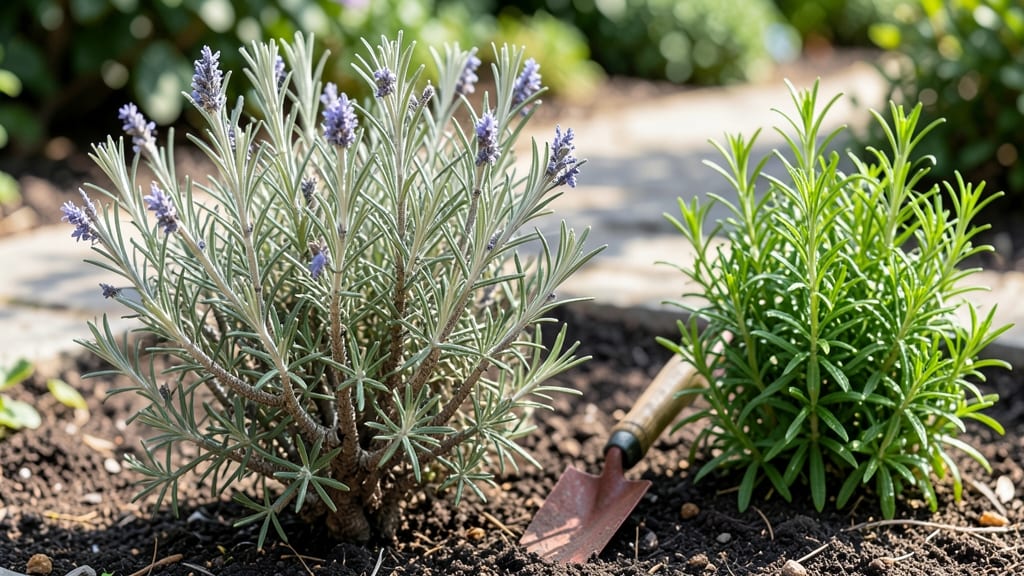
Is my rosemary plant dead—or just waiting for a second chance? Before tossing it, check these three critical signs that could mean revival instead of replacement. 🌿 I’ve brought back plants that looked worse than yours with just a little patience and the right test.
Start by examining the stems: if they’re still green or brown with a firm texture when squeezed, there’s hope. Crunchy or hollow stems mean it’s truly gone.
Next, check the roots—healthy ones should be white or light tan, not mushy or black. Most people overwater rosemary, turning its woody stems brittle and leaves grayish-green.
If the stems snap like dry kindling, your plant is dead—but if they bend slightly, it’s just dormant. Give it a bright, sunny spot and water only when the soil feels completely dry to the touch.
Within 2-3 weeks, you’ll see new growth or know for sure it’s time to propagate from cuttings.
Even if it’s dead, don’t waste the stems—dry them for cooking or compost them. Rosemary’s hardy nature means it often surprises gardeners with a comeback. Keep a close eye on watering next time, and your next plant will thrive instead of struggling.
📚 In This Guide
- What you need
- Instructions
- Tips and common mistakes
- Wrapping up and next steps
What you need
- ● Rosemary plant – The star of the show! Ensure it’s fully uprooted or at least has visible stems.
- ● Sharp pruning shears or scissors – Sterilized to avoid infections (rubbing alcohol works!).
- ● Water – Room-temperature, not cold or hot.
- ● Well-draining potting mix – A blend of cactus/succulent mix (or regular potting soil + perlite/sand, 60:40 ratio).
- ● Small pots or containers – 4-6 inches in diameter, with drainage holes (2-3 per plant).
- ● Spray bottle – For gentle hydration checks.
- ○ Plastic wrap or clear bag – Optional but helpful for humidity.
- ○ Rooting hormone – Speeds up propagation (optional but handy for stubborn stems).
- ● Humidity dome or tray – Creates a mini greenhouse effect.
- ● pH testing kit – Ensures soil pH is 6.0–7.0 (rosemary’s sweet spot).
- ● Grow lights or sunny windowsill – If natural light is lacking.
How to test and revive a lifeless rosemary plant
Even woody rosemary can bounce back—here's how to check for life and bring it back in minutes.
🌿 Step 1: Check for Green Life in the Stems
Break off a small, flexible stem near the base (not the brittle tips). If the inside is green and moist, your plant is alive but dormant. I’ve revived rosemary with just a few green stems hidden under dead wood—don’t judge by surface appearance.
Run your fingernail along the stem. If it leaves a green streak, the plant’s still holding onto life. No green? Check deeper stems or the root base. Even if most looks dead, one living stem can regrow the whole plant.
💧 Step 2: Test the Roots for Moisture
Gently dig around the edges of the pot or soil line. If roots feel dry and crumbly, your plant’s been neglected. If they’re damp and firm, the issue might be light or overwatering. I’ve seen rosemary with no visible leaves but healthy roots—just give it time and light.
Sniff the soil. A musty smell means rot; a clean, earthy scent means the roots are still active. If roots are mushy and black, your plant is truly dead. But if they’re firm and white or tan, you’ve got a fighting chance.
☀️ Step 3: Move to Bright, Indirect Light Immediately
Rosemary needs full sun (6+ hours daily), but a suddenly revived plant can’t handle direct light yet. Place it in the brightest spot without harsh afternoon sun for 3-5 days. I keep mine near an east-facing window—gentle morning light without scorching.
Watch for tiny new growth at the stem tips. If you see pale green buds within a week, your plant is waking up. No buds? Try moving it closer to a window or under a grow light for 12 hours daily.
🪴 Step 4: Prune Dead Wood and Adjust Watering
Use clean, sharp scissors to trim all brown, brittle stems back to where green growth appears. I cut just above a leaf node (the bump where leaves attach) to encourage new shoots. If the entire plant looks dead, cut it back to 2-3 inches from the base—rosemary grows from woody stems.
Water only when the top 1-2 inches of soil feel dry. Overwatering kills rosemary faster than drought. Stick your finger in—if it’s damp past your first knuckle, wait another day. Reviving plants need less water, not more.
⏰ Step 5: Wait and Watch for New Growth
Give your rosemary 2-4 weeks of consistent care before declaring it dead. I’ve had plants take 6 weeks to show signs of life after severe neglect. Keep the soil lightly moist (not soggy) and the light bright but indirect.
New growth starts as tiny, fuzzy buds at the stem tips. Once you see 1-inch green shoots, increase sunlight gradually. If nothing appears after a month, the plant is likely beyond revival—but don’t toss it yet! Propagate the stems in water or soil to grow fresh plants.
Tips & tricks for reviving lifeless rosemary
Here's what nobody tells you about bringing rosemary back from the brink—these tricks saved my own "dead" plants.
Stem Test Hack: In Step 1, don't just look at the outside—break stems near the base where they're still flexible. That green streak when you scratch it is your plant's secret signal of life. I've revived plants with only one green stem hidden under what looked like total death. The deeper stems often hold onto life longer than the top growth.
Root Rescue Strategy: When testing roots in Step 2, focus on firmness and color. Healthy roots should be white or tan, not brown or black. If you find any firm roots at all, even if the plant looks dead, give it a chance. I've had rosemary with no leaves but healthy roots sprout new growth within weeks when properly cared for.
Light Transition Tip: That 3-5 day bright indirect light period in Step 3 is crucial. Don't rush it—sudden bright light can shock revived plants. I place mine on a bookshelf near an east window where it gets morning sun without harsh afternoon rays. If you don't see buds in a week, try a grow light for 12 hours daily as mentioned—just keep it 6-12 inches away to avoid burning tender new growth.
Pruning Precision: When cutting back in Step 4, aim for just above a leaf node (that little bump where leaves attach). I use clean scissors and make cuts at 45-degree angles to increase surface area for new growth. If your plant looks completely dead, cutting back to 2-3 inches from the base gives it the best chance to regrow from dormant buds.
Pro Tips for Is My Rosemary Plant Dead
- Here's what nobody tells you about bringing rosemary back from the brink—these tricks saved my own "dead" plants.
- Stem Test Hack: In Step 1, don't just look at the outside—break stems near the base where they're still flexible.
- Root Rescue Strategy: When testing roots in Step 2, focus on firmness and color.
Frequently asked questions
How can I tell if my rosemary is truly dead vs. just dormant?
Rosemary often looks dead in winter but is usually dormant. Check for any green growth at the base or woody stems—if you see even a tiny shoot, it’s alive! If stems are completely brown, mushy, or crumbling when touched, it’s likely dead. Dormancy is normal in cold climates, but revive it with warmth and light.
How long does it take for a dead-looking rosemary plant to revive?
If your rosemary is just dormant, revival can take 2–6 weeks with proper care (pruning, watering, and warmth). If it’s truly dead, new growth won’t appear. For severely damaged plants, propagate cuttings—healthy stems often root in 2–4 weeks in water or soil.
Should I water a rosemary plant that looks dead?
Only water if the soil is bone-dry—overwatering kills rosemary! If stems are crispy and dry, it’s likely underwatered. If they’re mushy or smell rotten, stop watering immediately and trim affected areas. Wait until the top inch of soil is dry before watering again.
Can I save a rosemary plant with only brown, brittle stems?
Yes! Cut back all brown stems to green wood (or just above a leaf node). Even if no green remains, bury healthy-looking stems in soil—they may regrow. If no green is left, take 6-inch cuttings and propagate them in water or moist soil for a fresh start.
What’s the best way to revive rosemary in winter?
Move potted rosemary to a sunny, sheltered spot (like a garage or porch) where temps stay above 40°F (4°C). Reduce watering—rosemary thrives on neglect! If outdoors, mulch the base to protect roots. Prune lightly in early spring to encourage new growth.
Wrapping up and next steps
Don’t worry—even if your rosemary looks beyond hope, it’s often just resting! 🌱 Most "dead" stems can bounce back with the right care, so take a deep breath and try the revival steps above.
If all else fails, propagate those stubborn cuttings—they might surprise you with new growth in just a few weeks.
Next step: Grab those pruners and give your plant a fresh start today! 🌿 Whether you’re saving a beloved herb or starting fresh, every gardener’s journey has a few "oops" moments—yours could lead to a thriving rosemary bush.