
Blooming
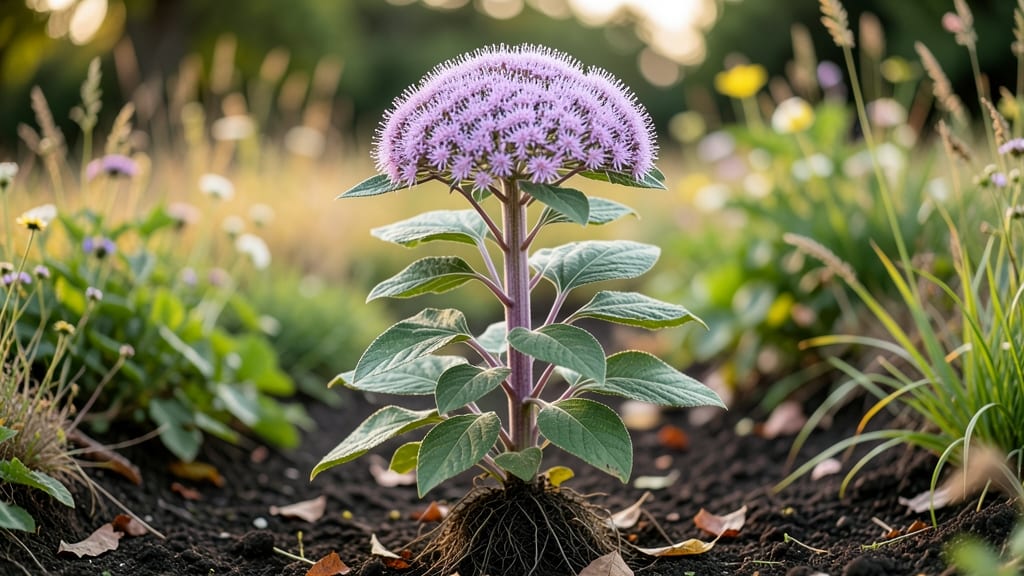
Joe Pye weed blooms in mid to late summer 🌸, but the exact timing depends on your heat zone and a few key growing conditions.
If you’ve ever wondered why your Joe Pye weed blooms earlier in some years than others, the answer likely lies in your heat zone—and understanding these shifts can help you time your garden’s most stunning floral displays with precision.
In USDA Zone 6a, where I garden, the first flush of pink-purple blooms usually arrives in early July, with a second round in late August. But move just a few zones south, and those dates creep forward by weeks.
Below, I’ll break down how to predict your plant’s bloom time, plus three simple tricks to extend those show-stopping flowers well into fall.
Joe Pye weed bloom time by USDA heat zones: when to expect first & second flowering
If you've planted Joe Pye weed (Eutrochium spp.), you know its dramatic pink-purple blooms are a late-summer garden showstopper—but the exact timing varies wildly depending on your USDA heat zone.
In cooler zones like 3-5, blooms may appear as early as mid-July, while gardeners in zones 8-10 often see flowers debuting by late June. These shifts happen because day length and soil warmth trigger flowering, and heat zones directly influence both.
The science behind it is fascinating: Joe Pye weed uses a combination of thermoperiodism (temperature-sensitive growth) and photoperiodism (daylight sensitivity). In hotter zones, warmer spring soils kickstart growth earlier, while cooler zones delay it until soil temperatures reach 60°F consistently.
Even within a single zone, a warm spring can advance blooms by 2-3 weeks compared to a cool one.
Here’s the key takeaway: Second blooms are far more common in zones 6-9, where warm fall temperatures extend the growing season. In zones 3-5, frost often cuts off the second flush before it starts.
Understanding these patterns helps you plan companion plants (like black-eyed Susans or coneflowers) to create a seamless seasonal transition.
🌿
In zones 3-4, where winters are harsh, early-spring planting (as soon as soil is workable) gives roots a head start. I’ve seen Joe Pye weed in zone 4 gardens bloom 3 weeks earlier when planted in raised beds—the extra warmth from the bed’s sides accelerates soil warming.
For zones 5-6, focus on moisture retention; dry spells can delay blooms by 10+ days.
For zones 7-10, the real secret to second blooms is deadheading. After the first flush fades, snip spent stems back by one-third to encourage new growth. In zone 9, I’ve had Joe Pye weed rebloom in October after deadheading in late August.
The trade-off? Second blooms are often smaller but still stunning against autumn foliage.
Temperature fluctuations also play a role. A late-spring frost in zone 6 can set blooms back by 2 weeks, while an early heatwave in zone 8 might trigger blooms 3 weeks early.
Pay attention to your local microclimate: South-facing beds bloom earlier than north-facing ones, even in the same zone.
If you’re in zone 10 and want year-round blooms, consider Eutrochium purpureum 'Little Spire', a dwarf variety that handles heat better than standard types. In zone 3, opt for 'Gateway', which matures faster and tolerates cooler soils.
The right variety can shift your bloom window by up to 4 weeks.
Pro tip: Use a soil thermometer to track when your soil hits 60°F—that’s your countdown to blooms. In my zone 6 garden, I mark the date I hit 60°F and add 90 days to estimate first blooms.
It’s a simple hack that’s saved me from over-pruning too early!
🌸
How to extend Joe Pye weed bloom time: pruning, deadheading, and seasonal care tips
Joe Pye weed (Eutrochium) is a garden star with its dramatic purple-pink blooms, but many gardeners struggle with short-lived flowers. The good news? With the right pruning techniques and seasonal care, you can extend those show-stopping blooms by 3-4 weeks or more.
The key lies in understanding when and how to intervene—without harming your plant.
First, let's address the biggest bloom-time myth: Joe Pye weed naturally produces a single flush of flowers per season, but with strategic deadheading and light pruning, you can coax a second round.
The secret? Timing everything perfectly with your plant's growth cycle and heat zone requirements. Let's dive into the proven methods that work.
- Deadhead spent blooms every 7-10 days to redirect energy to new flowers. Use clean pruners and cut just above the next set of leaves.
- Perform light pruning in early spring to remove dead stems while preserving new growth—never cut more than 1/3 of the plant.
- Apply a balanced fertilizer (5-10-10) in early summer when you notice new buds forming on side stems.
- Mulch with 2-3 inches of organic mulch to retain moisture and cool roots during hot summer months.
- Avoid fall pruning—this signals the plant to go dormant too early and cuts off potential second blooms.
One common mistake I see is over-pruning after the first bloom. While it's tempting to give your Joe Pye weed a hard cutback for tidiness, this can actually shorten bloom time by removing potential flower buds.
Instead, focus on selective deadheading—removing only the spent flower heads while leaving the rest of the plant intact. This encourages the plant to produce more buds along the stems.
For the best results, pair your pruning schedule with a consistent watering routine. Joe Pye weed thrives in moist but well-draining soil, and drought stress can cause buds to drop prematurely.
During peak bloom season (July-August in most zones), water deeply 2-3 times per week rather than frequent shallow watering. Aim for 1 inch of water per week, delivered in the early morning to prevent fungal issues.
Don't forget about soil health—Joe Pye weed loves rich, slightly acidic soil (pH 6.0-7.0). Before planting or in early spring, amend your soil with compost or aged manure to provide essential nutrients.
If your soil is clay-heavy, mix in sand or perlite to improve drainage. Well-fed plants with strong root systems produce more robust blooms that last longer.
Finally, pay attention to your local heat zone. In warmer climates (zones 7-10), Joe Pye weed may bloom earlier but often fades faster due to heat stress. Provide afternoon shade during extreme heat waves to protect blooms.
In cooler zones (3-6), focus on spring pruning to give the plant a strong start before summer's long days. With these adjustments, you'll enjoy vibrant Joe Pye weed blooms from July through September—or even later! 🌸