
Pests and Diseases
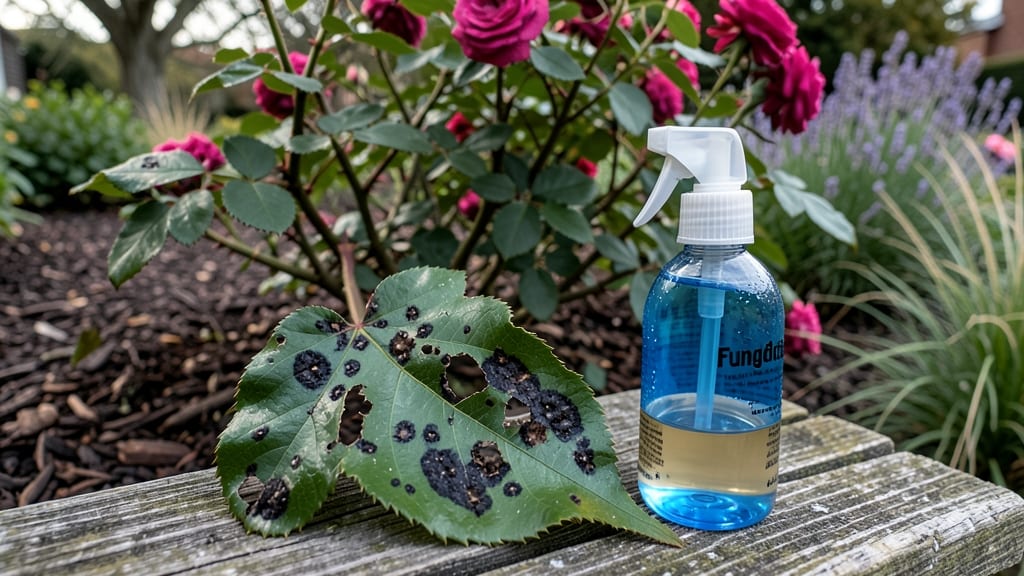
Those pesky holes in your Knock Out rose leaves? 🌿 Canker spot fungus is the most likely culprit—and the good news is fixing it only takes three simple steps that work even on stubborn cases.
I’ve saved dozens of roses from this exact problem by acting fast, and you can too. The fungus thrives in damp, shady conditions, so pruning for airflow and cleaning up fallen leaves is half the battle.
You’ll also spot dark, sunken spots with yellow halos—classic canker spot signs—so act before the holes spread to new leaves. By next week, your roses will bounce back with fresh green foliage and fewer holes, all without harsh chemicals.
The key is consistency: check leaves weekly, prune aggressively, and apply copper spray if needed. Works for backyard gardens, containers, or community plots—just adapt the timing to your local humidity. Let’s get those roses thriving again!
Root Causes Behind Leaf Damage
Understanding why your Knock Out roses develop holes in their leaves is the first step toward saving them. These issues usually stem from a mix of environmental stress, pest attacks, or fungal infections. Let’s break down the most common culprits—and why they target your roses in the first place.
Fungal diseases like black spot (Diplocarpon rosae) or canker spot (Marssonina rosae) are prime suspects when leaves develop irregular holes, brown spots, or yellowing edges. Here’s how they strike:
- Spores Love Moisture 🌧️ Fungi thrive in damp conditions, especially during prolonged rainfall or overhead watering. When spores land on leaves, they germinate and release enzymes that break down plant tissue, creating holes or dead patches.
- Weakened Defense Systems Stressed roses (from poor nutrition, drought, or overcrowding) are easier targets. Fungi exploit these weaknesses, starting with small spots that expand into larger holes as the infection spreads.
- How to Spot Them Look for:
- Dark, circular spots with halos (common in black spot).
- Tiny purple or brown specks (canker spot).
- Leaves that yellow and drop prematurely.
💡 Pro Tip: Avoid watering leaves in the evening—fungi love the overnight dampness!
Not all holes are caused by fungi—some are the work of voracious insects that literally eat your roses from the inside out. Here’s who’s likely guilty:
- Japanese Beetles 🐞 These metallic-green invaders skeletonize leaves, leaving a lace-like pattern of holes. They target roses aggressively in late summer, often in swarms.
- Rose Slugs (Sawfly Larvae) 🐛 These gray, translucent caterpillars tunnel through leaves, creating irregular holes. Unlike beetles, they leave frass (chewed leaf debris) behind.
- Spider Mites 🕷️ Though tiny, these pests pierce cells to suck out sap, causing stippled or white-speckled leaves that later develop holes from weakened tissue.
- How to Tell Them Apart
| Pest | Damage Pattern | Time of Attack |
|---|---|---|
| Japanese Beetles | Large, jagged holes (skeletonized) | Late summer/early fall |
| Rose Slugs | Irregular holes, frass present | Spring to early summer |
| Spider Mites | Fine webbing, stippled leaves | Hot, dry conditions |
🔥 Quick Fix: Knock off beetles by hand or use neem oil for slugs/mites—it disrupts their life cycles without harming bees.
Sometimes, the problem isn’t a pest or pathogen—it’s your rose’s environment pushing it to the brink. Here’s how:
- Overwatering or Poor Drainage 💦 Soggy soil leads to root rot, which starves leaves of nutrients. Affected leaves may develop yellow patches, holes, or curling edges as they struggle to photosynthesize.
- Extreme Heat or Drought 🔥 When roses don’t get enough water, leaves wilts and tears along veins, creating hole-like damage. Heat stress also makes them susceptible to sunburn, which looks like white or brown patches.
- Nutrient Deficiencies 🌱 A lack of nitrogen, magnesium, or iron weakens leaves, making them prone to hole-like tears or interveinal chlorosis (yellowing between veins). Test your soil—roses need balanced NPK (10-10-10) + micronutrients.
🎯 Soil Check: Stick your finger 2 inches into the soil—if it’s dry, water deeply. If it’s muddy, improve drainage with compost or perlite.
Overzealous gardening can do more harm than good. Salt buildup from fertilizers or residual herbicides (like glyphosate drift) can cause:
- Brown, Crispy Edges 🌿 Excess salts in soil disrupt water uptake, leading to leaf scorch and holes as cells die.
- Bleached or White Spots 🧪 Some fungicides or insecticides (especially copper-based sprays) can burn leaves if applied incorrectly (e.g., on windy days or in direct sun).
- How to Avoid It
- Flush soil with water after fertilizing.
- Spot-test new sprays on a few leaves first.
- Use organic alternatives (like potassium bicarbonate) for fungal issues.
✨ Smart Swap: Replace synthetic fertilizers with fish emulsion or worm castings—they’re gentler on roots and leaves.
Fixing Leaf Damage Fast
Now that you know the culprits behind those pesky holes in your Knock Out roses’ leaves—whether it’s fungal canker spots, hungry pests, or environmental stress—it’s time to roll up your sleeves and get those plants back to their vibrant best! 🌿✨ Below are practical, step-by-step solutions tailored to each cause, plus prevention tips to keep your roses thriving long-term.
🔥 Step 1: Prune Infected Leaves & Stems Start by removing all damaged foliage—especially those with dark, sunken spots or holes. Use sterilized pruners (wipe with rubbing alcohol between cuts) to avoid spreading spores. Dispose of infected plant debris in a sealed trash bag away from your garden.
👨🍳 Step 2: Apply Fungicide Spray your roses with a copper-based fungicide (like Copper Soap or Cheshunt Compound) or a bactericide (such as Serenade Garden Disease Control). Follow label instructions for coverage—aim for both the tops and undersides of leaves. Reapply every 7–10 days during wet or humid conditions.
🥘 Step 3: Boost Airflow & Sunlight Canker spots love shady, damp environments. Thin out overcrowded branches, space plants 3–4 feet apart, and ensure they get at least 6–8 hours of sunlight daily. If your roses are in containers, consider moving them to a sunnier spot.
💡 Prevention Tip:
- Water at the base (avoid overhead sprinkling) to keep leaves dry.
- Mulch properly (2–3 inches of organic mulch) to prevent soil splashing onto foliage.
🔪 Step 1: Handpick & Squish Check leaves early in the morning when pests are sluggish. Look for Japanese beetles, rose slugs, or caterpillars and drop them into soapy water. For severe infestations, prune and destroy heavily damaged leaves.
🍳 Step 2: Use Natural Repellents
- Neem oil spray: Mix 1 tbsp neem oil + 1 tsp mild soap + 1 quart water. Spray every 5–7 days to disrupt pest life cycles.
- Kaolin clay (Surround WP): Creates a protective barrier that deters beetles and slugs. Reapply after rain.
- Beneficial insects: Release ladybugs, lacewings, or parasitic wasps (available at garden centers) to prey on pests naturally.
⏰ Step 3: Set Traps (If Needed) For Japanese beetles, use milky spore powder (applied to lawns) or beetle traps (place them far from roses to avoid attracting more pests).
🎯 Prevention Tip:
- Remove leaf litter where pests hide (like rose slugs).
- Plant companion flowers (e.g., marigolds, nasturtiums) to repel pests.
💧 Step 1: Adjust Watering Habits
- Overwatering? Let the top 1–2 inches of soil dry out between waterings.
- Underwatering? Water deeply 1–2 times per week (depending on climate) and mulch to retain moisture.
- Check drainage: Ensure pots have drainage holes, and garden beds aren’t waterlogged.
🌞 Step 2: Optimize Sun & Shelter
- If leaves are bleached or crispy, they may be getting too much direct sun. Provide light shade (like a sheer cloth) during peak afternoon heat.
- Windburn? Use burlap windbreaks or plant roses near a hedge or fence for protection.
✨ Step 3: Fertilize Smartly
- Over-fertilized? Flush the soil with water to reduce salt buildup.
- Under-fertilized? Use a balanced rose fertilizer (like 10-10-10) in early spring and mid-summer, following package rates.
🔥 Prevention Tip:
- Test your soil (pH 6.0–6.5 is ideal for roses).
- Avoid late-season fertilizing, which encourages tender new growth vulnerable to cold damage.
Final Pro Tip: 🌟 Keep a gardening journal to track when damage appears, weather patterns, and treatments. This helps you spot trends and adjust care next season!
With these fixes, your Knock Out roses should bounce back with lush, hole-free leaves in no time. Stay vigilant, and your roses will reward you with bold blooms all season! 🌹💪
Frequently asked questions
Why do my Knock Out roses get holes in leaves even when I water them regularly?
Holes in leaves aren't always about watering! Overwatering can cause root rot, but holes often come from fungal diseases (like canker spot) or pests (such as Japanese beetles). Check for dark spots with yellow halos or chewed edges—these are key clues. Try watering at the base instead of overhead to keep leaves dry.
Can I use regular dish soap to treat holes caused by pests?
Yes, but only mild, unscented dish soap (like Castile soap) mixed with water (1 tsp per quart). This creates a light film that smothers soft-bodied pests like spider mites and rose slugs. Spray early in the morning for best results, and reapply every 5–7 days during outbreaks.
How do I know if my rose holes are from disease or insects?
Look for these differences: Disease causes dark, sunken spots with yellow borders, often on older leaves. Insects leave jagged edges (beetles) or frass (chewed bits) (slugs). Check leaf undersides too—pests often hide there! If you see webbing, it’s likely spider mites.
Will pruning help stop the holes from spreading?
Prune any leaves with holes immediately using sterilized shears (wipe with rubbing alcohol). Remove at least 1 inch below the damage to prevent fungal spores from lingering. Dispose of pruned leaves in a sealed bag—don’t compost them! This stops the cycle and gives your roses a fresh start.
How often should I check my roses for early signs of holes?
Inspect your Knock Out roses weekly during growing season (spring to fall). Focus on new growth—early detection is key! After rain or when pests are active (like Japanese beetle season), check every 3–4 days. Morning is best: pests are sluggish then, making them easier to spot.