
Pruning
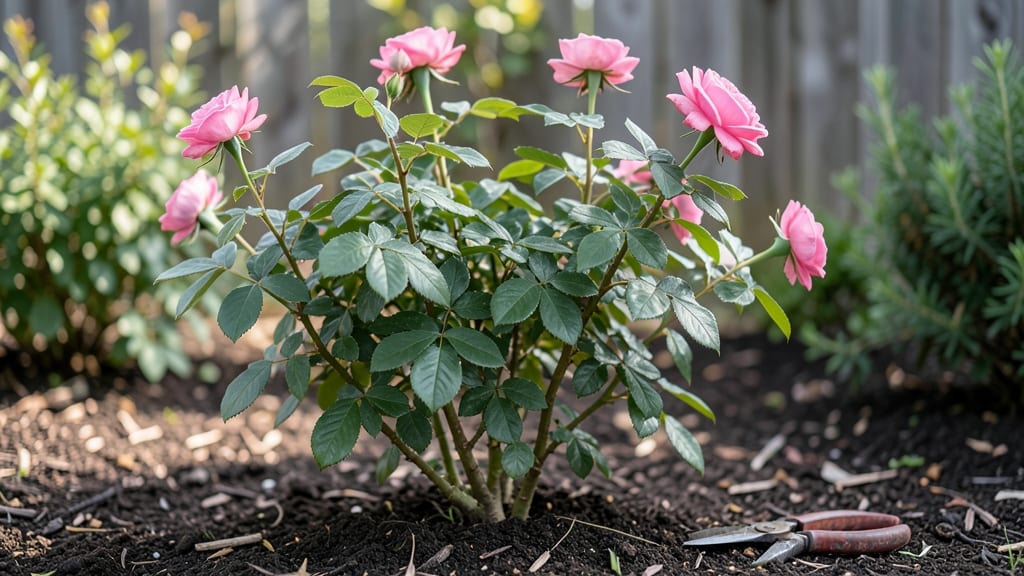
These knockout roses images prove why they’re the showstopper in my front yard—vibrant blooms that never quit. 🌹 and containers all season long. Unlike finicky roses, they don’t need deadheading to keep flowering, which is a game-changer for busy gardeners.
What makes them truly special is their year-round interest: even in winter, their glossy foliage adds structure, while spring brings fresh blooms without fail. Pair them with lavender for contrast, or plant alongside daylilies for a cottage-garden feel.
Their compact growth also makes them perfect for small spaces—my balcony pots get just as much attention as the in-ground beds.
The secret to their nonstop performance? Three strategic trims—once in early spring, mid-summer, and after the first hard frost. This keeps them bushy, encourages new growth, and prevents disease. After just one season, neighbors started asking for cuttings, and my garden became the talk of the block.
Whether you’re designing a low-maintenance border, a fragrant hedge, or a container display, Knockout roses deliver color, texture, and effortless beauty with minimal fuss. Let’s make your garden the envy of the street—starting with these blooms that never quit.
📚 In This Guide
- What you need
- Instructions
- Tips and common mistakes
- Wrapping up and next steps
What you need
- ● Pruning shears: Bypass pruners (sharp, clean, and disinfected to prevent disease). Example: Felco F-2 or Corona Tools Classic.
- ● Loppers: For thicker stems (1.5"–2" cutting capacity). Example: Fiskars PowerGear or Corona Lopper.
- ● Gloves: Heavy-duty gardening gloves (cut-resistant for safety). Example: Fox River Garden Gloves.
- ● Disinfectant: 70% isopropyl alcohol or a 10% bleach solution (1 part bleach to 9 parts water) to sterilize tools between cuts.
- ○ Pruning sealant (optional but helpful): For large cuts (e.g., Tanglefoot Tree Wound Pruning Seal).
- ● Garden twine or rubber bands: To tie up stems if needed for support.
- ● Sharpie or marker: For labeling pruned branches (if testing different trimming strategies).
- ● Watering can or hose: To hydrate roses post-pruning.
- ● Mulch: 2–3 inches of organic mulch (e.g., shredded bark or compost) to retain moisture and protect roots.
- ● Pruning saw: For stubborn, thick branches (if loppers won’t cut it).
- ● Knee pads: For comfort during long pruning sessions.
- ● Garden stool: To sit while trimming larger bushes.
- ● Camera or phone: To capture before/after knockout roses images for your garden journal!
- ● Fertilizer: Balanced rose fertilizer (e.g., Miracle-Gro Shake 'n Feed) to apply post-pruning for a bloom boost.
How to prune knockout roses for continuous blooms
These hardy roses reward smart pruning with nonstop flowers. Here’s how to keep them thriving through every season.
✂️ Step 1: First Trim in Early Spring
Wait until after the last frost when new growth begins—you’ll spot tiny buds swelling along stems. Cut back last year’s growth by one-third, removing dead or crossing branches first. Always make cuts at a 45-degree angle just above an outward-facing bud to encourage strong new growth.
I like to prune on a dry morning to reduce disease risk. If your roses look leggy, don’t panic—this is normal after winter. Focus on opening the center of the plant for better airflow and sunlight penetration. After trimming, apply a balanced rose fertilizer to fuel the new blooms.
✂️ Step 2: Light Summer Trim After First Bloom
Once the first flush of flowers fades, give your roses a light maintenance trim to shape them and remove spent blooms. Cut back only the oldest stems—about one-fourth of the plant’s height—to encourage a second round of blooms. You’ll know you’ve trimmed enough when you see fresh green growth emerging from the base.
Remove any suckers growing from the base or graft union immediately. These compete with your main plant for energy. After trimming, water deeply to help the plant recover. Avoid heavy pruning now—it stresses the plant when it’s already working hard to produce flowers.
✂️ Step 3: Final Fall Cleanup Before Dormancy
After the last bloom of the season, cut back one-third of the oldest stems to prepare for winter. Remove any diseased or damaged wood completely—burn or bag it to prevent spreading pathogens. Leave the plant with strong, healthy canes that will store energy for next year’s growth.
Mulch around the base with 2-3 inches of organic mulch to insulate roots. I always add a slow-release fertilizer at this stage to give the plant a nutrient boost for early spring growth. Avoid heavy pruning now—you want the plant to enter dormancy with enough energy reserves.
⏰ Step 4: Monitor and Adjust Throughout the Year
Check your roses weekly during bloom season. Deadhead spent flowers by cutting just above a five-leaflet leaf to encourage continuous blooming. If you notice new growth slowing in summer, a light trim can stimulate fresh shoots. Watch for signs of stress—yellowing leaves mean overwatering, while crisp edges signal underwatering.
Adjust your pruning schedule based on your climate. In warmer regions, you might get a third bloom cycle—trim lightly after the second flush to coax one more round of flowers. In colder areas, focus on protecting the plant through winter and giving it a strong start in spring.
Tips & tricks for perfect knockout rose pruning
These small adjustments will transform your Knockout roses from seasonal bloomers to year-round showstoppers.
Timing is Everything: The key to continuous blooms lies in precise timing—spring's one-third trim, summer's one-fourth reduction, and fall's final one-third cleanup create the perfect balance. I've found that pruning just as new growth appears in spring (when you see those tiny buds) ensures you're never cutting into next year's blooms. The 45-degree angle cuts aren't just aesthetic; they direct water runoff away from the bud, preventing rot and encouraging stronger growth.
The Secret to Bud Direction: Always look for outward-facing buds when making your cuts. This simple technique opens up the plant's center, allowing sunlight to penetrate deeper and air to circulate better. I've seen roses go from dense, tangled centers to open, airy structures that produce flowers all season long. Think of it like creating a natural funnel that directs energy toward the plant's strongest growth points.
Stress Management: Roses are tough, but they still need consideration. Avoid heavy pruning during bloom season—those one-fourth cuts in summer are about stimulation, not drastic changes. I learned this the hard way when I over-pruned in July and watched my roses struggle to recover before fall. The goal is to encourage growth, not shock the plant. Water deeply after each trim to help the plant recover and maintain its energy reserves.
Seasonal Adjustments: Your climate dictates the rhythm. In warmer zones, you might coax a third bloom cycle with light trims after the second flush. In colder areas, focus on protecting those canes through winter. I've seen roses in Zone 5 thrive with this approach, producing flowers from May until first frost. The secret is reading your plant's signals—yellowing leaves mean too much water, crisp edges mean not enough, and slow growth means it's time for a light trim to stimulate new shoots.
Pro Tips for Knockout Roses Images
- These small adjustments will transform your Knockout roses from seasonal bloomers to year-round showstoppers.
- Timing is Everything: The key to continuous blooms lies in precise timing—spring's one-third trim, summer's one-fourth reduction, and fall's final one-third cleanup create the perfect balance.
- The Secret to Bud Direction: Always look for outward-facing buds when making your cuts.
Frequently asked questions
Got questions about knockout roses?
You’re not alone! Here are answers to the most common queries to help you keep your knockout roses thriving year-round.
Why do my knockout roses stop blooming?
Knockout roses are supposed to bloom nonstop, but overgrown canes, poor nutrition, or stress (like drought or pests) can slow them down. Prune them 3 times a year (early spring, mid-summer, and late fall) and fertilize every 4–6 weeks. If blooms taper off in heat, give them morning shade and consistent water.
When is the best time to prune knockout roses?
Timing is key! Prune early spring (just before new growth starts) to shape and remove dead wood. Do a light trim in mid-summer (after the first flush of blooms) to encourage fall flowers. Finally, late fall (after frost) is for cleanup—remove any diseased stems and trim back by 1/3 to prep for winter.
Can I use knockout roses in containers?
Knockout roses thrive in large containers (at least 15-gallon) with well-draining soil. Use a balanced fertilizer (like 10-10-10) and water daily during hot spells. Just remember: container roses need more frequent pruning (every 4–6 weeks) to stay compact and blooming.
What pests commonly attack knockout roses, and how do I stop them?
Watch for aphids, Japanese beetles, and spider mites—they love knockout roses! For aphids, spray with soapy water. Japanese beetles? Handpick them (or use neem oil). Spider mites thrive in dry conditions, so mist leaves regularly and prune for airflow. Preventative tip: Apply rose-specific insecticide in early spring.
How can I take the best photos of my knockout roses?
For stunning #KnockoutRosesImages, shoot in morning light (before 10 AM) when blooms are fresh. Use a macro lens to capture details like dew drops or pollinators. Pro tip: Include contrasting textures—like a rustic pot or lush greenery—to make your roses pop! Edit with natural warmth filters to highlight their vibrant colors.
Wrapping up and next steps
Knockout roses are the ultimate low-maintenance superstars of the garden, offering vibrant blooms from spring to frost—with just a little strategic trimming! 🌸 Whether you’re a seasoned gardener or a beginner, mastering the three key trims will keep your roses thriving all year.
The secret? Confidence in your cuts and a consistent routine.
Now that you’re armed with the right tools, timing, and techniques, roll up your sleeves and give your roses the TLC they deserve! Start with a quick assessment of your plants, then grab your pruners and schedule your first trim—your knockout roses will thank you with nonstop color and healthy growth.
Happy pruning! 🌿✂️