
Plants
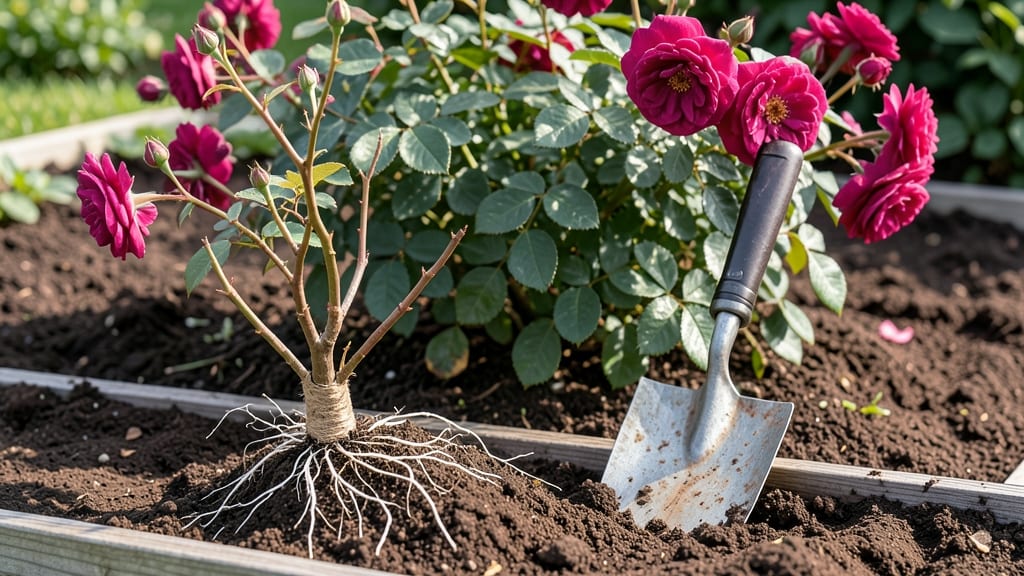
Planting Knockout Roses 🌹 in Zone 6 at the right time means the difference between a bush that thrives and one that fights to survive.
You’ve probably heard that spring is the best time—but in Zone 6, timing matters even more. Plant too early, and frost will stunt those delicate roots. Too late, and your rose won’t establish before summer heat hits.
Here’s the exact window for strong root growth: early spring (after your last frost, typically mid-April) or early fall (4-6 weeks before frost, around September). Both seasons work, but each requires different prep to avoid common mistakes.
Below, I’ll break down the best dates, soil prep tips, and whether to choose bare-root or container-grown roses for your Zone 6 garden.
Best planting window for knockout roses in Zone 6: exact dates and why
Choosing the right time to plant Knockout Roses in Zone 6 is critical for strong root establishment and vibrant blooms. These hardy shrubs thrive when planted during a 4-6 week window in either early spring or early fall, avoiding extreme heat or frost.
The key is soil temperatures between 50-60°F, which encourage root growth without stressing the plant.
For Zone 6 gardeners, the ideal planting window aligns with soil temperature thresholds and local frost dates. In most areas, this means planting between mid-April and early May in spring or mid-September to early October in fall.
These dates ensure your roses establish roots before summer heat or winter frost arrives.
Timing matters because Knockout Roses are disease-resistant but still need time to adapt. Planting too early exposes them to late frost risks, while planting too late leaves them vulnerable to summer heat stress. Let’s break down the exact windows and why they work best.
| Planting Window | Soil Temp (°F) | Zone 6 Dates | Key Considerations |
|---|---|---|---|
| Early Spring | 50-60°F | Mid-April to Early May | Avoids late frost; roots establish before summer heat. |
| Early Fall | 50-60°F | Mid-September to Early October | Allows root growth before winter dormancy; cooler temps reduce stress. |
| Avoid Planting | Below 40°F or Above 75°F | Late May to Early September | Extreme heat or frost stunts root growth; increases disease risk. |
Spring planting is ideal for bare-root roses, as cooler temperatures help roots recover from dormancy. Aim to plant 2-3 weeks after your last frost date—typically mid-April in Zone 6.
This gives roots time to establish before summer’s intensity. For container-grown roses, you can plant slightly earlier, as their root systems are already active.
Fall planting, however, offers a second chance for gardeners who missed spring. Planting in early fall (4-6 weeks before first frost) allows roots to grow undisturbed by winter. In Zone 6, this usually means late September to early October.
The cooler temps reduce transplant shock and water stress, setting your roses up for a stronger start next spring.
Avoid planting during summer heat waves or late fall. High temperatures (>75°F) cause water stress, while late fall planting risks frost damage before roots establish. Even Knockout Roses, known for their resilience, struggle in these conditions. Stick to the 50-60°F soil temp range for best results.
One common mistake is planting too deeply. Knockout Roses should sit 1-2 inches deeper than their container level to encourage root spread. Use a spade to loosen soil 18-24 inches deep and mix in compost or aged manure for nutrients.
Amend heavy clay soil with sand or perlite to improve drainage—poor drainage is the #1 killer of young roses.
After planting, water deeply (1-1.5 gallons per plant) to settle soil and remove air pockets. Mulch with 2-3 inches of organic mulch (like shredded bark) to retain moisture and regulate soil temperature. Avoid mulching too close to the stem to prevent rot risks.
In Zone 6, spring-planted roses may need weekly watering until established, while fall-planted roses require less frequent watering as temps drop.
Monitor your roses for signs of stress, like yellowing leaves or wilted stems. These can indicate overwatering, underwatering, or poor drainage. Adjust your care routine accordingly—Knockout Roses are forgiving but still need consistent moisture and well-draining soil to thrive.
With the right timing and prep, your roses will reward you with continuous blooms from early summer through fall.
Zone 6-Specific factors that affect knockout rose planting timing
Zone 6's variable frost dates and microclimates create unique challenges for planting Knockout Roses. Unlike warmer zones, timing must account for soil temperature fluctuations and urban heat islands that can delay or advance frost.
Rural areas often have earlier frost risks compared to city centers, where concrete absorbs heat and extends growing seasons.
In Zone 6a (average last frost: April 15), wait until mid-May for spring planting, while Zone 6b (average last frost: April 22) can plant 2 weeks earlier.
Fall planting requires 4-6 weeks before first frost (typically late August to mid-September), but urban areas may push this to early October due to delayed cooling.
Soil drainage becomes critical in Zone 6. Clay-heavy soils common in rural areas slow warming, while urban sandy soils dry out faster.
Test drainage by digging a 12-inch hole—if water pools after 6 hours, amend with compost or sand. Microclimates near buildings or fences can create 5-10°F temperature variations, so monitor local conditions for 3+ years to refine timing.
⚠️ callout warning ⚠️
- Planting too early: Cold soil (below 50°F) stunts roots—wait for consistent 60°F+ soil temps.
- Ignoring microclimates: Urban areas may support late October planting, while rural fields risk September frost.
- Skipping soil tests: pH 6.0-6.5 is ideal; adjust with lime or sulfur before planting.
🌱 Pro Tip: Use a soil thermometer—Knockout Roses need roots to warm to 55°F+ before active growth.
Urban gardeners face additional stress factors like compacted soil and limited space. Amend with 3 inches of compost and plant in raised beds if native soil is poor. Rural gardeners should prioritize windbreaks—Knockout Roses need protection from 20+ mph winds, which dry soil faster in open fields.
Adjust timing by 1-2 weeks based on your location's 3-year frost history. For example, Chicago's urban core (Zone 6a) may plant September 20, while nearby rural areas should plant by September 10.
Always mulch with 3 inches of wood chips after planting to regulate soil temperature and retain moisture.
Monitor local National Weather Service alerts for unexpected frost warnings in fall. If frost threatens within 2 weeks of planting, delay or use row covers for the first 2-3 weeks to protect young roots. Container-grown roses adapt better to timing shifts than bare-root varieties in Zone 6.
By accounting for these Zone 6-specific factors, your Knockout Roses will establish stronger root systems and bloom 2-3 weeks earlier than poorly timed plants. Start with soil prep 4-6 weeks before planting—this makes all the difference in Zone 6's unpredictable climate. 🌿