
Pruning
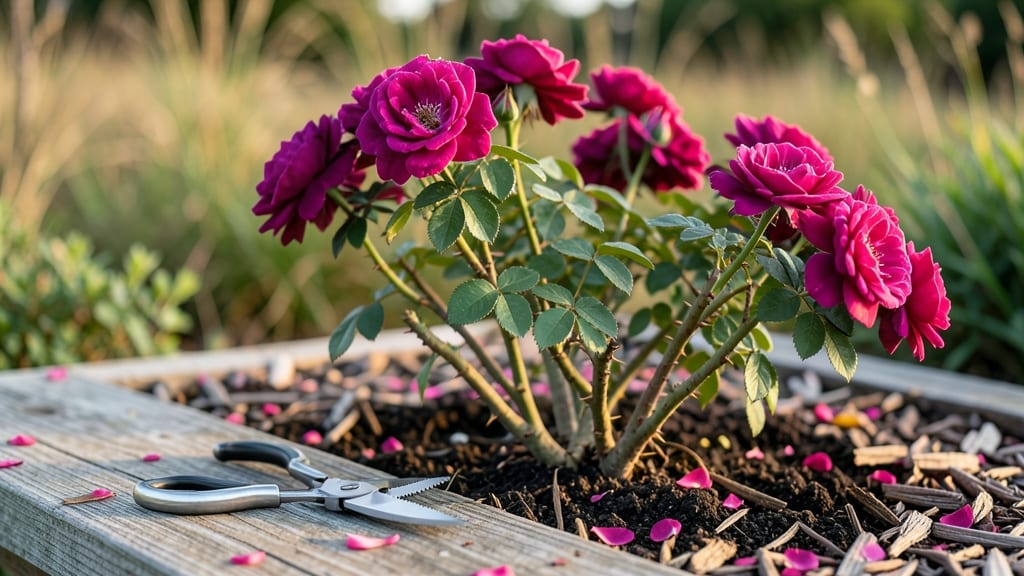
Your leggy rose bush isn’t a lost cause—it’s just asking for the right kind of attention. ✂️ Too much shade, inconsistent pruning, or weak soil can stretch those canes out like overgrown arms, but with the right cuts and care, you’ll transform it into a bushy, fragrant powerhouse in just a few weeks.
I’ve nursed back more than my fair share of lanky roses, and the secret isn’t complicated: it’s about timing, technique, and feeding the plant what it truly needs.
The real culprits behind leggy growth are usually too little sunlight, overpruning in early spring, or skipping fertilizer when the plant needs it most. Roses crave 6+ hours of direct sun daily, and if they’re not getting it, they’ll stretch toward any light source—even weak indoor lamps.
Meanwhile, aggressive pruning too early forces the plant to focus on new growth instead of blooms, and poor soil means weak stems that flop instead of standing tall. The good news? Fixing these issues is simpler than you think.
Start by pruning at the right time—late winter or early spring—using clean cuts at 45-degree angles just above an outward-facing bud. This encourages bushier growth while keeping air circulating to prevent disease.
Pair that with a balanced fertilizer (high in phosphorus for blooms) and move the bush to a sunnier spot if possible. Within 4-6 weeks, you’ll see new, sturdy shoots emerging, and those leggy canes will become a thing of the past. The payoff?
A rose bush so dense with blooms, your neighbors will ask for cuttings.
Here’s the kicker: prevention is easier than repair. After your first round of pruning, keep an eye out for canes that start stretching too much—snip them back early to maintain shape.
Mulch around the base to retain moisture and nutrients, and water deeply but infrequently to encourage strong root growth. Avoid the common mistake of pruning in fall (it invites disease) or using too much nitrogen (which fuels leaves over flowers).
With these tweaks, your rose bush won’t just stop being leggy—it’ll become the showstopper of your garden.
Root Causes Of Stretched Growth
Leggy rose bushes aren’t just a cosmetic issue—they’re a cry for help from your plant! Understanding why those long, spindly stems develop is the first step to fixing them. Below, we break down the three primary culprits behind leggy growth, backed by science and actionable fixes.
Roses are sun-worshippers, and when they don’t get enough light, they stretch toward any available source—a phenomenon called etiolation. This happens because:
- Weak photosynthesis: Without adequate sunlight, your rose can’t produce enough energy (glucose) through photosynthesis. To compensate, it grows taller and thinner stems to reach light, sacrificing bushiness and strength.
- Hormonal imbalance: Low light triggers an overproduction of gibberellins, a plant hormone that promotes elongated growth at the expense of compact, sturdy branches.
- Poor leaf development: Leggy stems often have fewer leaves because the plant diverts energy to vertical growth. Fewer leaves mean less food production, creating a vicious cycle.
Actionable fix: Move your rose to a spot with 6–8 hours of direct sunlight daily. If shade is unavoidable (e.g., tall trees or buildings), opt for a dwarf or climbing variety bred for lower light tolerance. Pro tip: 💡 Use reflective surfaces (like white garden markers or mirrors) to bounce extra light onto shaded areas.
While roses love moisture, too much water (or soggy soil) stresses the plant, leading to weak, leggy growth. Here’s how it happens:
- Root suffocation: Overwatered soil lacks oxygen, forcing roots to grow upward in search of air. This disrupts the plant’s stability and signals it to produce long, weak stems to compensate.
- Nutrient leaching: Excess water washes away essential nutrients (like nitrogen and phosphorus), which are critical for compact, healthy growth. Without them, your rose prioritizes survival over bushiness.
- Fungal pressure: Wet conditions encourage root rot and black spot, diseases that weaken the plant’s structure, making stems stretch out in desperation.
Actionable fix:
- ✅ Test your soil: Stick your finger 2 inches into the soil—if it’s damp, wait to water. Aim for 1 inch of water per week (including rain).
- ✅ Improve drainage: Amend heavy clay soil with compost or perlite to create air pockets. Raise beds or use containers with drainage holes.
- ✅ Water deeply but less often: Soak the root zone early in the morning to reduce evaporation and fungal risk.
A leggy rose bush often screams, “Feed me right!”—but the wrong nutrients can backfire. Here’s the science:
| Nutrient Issue | What It Does | Signs in Your Rose |
|---|---|---|
| Excess nitrogen (N) | Promotes leafy, soft growth at the top of the plant, but stems become weak and elongated because the plant prioritizes foliage over structure. | ✔️ Dark green, lush leaves but bare, spindly stems ✔️ Fewer buds or blooms |
| Low phosphorus (P) | Phosphorus is key for root development and energy transfer. Without it, roots struggle to support the plant, leading to top-heavy, leggy growth. | ✔️ Purple-tinged leaves (especially on undersides) ✔️ Slow growth despite plenty of water |
| Potassium deficiency (K) | Potassium strengthens cell walls and regulates water flow. A deficiency makes stems floppy and prone to breaking. | ✔️ Yellowing leaf edges ✔️ Weak, brittle stems |
Actionable fix:
- 🌡️ Test your soil: Use a home soil test kit or send a sample to a local extension office. Aim for a balanced NPK ratio (e.g., 5-10-10 for roses).
- 💪 Feed strategically:
- ✅ Spring: Use a low-nitrogen, high-phosphorus fertilizer (e.g., 3-8-6) to encourage root and bloom development.
- ✅ Summer: Switch to a balanced or potassium-rich fertilizer (e.g., 5-5-5) to strengthen stems.
- 🍄 Avoid synthetic fertilizers: Organic options like bone meal (for phosphorus) or greensand (for potassium) release nutrients slowly, preventing imbalances.
Bonus: Leggy growth can also stem from pruning at the wrong time (e.g., cutting back too late in the season) or planting too deep, which suffocates the graft union. We’ll cover fixes for those in the next section! 🌿
Revitalize Your Rose’s Shape
A leggy rose bush isn’t just an eyesore—it’s a sign your plant is struggling to thrive. The good news? With the right techniques, you can transform those stretched-out stems into a bushier, healthier, and more fragrant rose bush.
Below, we break down cause-specific fixes and prevention tips to help you prune like a pro.
Cause: Too many stems competing for sunlight and nutrients, leading to elongated, weak branches.
Fix:
- 🔪 Remove the Worst Offenders First
- Identify the thinnest, most stretched stems—these are the biggest culprits.
- Cut them back to healthy buds or joints (about ¼ inch above a leaf node).
- Pro Tip: If a stem is woody or dead, snip it at the base—no regrets!
- 🌿 Thin Out the Center
- Leggy growth often happens when the center of the bush gets shaded.
- Trim 1-2 older stems from the middle to improve airflow and sunlight penetration.
- Pro Tip: Use clean, sharp pruners (or a saw for thick stems) to avoid tearing bark.
- 🌱 Encourage Bushier Growth
- After removing leggy stems, leave 3-5 strong, outward-facing buds on remaining branches.
- These will sprout new growth, filling out the bush naturally.
Cause: Roses need 6-8 hours of sunlight daily. If yours is in shade, stems stretch toward light, becoming weak and leggy.
Fix:
- 🌞 Relocate If Possible
- Move your rose bush to a sunnier spot (south or west-facing is ideal).
- Pro Tip: If relocating isn’t an option, prune aggressively to reduce shade stress.
- 🌿 Prune for Better Light Exposure
- Cut back overly long branches to encourage branching from lower buds.
- Aim for a rounded shape—this helps sunlight reach the center.
- 💡 Use Reflective Surfaces
- Place a white wall, mirror, or reflective mulch near the bush to bounce extra light onto it.
Cause: Overwatering or compacted soil leads to weak stems that stretch for support.
Fix:
- 💧 Check Your Watering Habits
- Roses hate soggy roots. Water deeply 1-2 times per week (not daily).
- Pro Tip: Stick your finger 2 inches into the soil—if it’s damp, wait before watering.
- 🌱 Improve Soil Drainage
- Amend the soil with compost or perlite to loosen it.
- If planting in containers, ensure drainage holes are present.
- 🌿 Prune to Reduce Stress
- Remove sickly, waterlogged-looking stems to redirect energy to healthier growth.
- Pro Tip: After pruning, mulch around the base (but not touching the stem) to retain moisture without suffocating roots.
Cause: Pruning too late in the season (after new growth starts) can lead to leggy, weak stems.
Fix:
- 📅 Know the Best Pruning Times
- Late winter/early spring (just before new growth) is ideal for major pruning.
- Light trimming can happen in early summer to shape the bush.
- 🌱 Stimulate New Growth
- After pruning, fertilize with a balanced rose food (10-10-10 or similar).
- Pro Tip: Avoid high-nitrogen fertilizers—they promote leafy growth over flowers.
- 🌿 Watch for New Shoots
- Within 2-4 weeks, you should see new buds forming at the pruned spots.
- If not, check for pests, disease, or nutrient deficiencies.
Cause: Infestations (aphids, spider mites) or fungal issues (black spot) drain energy, causing leggy growth.
Fix:
- 🐜 Inspect for Pests
- Look for sticky residue (honeydew), webs, or tiny bugs on stems.
- Spray with neem oil or insecticidal soap if needed.
- 🍄 Treat Fungal Issues
- Remove infected leaves or stems immediately.
- Apply a fungicide (copper-based or sulfur) and space plants for airflow.
- 🌿 Prune for Air Circulation
- Trim branches to open up the bush, reducing humidity and fungal spread.
- ✂️ Prune Regularly: Don’t wait until the bush is unmanageable—light trims every few weeks keep it in check.
- 🌞 Maximize Sunlight: Even a few extra hours of sun make a huge difference in stem strength.
- 🌱 Feed Smart: Use a low-nitrogen, high-phosphorus fertilizer in early spring to encourage blooms over foliage.
- 🌿 Mulch Properly: Keep mulch 2-3 inches away from the stem to prevent rot.
- 📅 Stay on Schedule: Mark your calendar for spring pruning (Feb-March) and light summer shaping (June-July).
With these fixes, your leggy rose bush will soon be fuller, stronger, and bursting with fragrant blooms—no more sad, stretched-out stems in sight! 🌹✨
Frequently asked questions
Why does my rose bush get leggy even when I water it regularly?
Leggy growth often happens when roses don't get enough sunlight or proper nutrients, not just water. Even with regular watering, stems stretch when the plant struggles to photosynthesize enough energy. Check if your bush gets 6+ hours of direct sun daily—if not, move it to a sunnier spot or prune aggressively to encourage bushier growth.
Can I fix a leggy rose bush by just pruning it back hard?
Pruning helps, but it's only part of the solution. Cutting back leggy stems encourages new growth, but you must also address the root cause—whether it's poor sunlight, overwatering, or nutrient deficiencies. Combine pruning with proper care (like balanced fertilizer and better soil drainage) for the best results.
What's the best time of year to prune a leggy rose bush?
Late winter or early spring (just before new growth starts) is ideal for major pruning. This gives your rose time to recover and produce strong new shoots. Avoid pruning in fall—it can invite disease. Light shaping can happen in early summer, but never cut back more than 1/3 of the bush at once.
Will moving my rose bush to a sunnier spot really make a difference?
Roses thrive with 6-8 hours of sunlight daily. Moving to a sunnier location can dramatically improve stem strength and encourage bushier growth. If relocating isn't possible, use reflective surfaces (like white walls or mirrors) to bounce extra light onto the plant.
How do I know if my rose bush has a nutrient deficiency causing leggy growth?
Look for specific signs: Purple-tinged leaves suggest low phosphorus, while yellowing edges indicate potassium deficiency. Test your soil with a home kit or send a sample to your local extension office. Roses need a balanced fertilizer—aim for a 5-10-10 NPK ratio in spring to encourage blooms and strong stems.