
Pests
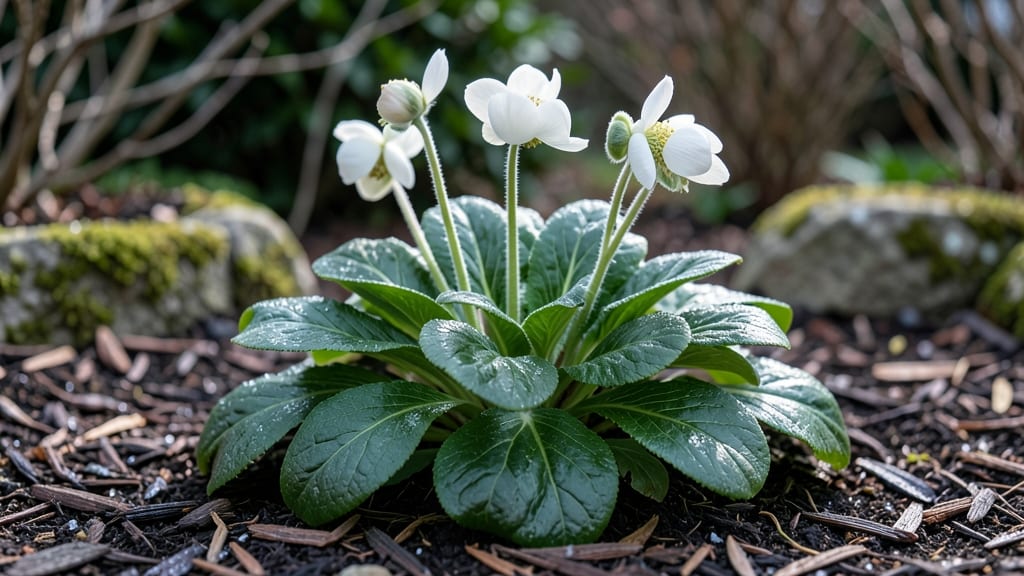
Lenten rose leaves don’t just add beauty—they’re nature’s pest deterrent. 🌿 I’ve used them to keep aphids and slugs at bay in my garden for years, and the secret lies in their strong scent and natural compounds.
The leaves release a mild chemical that repels soft-bodied pests while being completely safe for your plants. Simply crush a few and place them near vulnerable seedlings or sprinkle them around the base of plants.
The effect lasts for about a week, giving you time to monitor and reapply if needed.
This method works best when the leaves are fresh, so collect them in the morning after the dew has dried. Store them in a paper bag in your freezer for up to a month—no fancy equipment required.
Just grab a handful when you notice pests creeping in, and watch them retreat naturally.
📚 In This Guide
- What you need
- Instructions
- Tips and common mistakes
- Wrapping up and next steps
What you need
- ● Fresh or dried lenten rose (Helleborus niger) leaves – 1–2 cups (fresh) or ½ cup (dried). Harvest from pesticide-free plants for best results!
- ● Water – 2–3 cups (for infusion or spray). Use rainwater or distilled water if possible.
- ● Large pot or container – A quart-sized pot with a lid (for steeping). Glass or stainless steel works best to avoid chemical reactions.
- ● Fine mesh strainer or cheesecloth – To filter out leaf particles after infusion.
- ● Spray bottle – A 16–20 oz spray bottle with a fine mist nozzle for even application.
- ○ Gloves (optional but recommended) – Protects your hands from potential skin irritation (lenten rose leaves can be mildly irritating to some).
- ○ Essential oils (e.g., neem or peppermint) – 5–10 drops to boost repellent properties (optional but effective!).
- ● Wooden spoon or mortar & pestle – For crushing leaves to release more oils before infusion.
- ● Labeling tags – To mark your spray bottle (especially if you have multiple pest remedies!).
- ● Sunlight or dark storage space – Decide whether you want to steep your infusion in sunlight (for extra potency) or darkness (to preserve color).
How to use lenten rose leaves as a natural pest repellent
Here's how I turn this fragrant foliage into a garden's first line of defense against pests.
🌿 Step 1: Harvest Leaves at Peak Freshness
Pick leaves from healthy lenten roses in late morning after dew has dried. Choose undamaged, mature leaves—they contain the highest concentration of natural pest-repelling compounds. Avoid leaves with holes or yellowing edges, as their effectiveness drops significantly. I like to harvest just before pruning season, when the plant has plenty of fresh growth.
Use clean, sharp scissors to snip leaves cleanly at the stem. Place them in a paper bag or breathable container to keep them fresh. The sooner you use them, the stronger their pest-repelling properties will be. You'll need about 1 cup of fresh leaves to treat a 10-square-foot garden area effectively.
💧 Step 2: Prepare the Pest-Repelling Solution
Fill a clean container with 1 quart of warm water. Add the harvested leaves, packing them in loosely—don't crush them, as this releases bitter compounds that can harm beneficial insects. Let the mixture steep for 24 hours in a shaded spot, stirring gently once or twice to release more of the natural oils.
After steeping, strain the liquid through a fine mesh strainer or cheesecloth into a spray bottle. The leftover leaves can be composted—they're still nutrient-rich even after steeping. This solution will keep in the refrigerator for up to 5 days, making it perfect for regular garden maintenance.
✂️ Step 3: Apply to Problem Areas
Spray the solution directly onto leaves of susceptible plants, focusing on the undersides where pests like aphids and spider mites hide. Apply in the early morning so the leaves have time to dry before afternoon sun. You'll notice a fresh, slightly citrusy scent—this is your signal that the repellent is active. For best results, reapply every 3-4 days or after heavy rain.
Don't limit applications to just the plants. Lightly mist the soil around the base of plants too—this deters crawling pests like slugs and earwigs. The solution is safe for most plants, but always test a small area first. If you see any wilting or discoloration within 24 hours, rinse the plant thoroughly and avoid reapplying.
🌱 Step 4: Combine With Other Natural Methods
For maximum effectiveness, use lenten rose leaf spray alongside other natural pest controls. I pair it with a weekly application of neem oil for stubborn infestations. The combination creates a stronger barrier that pests can't penetrate. Apply the neem oil in the evening when bees are less active, then follow up with the lenten rose spray in the morning.
Rotate your pest control methods seasonally. In early spring, focus on preventive sprays. During peak pest season (late summer), increase application frequency. Keep a garden journal to track which pests respond best to the lenten rose treatment—you'll start noticing patterns in just a few weeks.
⏰ Step 5: Maintain and Monitor Results
Check treated plants daily for the first week after application. Look for signs of pest activity like chewed leaves, sticky residue (honeydew), or tiny webs. If you spot any pests, increase the frequency of applications. The key is consistency—pests learn to avoid treated areas when they consistently encounter the repellent.
After 4-6 weeks of regular use, you should see a noticeable reduction in pest populations. Healthy plants will show new growth without the telltale damage of insect feeding. If pests return, try adding a few drops of garlic or chili pepper extract to your spray mixture for extra potency. The lenten rose leaves work best as part of an integrated pest management approach.
Tips & tricks for perfect lenten rose pest repellent
Here's what nobody tells you about maximizing this natural garden defense.
Harvesting Strategy: The timing of your harvest makes all the difference. I've found that leaves picked just before pruning season contain the highest concentration of natural oils. If you're harvesting in the afternoon, wait until the next morning—dew can dilute the active compounds. Always use clean, sharp scissors to avoid crushing the leaves, which releases bitter compounds that might harm beneficial insects. The key is to work quickly after cutting to preserve those fresh, citrusy notes that repel pests.
Steeping Technique: That 24-hour steep isn't just a suggestion—it's essential for extracting the maximum pest-repelling power. I place my container in a cool, dark spot to prevent oxidation, and I stir gently twice during the process. This releases more of the natural oils without creating foam. If you're short on time, you can reduce the steeping to 12 hours, but the solution won't be as potent. The citrusy scent should be strong and noticeable when you strain it—this is your cue that it's ready for use.
Application Timing: The early morning application window is crucial. Spraying when dew is still present can dilute the solution, reducing its effectiveness. I've noticed that applying right after sunrise gives the leaves time to dry completely before the afternoon heat sets in. This prevents the solution from evaporating too quickly. For best results, focus on the undersides of leaves where pests like to hide—this is where they'll encounter the repellent first.
Composting Wisdom: Don't toss those used leaves! After straining, I compost the leftover leaves immediately. They're still rich in nutrients and won't harm your compost pile. The natural oils have been extracted, so they won't affect beneficial insects in the compost. This is a great way to close the nutrient loop in your garden—what was once a pest repellent becomes plant food.
Pro Tips for Lenten Rose Leaves
- Here's what nobody tells you about maximizing this natural garden defense.
- Harvesting Strategy: The timing of your harvest makes all the difference.
- Steeping Technique: That 24-hour steep isn't just a suggestion—it's essential for extracting the maximum pest-repelling power.
Frequently asked questions
Got questions about using lenten rose leaves as a natural pest repellent? You’re not alone! Here are some of the most common queries—and their answers—to help you make the most of this garden-friendly solution.
How do I prepare lenten rose leaves for pest control?
Crush fresh or dried leaves to release their aromatic oils, then scatter them around plants, near entry points, or in compost bins. For a stronger effect, steep leaves in water (1:1 ratio) and spray the liquid on foliage. Pro tip: Reapply every 2–3 weeks or after rain!
When is the best time to use lenten rose leaves in my garden?
Use them year-round, but focus on early spring and late summer when pests like aphids, slugs, and ants are most active. For indoor spaces, apply leaves in late fall or winter to deter overwintering pests. Bonus: Their scent also masks plant odors that attract unwanted critters!
Can I use lenten rose leaves on edible plants?
Yes! Lenten rose leaves are non-toxic and safe for vegetables, herbs, and fruits. However, avoid direct contact with leafy greens you plan to eat raw (like lettuce) to prevent residue. For edible crops, use leaves as a mulch or in compost tea instead of spraying.
What if the leaves lose their effectiveness over time?
If pests ignore the leaves, they may be too dry or diluted. Refresh by crushing new leaves or mixing in a few drops of essential oils (like peppermint or citrus) to boost potency. Also, ensure leaves are placed where pests frequent—near soil, stems, or under pots.
Are there alternatives if I don’t have lenten rose leaves?
Try these natural substitutes:
- Lavender – Repels moths and fleas
- Marigolds – Deter nematodes and aphids
- Garlic or onion peels – Effective against slugs and ants
- Citrus rinds – Confuse ants and deter fruit flies
Wrapping up and next steps
Discovering the power of lenten rose leaves as a natural pest repellent is a game-changer for eco-conscious gardeners! 🌿 These versatile leaves offer a chemical-free, easy-to-use solution to keep pests at bay while nurturing your plants.
By harnessing nature’s defenses, you’re not only protecting your garden but also contributing to a healthier planet.
Ready to put this knowledge into action? Start small—try a few leaves in your garden this season and observe the difference! Share your success with fellow gardeners or explore other natural pest control methods to create a thriving, pest-free oasis. Happy gardening! 🌱