
Light Requirements
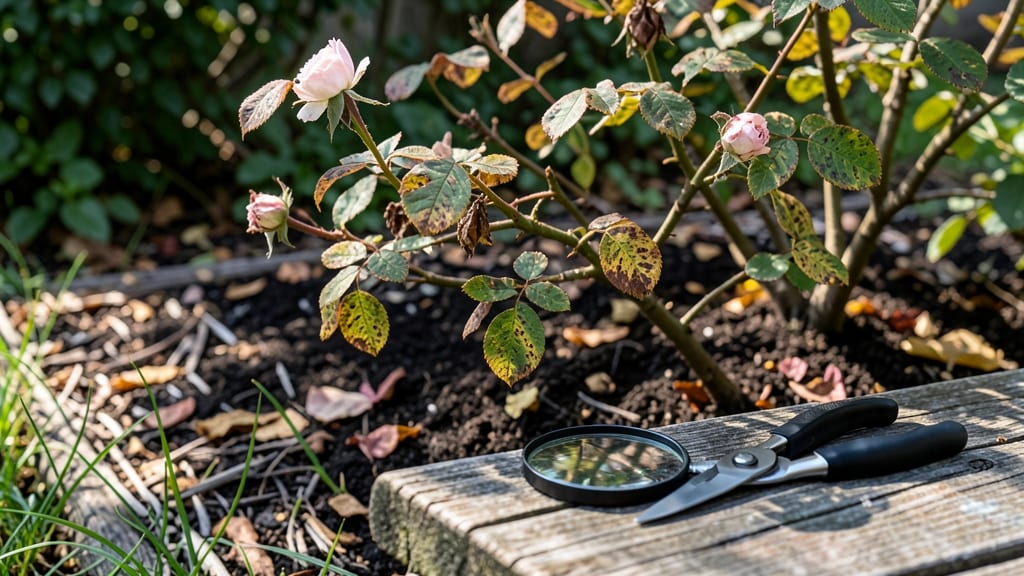
Light brown spots on rose leaves mean your plants are sending an SOS—often from fungal blight like black spot or powdery mildew. 🌿 I’ve seen this turn a thriving rose bush into a sad, spotty mess, but the good news?
Most cases are fixable with simple, organic steps. The key is catching it early and acting fast, before the spots spread like wildfire.
These spots usually start small and dark, then grow into larger, lighter brown patches with jagged edges. Check the undersides of leaves too—fuzzy white or black dots often mean powdery mildew or black spot.
Poor airflow, wet leaves, or crowded bushes make roses extra vulnerable, so timing matters. If you’ve had recent rain or humidity, that’s your first clue.
You can stop the spread by pruning infected leaves (sterilize your shears with rubbing alcohol first!) and treating the bush with a mix of baking soda spray (1 teaspoon baking soda + 1 quart water + a drop of dish soap) or neem oil.
Spray in the evening to avoid burning leaves, and repeat every 7-10 days until new growth appears. Prevention is easier—water at the base, not overhead, and space bushes for airflow.
If the spots keep coming back or the bush looks weak, it might be time to call in a local extension office or arborist. Some fungal issues need a stronger approach, but in most cases, these organic fixes work wonders.
Your roses will be back to lush and healthy in no time!
Understanding the Root Causes
Light brown spots on rose leaves aren’t just a cosmetic issue—they’re your plants’ way of signaling distress. Before reaching for a fungicide, it’s crucial to pinpoint the real culprit behind these unsightly marks.
Below, we break down the most common triggers, complete with scientific explanations and actionable insights to help you diagnose the problem like a pro.
Fungi are the #1 offenders behind light brown spots on rose leaves, thriving in warm, humid conditions. Here’s how they strike:
- **Black Spot (Diplocarpon rosae) The classic villain, this fungus creates dark brown to black spots with yellow halos (though light brown variants exist). It spreads via spores, which splash onto leaves during watering or rain. Over time, infected leaves turn yellow and drop, weakening the plant.
- Powdery Mildew (Podosphaera pannosa) While powdery mildew typically leaves a white, powdery coating, it can also cause light brown, crinkled patches on leaves, especially in shaded or crowded rose bushes. The fungus feeds on organic debris and thrives in high humidity (70%+).
- Leaf Spot Fungi (e.g., Alternaria or Septoria) These generalists create small, circular brown spots with darker edges, often surrounded by a yellow ring. They love overhead watering, which keeps leaves damp for long periods—perfect fungal incubation.
💡 Pro Tip:** Fungal spores love stagnant water. Always water at the base of the plant in the early morning to let leaves dry quickly. Space plants for airflow, and avoid mulching too close to stems.
Not all brown spots are fungal. Sometimes, your roses are sunburned or heat-stressed, especially in hot climates or after sudden temperature shifts.
- Sun Scorch Light brown, dry patches (often on leaf edges) appear when roses get too much direct sun without acclimation. Young leaves or varieties with thin foliage (like hybrid teas) are most vulnerable.
- Heat Stress Prolonged high temperatures (above 90°F/32°C) can cause leaf bleaching or browning, mimicking disease. Roses may also wilting or curling as a response.
✨ Solution: Gradually introduce roses to full sun (harden off seedlings). Provide light shade (30-50%) during peak afternoon heat, and mulch to regulate soil temperature.
Insects like spider mites, aphids, or thrips don’t directly cause brown spots, but their saliva, feeding damage, or honeydew create the perfect conditions for secondary fungal infections—or leave behind telltale marks.
- Spider Mites These tiny arachnids suck plant sap, causing stippled, light brown patches (especially on undersides of leaves). Heavy infestations lead to silvering or webbing.
- Aphids & Thrips Their honeydew secretions attract sooty mold, which coats leaves in a black, velvety layer—often starting as light brown discoloration.
🔥 Quick Fix: Blast pests off with a strong stream of water or introduce beneficial insects (ladybugs, lacewings). Neem oil (1 tsp per quart of water) disrupts their life cycle.
Waterlogged soil starves roots of oxygen, leading to leaf discoloration, wilting, or brown spots as the plant struggles to transport nutrients.
- **Root Rot (Phytophthora or Pythium) Waterlogged conditions invite these soil-borne fungi, which block water/nutrient uptake. Leaves may develop yellowing between veins followed by brown, crispy patches.
- Nutrient Deficiency Overwatering flushes away magnesium (Mg) or potassium (K), causing interveinal browning (brown spots between leaf veins).
🌡️ Test Your Soil: Stick a finger 2 inches deep—if it’s soggy, reduce watering and improve drainage with sand or perlite. Ensure pots have drainage holes, and avoid letting roses sit in saucers of water.
Too much of a good thing can backfire. Excessive fertilizer (especially nitrogen or salt-based) or harsh pesticides can scorch leaves, leaving light brown, dry patches.
- Fertilizer Burn High salt concentrations (from synthetic fertilizers) disrupt cell function, causing leaf edges to crisp and brown.
- Herbicide Drift If roses are near lawns, glyphosate or 2,4-D can drift and cause bleaching or brown spots.
🎯 Prevention: Always follow label rates for fertilizers. Water thoroughly after application to dilute salts. For herbicide exposure, prune affected leaves and monitor for recovery.
Brown spots can also signal micronutrient deficiencies, particularly in iron (Fe), manganese (Mn), or zinc (Zn).
- Iron Chlorosis Yellowing between veins with brown spots (common in alkaline soils). Roses struggle to absorb iron, leading to necrotic patches.
- Manganese Deficiency Causes brown spots on younger leaves, often with yellow veins. More common in cool, waterlogged soils.
💪 Soil Test First: Use a home test kit or send a sample to a lab. Amend soil with chelated iron (for chlorosis) or manganese sulfate if deficient.
Mechanical stress—like hail, wind, or even enthusiastic pruning—can tear leaves, leaving ragged brown edges or spots where cells are damaged.
- Wind Burn Fast-moving air dries out leaf edges, causing crispy, light brown tips.
- Hail or Debris Impact bruises cells, leading to brown, water-soaked spots that later dry out.
🔪 Solution: Protect roses with row covers during storms. Prune carefully with sharp, sterilized shears** to avoid tearing.
How to Fix Rose Leaf Spots
Light brown spots on your rose leaves don’t have to be a lost cause! With the right approach, you can restore your plants to their former glory—and keep them thriving.
Below, we’ve mapped out practical, organic solutions tailored to the most common causes, from fungal infections to environmental stressors. Follow these steps to diagnose, treat, and prevent future outbreaks.
If your roses are battling black spot, powdery mildew, or rust, act fast to prevent the disease from worsening.
🔥 Prune Infected Leaves (Immediately!)
- Remove all leaves with brown spots using sterilized pruners (wipe with rubbing alcohol between cuts).
- Dispose of infected foliage in the trash—do not compost to avoid reinfection.
- Pro tip: 💡 Prune in the early morning when humidity is lower to reduce spore spread.
🍳 Homemade Fungicide Spray (Safe & Effective)
Mix one of these organic sprays and apply to both sides of leaves and stems:
| Recipe | How to Use |
|---|---|
| Baking Soda Spray | 1 tsp baking soda + 1 tbsp vegetable oil + 1 tsp dish soap + 1 gallon water. Spray every 7–10 days. |
| Neem Oil Solution | 1 tbsp neem oil + 1 tsp mild soap + 1 quart water. Shake well and spray at dusk. |
| Milk Spray | 1 part milk (whole works best) + 9 parts water. Spray weekly for prevention. |
⚠️ Important: Always test sprays on a small leaf first to avoid burning tender foliage.
🌡️ Improve Airflow & Reduce Moisture
- Space plants at least 2–3 feet apart to allow airflow.
- Water at the base (not overhead) and early in the day so leaves dry quickly.
- Mulch with straw or shredded leaves (not wood chips) to keep soil moist but prevent fungal buildup.
If the spots are dry, crispy, or appear only on sun-exposed leaves, your roses may be sun-scorched or struggling with heat stress.
👨🍳 Provide Afternoon Shade (Quick Fix)
- Temporary shade cloth (30–50% shade) can protect roses during peak sun (11 AM–3 PM).
- Plant taller flowers or shrubs nearby to act as a natural windbreak.
- Pro tip: 🌿 Morning sun is ideal—roses need 6+ hours of sunlight, but afternoon heat can be brutal.
🥘 Hydrate Properly (Deep & Consistent Watering)
- Water deeply 2–3 times per week (1–2 inches per week) rather than daily shallow watering.
- Use drip irrigation or soaker hoses to keep foliage dry.
- Mulch heavily (3–4 inches) with organic mulch (like pine straw) to retain moisture.
🎯 Adjust Fertilizer Use (Less Is More)
- Over-fertilizing (especially with high nitrogen) weakens leaves, making them prone to stress.
- Switch to a balanced organic fertilizer (5-5-5 or 3-4-6) and feed lightly every 6–8 weeks.
- Avoid fresh manure—it can burn roots and stress plants.
If tiny holes, webbing, or chewed edges accompany the spots, pests like spider mites, aphids, or thrips could be the culprits.
🔪 Blast Off Pests with Natural Repellents
- Neem oil spray (same recipe as above) smothers eggs and adults.
- Insecticidal soap (1 tsp mild soap + 1 quart water) works on soft-bodied pests like aphids.
- Introduce beneficial insects:
- Ladybugs (eat aphids)
- Lacewings (devour mites and thrips)
- Purchase online or release from nursery packs.
🌿 Encourage Strong, Pest-Resistant Roses
- Choose disease-resistant varieties (e.g., ‘Knock Out’ roses, ‘Dr. Huey’).
- Keep plants healthy—stressed roses attract more pests.
- Remove weeds (they harbor pests and diseases).
Once your roses recover, proactive care will help prevent future outbreaks.
- 💡 Rotate fungicides (don’t use the same spray repeatedly to avoid resistance). - ✨ Clean up debris in fall—burn or bag old leaves to eliminate fungal spores. - 🌡️ Monitor humidity—aim for 40–60% humidity; use a dehumidifier in greenhouses if needed. - 🎯 Test your soil—roses thrive in slightly acidic soil (6.0–6.5 pH).
Adjust with lime (to raise pH) or sulfur (to lower pH) if needed.
With these targeted solutions, your roses should bounce back in 2–4 weeks. Stay consistent with care, and your garden will reward you with lush, spot-free foliage all season long! 🌹✨
Frequently asked questions
Why do rose leaves develop light brown spots even after treating with fungicide?
Fungal spores can be stubborn! If spots persist, you may need to rotate treatments—try neem oil one week and baking soda spray the next. Check for hidden causes like poor airflow (prune nearby plants) or overwatering (water only at the base). Some spots could also be sunburn or nutrient deficiencies (test your soil).
Can I still harvest roses with brown spots on the leaves?
Yes, but focus on healthy stems only—avoid cutting blooms from heavily infected branches. Fungal spores can spread through pruning tools, so sterilize shears with rubbing alcohol between cuts. If the spots are severe, wait until new growth appears before harvesting.
How do I know if my rose spots are fungal vs. environmental damage?
Check the pattern and location of spots: Fungal spots often have dark edges or yellow halos, while sunburn looks dry and crispy on leaf edges. Fungal spots appear on both leaf surfaces, while environmental stress usually targets sun-exposed areas. Test with a baking soda spray—if it improves, it’s likely fungal.
Will my rose bush recover if I remove all the spotted leaves?
Pruning removes the food source for fungi and improves airflow. For best results, remove 100% of infected leaves (don’t compost them!) and apply a fungicide. New growth should appear in 2-4 weeks if the roots are healthy. Keep monitoring for recurrence.
Are there rose varieties that naturally resist brown leaf spots?
Yes! Disease-resistant hybrids like 'Knock Out' roses or 'Dr. Huey' are bred to tolerate black spot and mildew. For existing bushes, prune for airflow and choose dwarf varieties (they’re easier to space properly). Even susceptible roses can thrive with proper care!