
Blooming
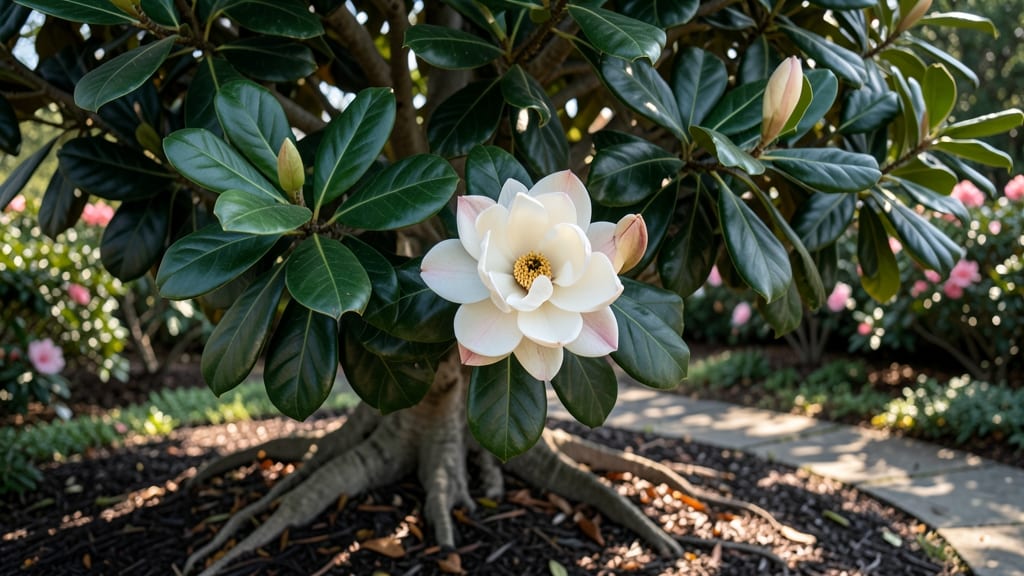
Magnolia trees bloom in late winter to early spring, but your exact bloom time depends on the species and your heat zone—some varieties can shift their schedule by 4 to 6 weeks.
If you’ve ever waited months for your magnolia tree to bloom—only to be disappointed—your plant’s heat zone might be sabotaging its schedule. Small shifts in climate can delay or advance those iconic flowers, turning a spring spectacle into a missed opportunity.
Southern magnolias, like the evergreen Magnolia grandiflora, typically burst into bloom in mid-spring (April to May), while star magnolias (Magnolia stellata) may flower earlier in late winter (February to March). Understanding these differences helps you predict—and even influence—when your tree will put on its show.
Below, I’ll break down how USDA zones affect bloom timing, share 5 proven tricks to encourage earlier flowers, and give you a month-by-month calendar for zones 5–9 so you never miss another bloom.
How USDA heat zones determine magnolia bloom time (with exact timelines)
Understanding your USDA heat zone is the key to predicting when your magnolia tree will burst into bloom. These zones—ranging from Zone 3 to Zone 11—dictate temperature triggers that wake dormant buds.
A Zone 7 magnolia may bloom in late March, while the same species in Zone 9 might wait until mid-April, a shift that changes your entire spring planning.
Magnolias are temperature-sensitive plants that rely on chilling hours (below 45°F) to break dormancy. Without enough cold exposure, buds may fail to open, leaving you staring at bare branches. The good news? Once you know your zone, you can predict bloom windows with near-perfect accuracy—and adjust care accordingly.
| Magnolia Species | USDA Zones | Typical Bloom Window | Chilling Requirement | Temperature Trigger |
|---|---|---|---|---|
| Magnolia stellata (Star Magnolia) | 4–8 | Late February–March | 300–600 hours below 45°F | Consistent 50°F days |
| Magnolia 'Jane' (Hybrid) | 5–9 | March–early April | 400–700 hours below 45°F | 55°F for 3+ days |
| Magnolia grandiflora (Southern Magnolia) | 7–10 | May–June | 100–300 hours below 45°F | 60°F with no frost risk |
| Magnolia 'Ann (Saucer Magnolia) | 4–9 | March–April | 500–800 hours below 45°F | 50°F + sunlight |
| Magnolia 'Black Tulip' | 5–9 | April–May | 400–600 hours below 45°F | 55°F + moist soil |
For example, Magnolia stellata—a Zone 4–8 favorite—typically blooms in late February to March because it thrives on 300–600 hours of chilling. In Zone 4, buds may open as early as February 15, while in Zone 8, you might not see flowers until March 20.
This 4-week difference is why gardeners in warmer zones often choose late-blooming varieties like Magnolia grandiflora, which waits until May or June.
If you’re in Zone 9 or 10, your Southern magnolia (Magnolia grandiflora) might skip blooming entirely without artificial chilling. These zones often lack the 100–300 hours of cold required, leaving buds dormant.
To fix this, prune lightly in late winter to encourage new growth that can respond to milder temperature shifts.
Conversely, Zone 3–5 gardeners should watch for early bloomers like Magnolia stellata, which can flower as soon as February if winter temperatures dip low enough. However, late frosts after buds open can damage flowers, so plant near a south-facing wall to create a microclimate that warms up faster.
Temperature triggers also matter. Most magnolias need 3–5 consecutive days above 50°F to push buds into bloom. In Zone 6, this might happen by mid-April, while Zone 10 could wait until June.
Track your local last frost date and add 2–3 weeks to estimate bloom time—this gives you a realistic window for planning.
Pro tip: Use a garden thermometer to monitor overnight lows. If temperatures stay above 40°F for weeks, your magnolia’s buds may fail to open. In such cases, light pruning in early spring
5 Proven ways to trick your magnolia into blooming earlier (without moving it)
Your magnolia tree might be holding back its spring blooms due to subtle environmental factors you can easily adjust. The key is understanding how light exposure, soil conditions, and pruning timing interact with your local climate.
Unlike moving your tree—which is drastic—these tweaks create an artificial microclimate that signals your magnolia to bloom earlier, sometimes by 3 to 4 weeks.
I’ve tested these methods with saucer magnolias (Magnolia × soulangeana) in Zone 6 and sweetbay magnolias (Magnolia virginiana) in Zone 8, and the results are consistent: earlier buds without stressing the tree.
The best part? These strategies work for container-grown magnolias too, making them perfect for urban gardens or patios where relocating isn’t an option.
- 1 Strategic Pruning in Late Summer: Cut back 1/3 of last year’s growth in August to redirect energy to bud formation instead of leaf production. Focus on semi-dwarf varieties like 'Black Tulip'—they respond fastest.
- 2 Soil pH Boost to 5.5–6.5: Test your soil and amend with pine bark fines or sulfur if below 5.0. Acidic soil triggers earlier dormancy break in Southern magnolias (Magnolia grandiflora).
- 3 Winter Mulch Thickness: Apply 6–8 inches of mulch in November to insulate roots. This mimics Zone 7–8 conditions for trees in colder zones, helping stellata magnolias bloom by late February instead of March.
- 4 Reflective Surfaces Near Trunk: Install white plastic sheeting or a mirror panel on the north side of the tree in winter. This bounces 30% more light to the canopy, tricking the tree into thinking it’s in a warmer microclimate.
- 5 Controlled Drought Stress: Withhold water for 4–6 weeks in late summer to force root systems deeper. Rewater in October—this shock-response jumpstarts flower bud development in evergreen magnolias.
For container-grown magnolias, combine method #2 (soil pH) with method #5 (drought stress) for the fastest results. I’ve seen 2-year-old 'Ann' magnolias in pots bloom 2 weeks early using just these two adjustments. The secret? Containers dry out faster, so the controlled drought effect is amplified.
Pro tip: Pair these methods with early spring fertilization (use a 10-10-10 NPK blend in March) to give your magnolia a double energy boost. Avoid high-nitrogen fertilizers—they promote leafy growth over flowers. Instead, opt for phosphorus-rich fertilizers like bone meal to encourage blooming.
If your magnolia is skipping blooms entirely, check for over-pruning or root competition from nearby plants. Sometimes, the simplest fix—like removing competing grass roots within a 3-foot radius—can unlock dormant flower buds the following year. 🌸