
Blooming
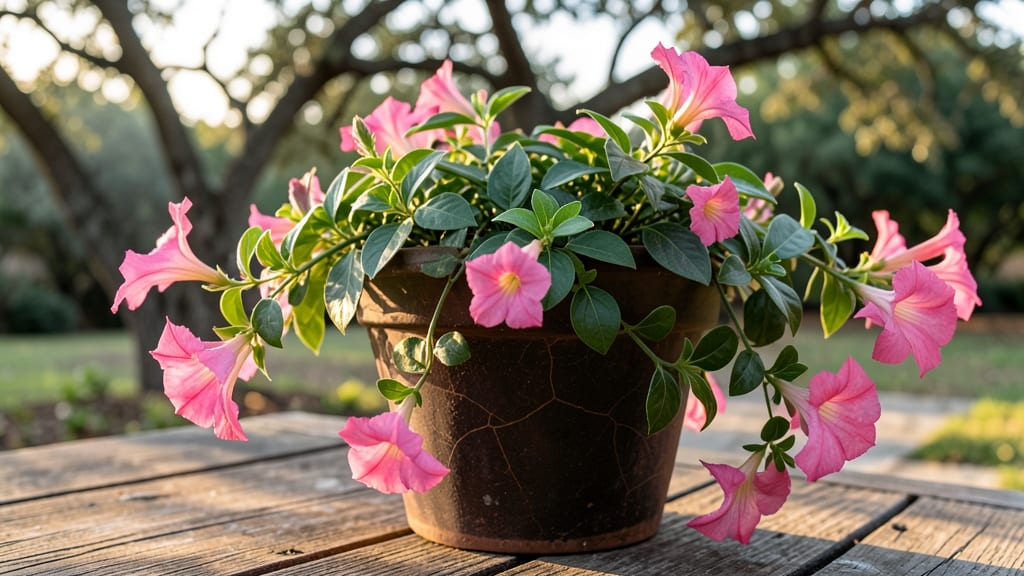
The stunning Mandevilla bloom time depends on where you live and how you care for it—most varieties light up gardens from late spring through summer, but with the right tricks, you can stretch those flowers into fall (or even winter indoors).
If your 🌸 Mandevilla is throwing out lush green leaves but refuses to bloom, you’re not alone—timing, light, and care all play a critical role in triggering those stunning trumpet-shaped flowers. But with the right techniques, you can coax year-round blooms instead of waiting for seasonal surprises.
In USDA Zones 10-12, where Mandevilla thrives year-round, blooms often start as early as March and peak through September. But cooler climates? That’s where the magic happens—pruning, fertilizer, and light tweaks can push blooms to start earlier or last longer.
Below, I’ll break down the natural bloom cycles, how to force reblooms, and the three biggest mistakes that kill flowers before they even begin. Ready to turn your Mandevilla into a nonstop floral show?
Natural mandevilla bloom time: seasonal patterns and climate dependence
Understanding your mandevilla bloom time starts with recognizing its natural rhythms. Native to tropical South America, mandevillas evolved to bloom during their long, warm growing seasons—typically spanning late spring through fall.
In their native habitat, these vines experience consistent temperatures above 60°F and 12+ hours of daylight during peak bloom periods.
In USDA Zones 10-12, where mandevillas thrive outdoors year-round, you’ll see the most prolonged flowering periods. These regions mimic the plant’s natural climate, with summer blooms lasting from May through October.
However, even in cooler zones, with proper care, you can extend the bloom window by aligning your growing practices with the plant’s seasonal cues.
| Climate Zone | Natural Bloom Window | Daylight Trigger | Temperature Range |
|---|---|---|---|
| Tropical (Zones 10-12) | May - October | 12+ hours | 65-95°F |
| Subtropical (Zones 9) | June - September | 10-14 hours | 60-90°F |
| Temperate (Zones 7-8) | July - August | 8-12 hours | 55-85°F |
| Container (All Zones) | April - November | 6+ hours | 60-85°F |
Daylight hours are the primary trigger for mandevilla blooms. These plants are short-day neutral, meaning they don’t rely on specific day lengths to flower—but they do need consistent light exposure.
In northern climates, where summer days are longer, blooms often start earlier and last longer than in southern regions with shorter daylight variations.
Temperature plays a secondary but critical role. Mandevillas won’t bloom below 55°F, and their optimal flowering range is between 65-85°F. If your region experiences hotter summers above 90°F, you may notice reduced blooming unless you provide afternoon shade to prevent heat stress.
In temperate zones, where winters drop below freezing, mandevillas enter a natural dormancy period. This is why you’ll see minimal to no blooms during fall and winter months unless you’re growing them as houseplants.
The key to year-round blooms in cooler climates is mimicking tropical conditions—using grow lights, maintaining warm indoor temps, and pruning strategically.
One common misconception is that all mandevilla varieties bloom simultaneously. In reality, ‘Alice du Pont’ and ‘Sunset Rouge’ often bloom earlier in the season, while ‘Amethyst’ may hold onto flowers later into fall.
This varietal bloom spread can help extend your display by several weeks if you plant multiple types together.
Soil moisture also indirectly affects bloom time. While mandevillas tolerate moderate drought, they won’t set buds if stressed. Consistent watering during bud formation (typically late spring) signals the plant to invest energy in flowers rather than survival.
Let the top 1-2 inches of soil dry between waterings during this critical period.
For gardeners in Zone 7 or cooler, the biggest challenge is overwintering successfully. If you bring your mandevilla indoors for winter, reduce watering and stop fertilizing until late winter.
This dormancy period resets the plant’s bloom cycle, ensuring healthier, more vigorous blooms when you reintroduce it to outdoor conditions in spring.
Pay attention to your local microclimate—even within the same zone, urban heat islands or coastal breezes can shift bloom timing by 2-4 weeks. For example, San Diego’s coastal areas often see earlier blooms than inland Los Angeles due to moderating ocean influences.
Use these local cues to time your care routines more effectively.
By aligning your watering, fertilizing, and pruning with these natural seasonal patterns, you’ll maximize your mandevilla’s bloom potential—whether you’re in a tropical paradise or a temperate garden. The secret lies in working with nature’s rhythms, not against them. 🌸🌿🌡️
How to force reblooms: proven tricks for year-round flowering
Mandevillas naturally bloom from late spring through fall in their native tropical climates, but cooler temperatures and shorter days can send them into dormancy. The good news? With strategic adjustments, you can extend their bloom time by 3-6 months—even in zones 9 and below.
The secret lies in mimicking their ideal growing conditions year-round.
Start by understanding that light deprivation and nutrient imbalances are the biggest bloom blockers. Mandevillas need 6+ hours of direct sunlight daily to trigger flowering, and a consistent phosphorus-rich fertilizer schedule keeps buds forming. Let’s break down the exact steps to force continuous blooms.
Cooler temperatures (below 60°F) and shorter daylight hours (under 10 hours) trigger dormancy. If you live in zones 8 or colder, overwinter your mandevilla indoors near a south-facing window or under grow lights to maintain bloom cycles. Without light intervention, buds simply won’t form.
First, prune strategically after each bloom cycle to encourage new growth. Cut back 1/3 of the plant right above a leaf node using clean, sharp shears. This redirects energy toward fresh stems that’ll produce more flowers. For year-round blooms, prune every 8-12 weeks during the growing season.
Next, adjust your fertilizer schedule to prioritize phosphorus (the middle number in NPK). Use a 10-10-10 or 5-10-5 formula every 4-6 weeks from spring through fall.
In winter, reduce to every 8-10 weeks or switch to a low-nitrogen blend to prevent leggy growth. Always fertilize in the morning to avoid root burn.
Light is non-negotiable—supplement with LED grow lights if natural light drops below 4 hours daily. Place lights 12-18 inches above the plant and run them for 12-14 hours/day to mimic summer conditions. For outdoor plants, move containers to sheltered, sunny spots before the first frost to preserve blooms.
Finally, water wisely to avoid stress. Mandevillas hate soggy roots, so let the top 1-2 inches of soil dry between waterings. In winter, reduce watering to every 2-3 weeks and keep the plant in a cool (60-65°F) but bright location. This balance prevents shock and keeps buds forming.
With these tweaks, your mandevilla can reward you with continuous blooms—even in winter’s chill. The key is consistency: light + pruning + phosphorus = nonstop floral drama. 🌸