
Flowers
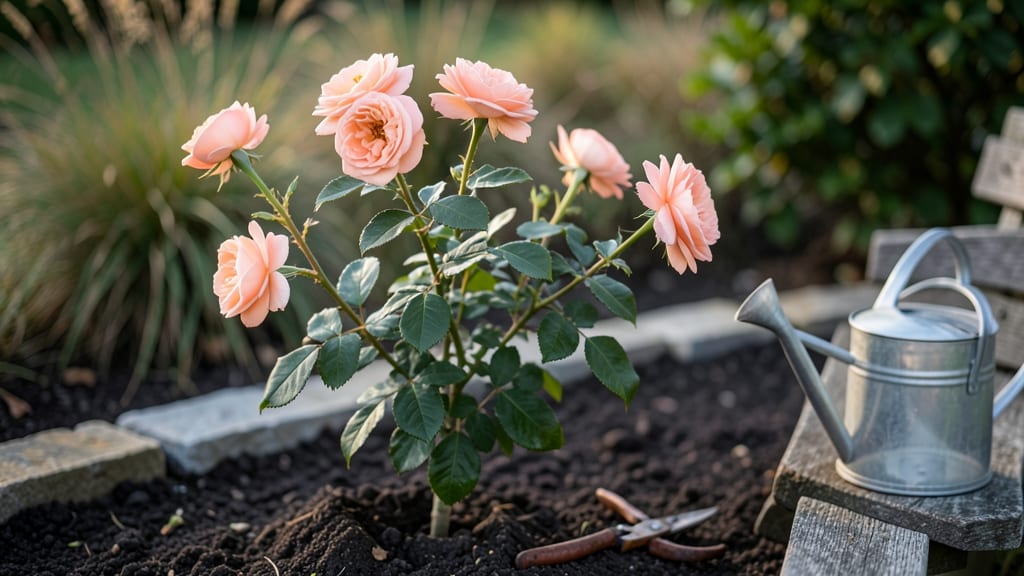
The meaning of a peach rose combines warmth, gratitude, and appreciation, blending the bold romance of red roses with the soft elegance of peach tones to represent heartfelt affection and sincere thanks.
The peach rose's gentle hue sets it apart from classic red roses, making it the perfect choice for expressing appreciation without the intensity of passion. 🌸 Unlike bold red roses that symbolize deep love, peach roses convey warmth and admiration in a more subtle, approachable way—ideal for thank-you gestures or celebrating meaningful connections.
Their color also reflects the joy of gratitude, often used in weddings or anniversaries to honor relationships with a touch of sweetness.
In floral language, peach roses bridge the gap between bold emotions and tender sentiments, offering a versatile symbol that feels both personal and universally understood.
Whether you're gifting them to show appreciation or using them in garden arrangements, their meaning adds depth to any occasion where warmth and gratitude are key.
💡 In This Article
- Peach Rose Color Psychology and Floral Symbolism
- Best Ways to Use Peach Roses in Gardening and Gifting
Peach rose color psychology and floral symbolism
The peach rose's soft, warm hue sits between the boldness of red roses and the delicacy of blush varieties, creating a unique emotional resonance. Color psychology reveals that peach tones evoke feelings of comfort and nostalgia, similar to how warm lighting creates an inviting atmosphere in a room.
Unlike deep red roses that symbolize intense passion, peach roses communicate affection with a gentler touch—perfect for expressing appreciation without overwhelming the recipient.
In floral symbolism, peach roses carry meanings rooted in gratitude and admiration, tracing back to Victorian-era language where colors conveyed specific messages.
The peach hue specifically represents "gratitude" and "sincere thanks," making it ideal for thank-you gestures. 🌸 Historically, roses of this color were used in arrangements to honor teachers, mentors, or colleagues during milestones, blending professional respect with personal warmth.
Their symbolism also connects to "timeless love," though with a softer edge than traditional red roses.
The contrast between peach roses and their red counterparts lies in their emotional temperature—peach conveys warmth without intensity. This makes them perfect for weddings or anniversaries where you want to celebrate love while keeping the tone uplifting rather than dramatic.
The color's association with summer fruits also adds a sensory layer, evoking images of ripe peaches that feel both comforting and joyful—qualities that translate beautifully into floral arrangements.
Culturally, peach roses appear in different contexts worldwide. In Chinese tradition, peach blossoms symbolize luck and prosperity, while Western floral language emphasizes gratitude.
The rose's versatility stems from its ability to adapt—pairing peach roses with deep greenery creates a sophisticated look, while combining them with blush roses softens the overall arrangement. This adaptability mirrors their symbolic flexibility between professional appreciation and personal affection.
What makes peach roses particularly powerful is their ability to communicate complex emotions subtly.
Unlike bold red roses that declare love openly, peach roses whisper appreciation through their gentle color. 💫 This nuance explains why they're popular in corporate settings for employee recognition or in personal gifts where the sender wants to convey warmth without the intensity of passion.
Their meaning becomes even richer when paired with complementary flowers like lavender (for calmness) or yellow roses (for friendship).
Scientifically, the peach color's warmth comes from its specific wavelength—peach sits between red's intensity and yellow's brightness, creating a balanced hue that feels inviting.
This color placement in the spectrum also explains why peach roses appear more approachable in photographs and arrangements, making them visually appealing while maintaining their symbolic depth. The rose's petal texture, with its slight velvety sheen, further enhances this perception of softness and care.